Iran's IRGC Announces Closure of Strait of Hormuz to Ships Linked to "Zionist-American Enemies"
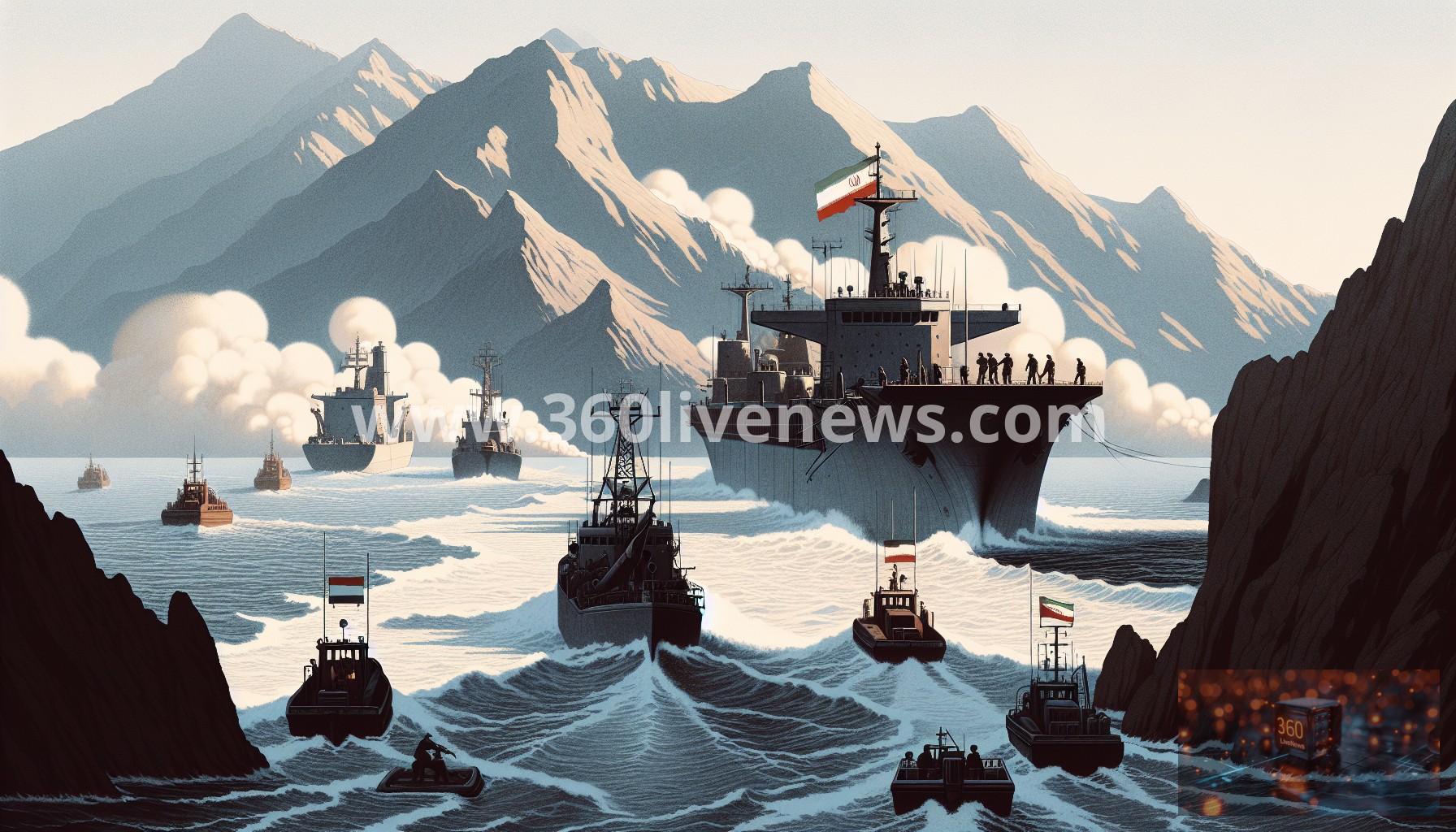
Iran's Islamic Revolutionary Guard Corps (IRGC) has declared the closure of the strategically significant Strait of Hormuz for shipping to and from ports associated with what it terms "Zionist-American enemies." The announcement came on Friday, with the IRGC asserting that three vessels attempting to transit the route were turned back. This action underscores the heightened tensions in the region as Iran enters another day of ongoing conflict with the United States and Israel, creating significant implications for global shipping routes.
The IRGC reported that the ships were intercepted after warnings were issued to their crews. Emphasizing their stance, the military faction stated that any movement of vessels to and from ports associated with allies of the U.S. and Israel would be strictly prohibited. This escalation is in response to what Iran regards as hostile military actions from Israel and the U.S. that have intensified over recent weeks, leading to fears of wider repercussions for international maritime traffic through the strait.
Since the onset of these hostilities, oil prices have seen a surge, impacting the global energy market significantly. Following the announcement of the closure, prices climbed above $100 per barrel, compounding challenges for countries reliant on Iranian oil. The United States and Israel's operations against Iranian targets since late February have intensified the crisis, contributing to supply chain dilemmas intensifying on a global scale.
In addition to its military maneuvers, Iran's foreign policy stance appears to be increasingly aggressive, drawing attention from international observers. The IRGC's warning to civilians in the Middle East to avoid areas near U.S. forces signals a broader strategy aimed at deterring perceived threats while asserting regional dominance. The closure of the Strait of Hormuz is particularly alarming given that approximately 20% of the world's crude oil transits through this narrow waterway.
The situation in Iran is dynamic, with an increasing domestic toll from retaliatory strikes by U.S. and Israeli forces. Reports have emerged of civilian casualties in Tehran, where multiple airstrikes have leveled residential buildings. One harrowing account details a mother pleading for rescue workers to help her daughter trapped under rubble in a destroyed residential district, highlighting the human impact of this deteriorating conflict.
The UK's condemnation of Iran's recent aerial strikes on civilian facilities, including a girls' school in Minab, further complicates the diplomatic landscape. UK Human Rights Ambassador Eleanor Sanders labelled these attacks as war crimes, invoking international humanitarian law. This dual critique from the UK government emphasizes concerns over both Iranian military aggression abroad and its domestic policies that repress civilian protestors, further solidifying perceptions of Iran as a destabilizing actor within the region.
The internal situation in Iran remains tense, not just due to external military conflicts but also internal dissent and government crackdowns on public demonstrations. As international pressure mounts, the Iranian regime appears to be doubling down on its stance, further isolating itself from potential diplomatic resolutions. The humanitarian situation continues to worsen as civilians bear the brunt of the conflict, with numerous families displaced and schools disrupted.
In efforts to navigate rising energy costs without risking further unrest, India has announced significant reductions in fuel taxes. As the third-largest crude oil importer globally, India's response to skyrocketing oil prices reflects the interconnectedness of international conflicts and local economies. Fuel duties were slashed dramatically, indicating the Indian government's resolve to protect its citizens amid the ongoing fallout from the war involving Iran.
Overall, the closure of the Strait of Hormuz is a critical development in the ongoing conflict and regional instability, affecting not just shipping routes but also international relations and markets at large. With oil prices in flux and diplomatic channels strained, the implications of Iran's actions could reverberate well beyond its borders, potentially influencing global politics and economies in the months ahead.
#Iran #StraitOfHormuz #USForeignPolicy #InternationalRelations #USIsraelConflict #EnergyCrisis #Geopolitics #CivilianCasualties
