U.S.-made antitank mines discovered in Iran, escalating regional tensions and raising concerns over military operations
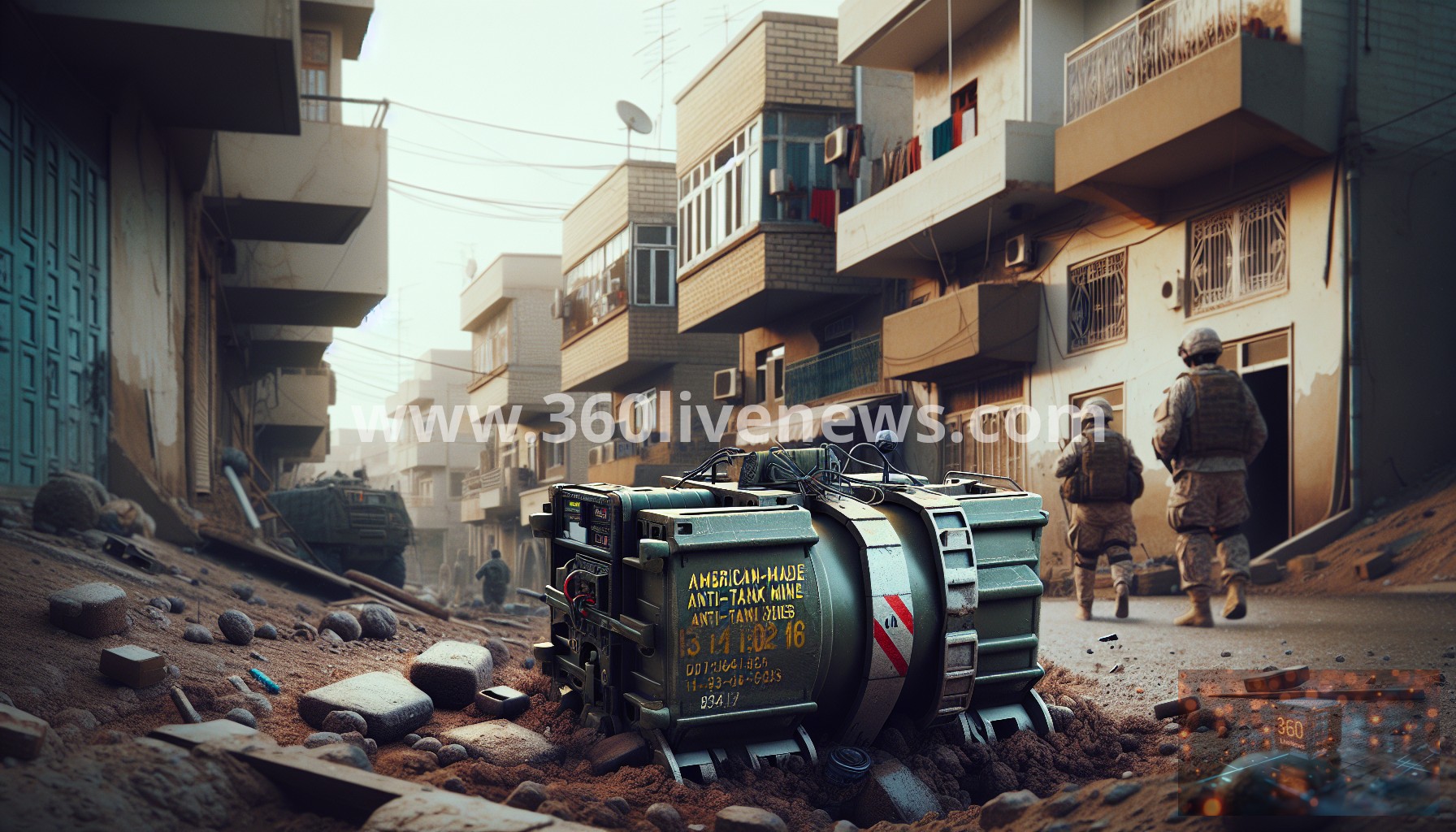
Reports have emerged detailing the discovery of U.S.-made antitank mines in a neighborhood in Iran, a situation that has escalated tensions in a region already fraught with complexities regarding military operations and geopolitical tensions. Photos and video footage verified by The New York Times indicate that these mines were dispersed by cluster bombs, located near a missile site in a village just a few miles away from a prominent military installation. This incident raises significant concerns about both the implications for local residents and the potential ramifications for international relations.
The mines, associated with U.S. military equipment, were found in an area that suggests a deeper issue of military engagement and proxy conflicts involving Iran and its adversaries. The presence of such mines, particularly in civilian areas, poses a dire risk to the safety and security of local populations, potentially leading to casualties among non-combatants. The context in which these mines were discovered is critical; the village’s proximity to a missile site signals the heightened military logistics that often accompany ongoing conflicts.
According to military analysts, the deployment of such mines may be part of a greater strategy to deter adversaries or prepare for potential incursions. The use of cluster bombs, which are banned in many countries under the Convention on Cluster Munitions, raises further legal and ethical questions about war practices and accountability. Experts argue that the discovery necessitates an urgent review of military engagements in the area, emphasizing the need for both humanitarian considerations and diplomatic interventions.
In recent years, Iran has been at the center of various contentious relations with numerous nations, particularly the United States. The geopolitical landscape has been characterized by an ongoing tit-for-tat exchange of hostilities, sanctions, and military posturing, particularly following the re-imposition of sanctions by the U.S. after its withdrawal from the Joint Comprehensive Plan of Action (JCPOA). The finding of these mines provides a tangible representation of the underlying tensions and the lengths to which states may go to secure their strategic interests.
The Iranian government has not yet issued an official response regarding the mine findings. However, it is expected that such an incident will catalyze an outcry from various governmental and non-governmental organizations, demanding accountability for any violations of international law. The potential for an intensifying cycle of retaliatory actions remains a serious concern, placing both regional and global stability at risk.
The presence of antitank mines not only impacts local civilians but also poses a challenge to humanitarian efforts in the region. Organizations involved in mine clearance and victim assistance may find their efforts hampered by the discovery of such military ordnance. The resultant injuries from unexploded ordnance have long-term implications on community health, infrastructure, and stability, creating a cycle of dependency on external humanitarian resources for recovery.
This incident emphasizes the importance of comprehensive diplomatic efforts aimed at stabilizing relations within the region. The need for international cooperation in disarmament and adherence to humanitarian laws is paramount, particularly when civilian safety is at stake. Discussions surrounding the re-engagement of diplomatic channels to address these pressing issues have now come back into focus, as stakeholders consider measures to mitigate potential fallout.
Moreover, the international community's reaction to the discovery will be crucial in shaping future policies and military practices concerning arms proliferation. Policymakers are likely to debate the implications of such findings on foreign military sales and agreements, as well as the broader strategy toward regional threats. The detection of these mines also creates a platform for advocacy around mine awareness and victim support, aiming to alleviate the consequences faced by affected populations.
The occurrence of U.S. antitank mines in a civilian neighborhood in Iran is emblematic of the ongoing volatility and the precarious nature of international relations in the region. Analysts caution that both local and international stakeholders need to remain vigilant and proactive in addressing the humanitarian concerns that arise from military actions, particularly those impacting civilian life. A strategic dialogue must ensue, exploring avenues for peace and stability while recognizing the complexities of military engagements.
#Iran #military #UnitedStates #geopolitics #clusterbombs #humanitarian diplomacy">#diplomacy #mineclearance
