Israeli military reports first missile launch from Yemen amid Houthi threats of response to regional escalation
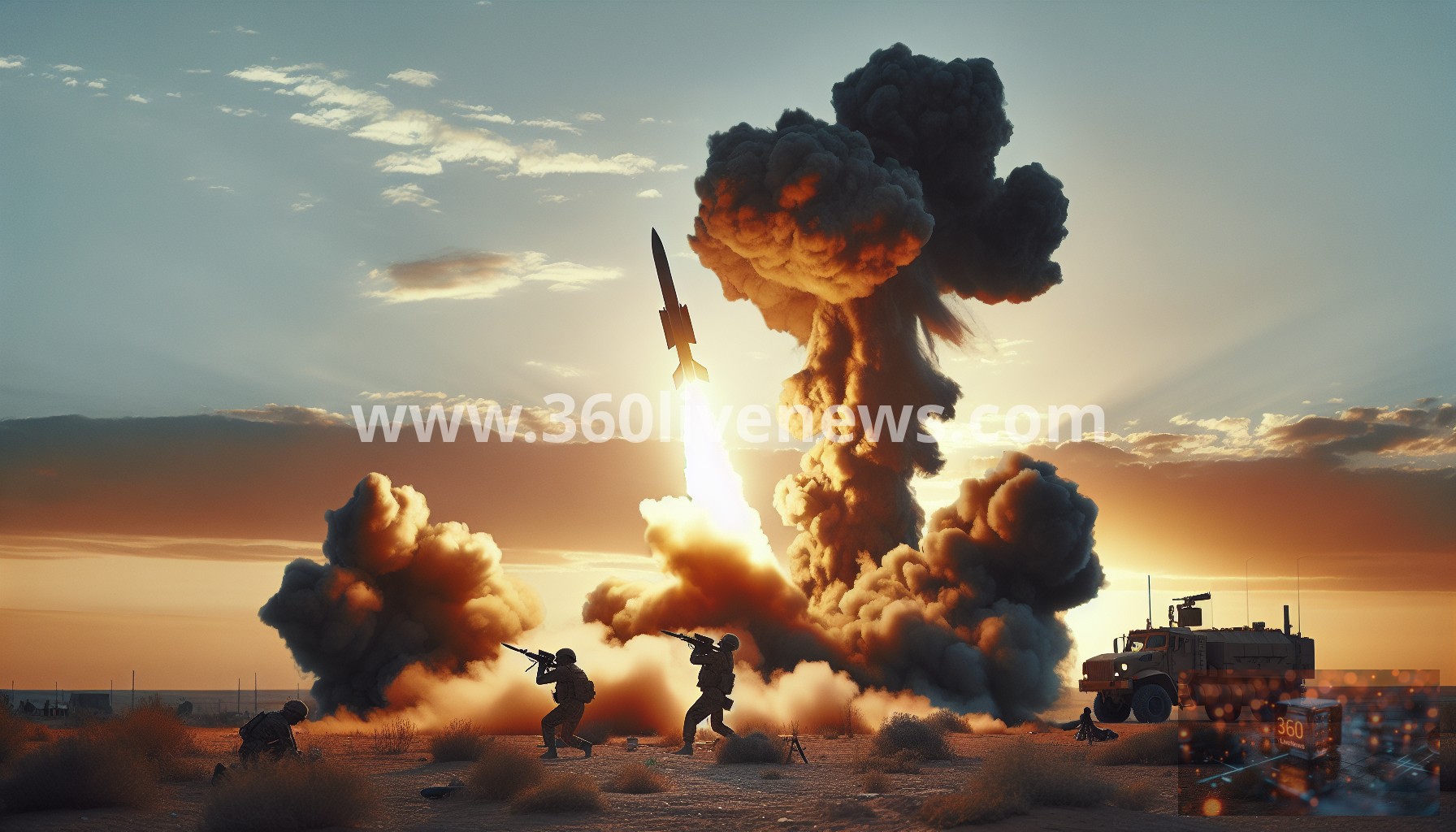
The Israeli military announced this morning that it had identified a missile launch from Yemen, marking the first occurrence of such an event since the onset of the current conflict. This development arrives hours after the Iran-aligned Houthi rebels expressed their readiness to respond to what they describe as an ongoing escalation against Iran and the broader "axis of resistance." The Houthis did not specify the nature of their intended intervention, but their involvement raises concerns about the potential for a wider regional confrontation.
With the Houthis' capability to strike targets beyond Yemen, this incident has significant implications for stability in the Arabian Peninsula and the Red Sea. The group has previously demonstrated its ability to disrupt critical shipping lanes, a tactic employed in support of Hamas following the attacks on Israel earlier this month. This escalation follows a backdrop of intensified conflicts across the region, particularly in light of recent US and Israeli military operations directed at Iranian interests.
In the broader context, the conflict has exacerbated tensions among regional powers, particularly following the US and Israel's operations against Iran over the past four weeks. According to reports, more than 1,937 deaths have been confirmed in Iran alone, with additional casualties among US military personnel in the region. This dramatic development highlights the shifting geopolitical landscape in the Middle East, as alliances are drawn and the risk of further military engagement heightens.
Military analysts have pointed out that the Houthis' missile capabilities could significantly alter the dynamics of the conflict. Their recent threats and actions can be viewed as a response to perceived threats against Iran, their principal backer. The ability to strike targets across national borders not only poses risks to regional security but also raises alarms within international shipping and trade lines vital to the global economy.
Adding to the complexity, the Houthis have joined the fray along with Iran’s other Shi'ite allies located in Lebanon and Iraq. These alliances form a network of influence and power that could challenge US and Israeli military objectives in the region. The Houthis’ recent maneuvers suggest a coordinated approach to counter what they see as aggressive actions from Western-aligned states, making it increasingly difficult for international authorities to navigate peace and stability in the Middle East.
The current situation has also led to renewed discussions among global powers regarding energy security and military preparedness. Energy prices have surged due to ongoing conflicts, and countries reliant on steady oil supplies are feeling the strain. As military actions intensify, the strategic implications for oil-producing nations and those dependent on imports raise concerns about potential disruptions that could ripple through global markets.
US military operations have also seen significant developments, notably with the use of advanced missile technology. State-of-the-art munitions were reportedly used in a recent strike on the Iranian town of Lamerd, resulting in the deaths of at least 21 civilians. This assault underscores the intensity of the ongoing military engagement and the collateral impact on local populations. Centcom has not provided comments on these operations, maintaining a level of secrecy regarding operational capacities and strategies in this volatile region.
As this conflict unfolds, maintaining an awareness of geopolitical shifts becomes critical for stakeholders across the globe. With diplomatic avenues becoming increasingly narrowing, the role of international organizations will be crucial in mediating potential ceasefires and exploring diplomatic off-ramps. Yet, the tenor of rhetoric from involved parties continues to suggest that escalation remains a very real possibility.
In summary, the missile launch from Yemen represents not just a single incident, but a significant upward trajectory in regional hostilities. As military, political, and economic landscapes continue to evolve, understanding the motivations and actions of groups involved, particularly the Houthis, will be essential for forecasting future developments. The coming days and weeks could prove decisive in either exacerbating or alleviating conflict in a region already fraught with tensions.
#Yemen #MissileLaunch #IsraeliMilitary #Houthis #Iran #MiddleEastConflict Geopolitics">#Geopolitics #USMilitary
