Twenty-two migrants confirmed dead after six days at sea near Crete, survivors rescued by Frontex vessel
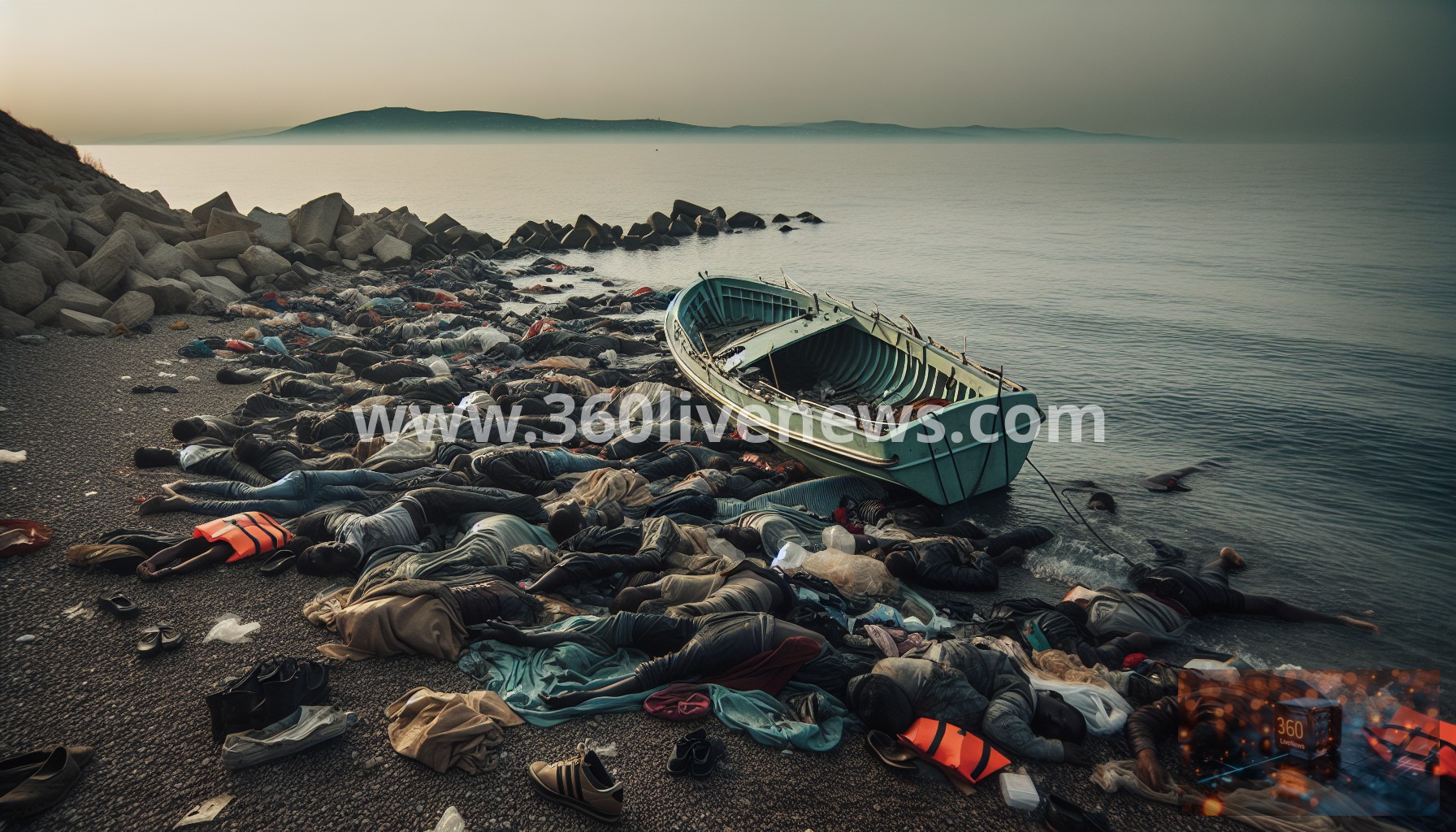
In a harrowing incident off the coast of Greece, twenty-two migrants have been confirmed dead after spending six days at sea in a rubber boat. The tragedy unfolded as survivors were rescued by a vessel from Frontex, the European Border and Coast Guard Agency, near the island of Crete. According to statements made by the survivors to the Greek coastguard, the deceased were reportedly thrown into the sea during the course of their ordeal.
The Greek coastguard confirmed that a total of 26 individuals were rescued, which includes a woman and a minor. The survivors were taken to Crete’s capital, Heraklion, where two were treated for medical issues. Notably, the boat originating from Tobruk, a port city located in eastern Libya, departed on March 21, aiming for Greece,a primary gateway for many migrants seeking asylum in the European Union.
Survivors relayed that the passengers lost their way soon after departure, which resulted in them remaining at sea for an extended period without food or water. The coastguard has cited these critical conditions as a factor that contributed to the deaths on board. The boat’s perilous journey highlights the severe risks faced by migrants seeking refuge in Europe.
This incident is part of a broader and ongoing issue of migration across the Mediterranean, which has seen increased dangers in recent months. As reported by international organizations, numerous migrants undertake perilous sea voyages in search of safety and a chance for a better life, often facing life-threatening situations along the way.
Countries such as Libya have been a focal point, with many boats setting sail from its shores, making the eastern port cities significant hubs for migrant departures. The situation grows more complex amid Libya's ongoing political instability and violence, which further complicates rescue operations and the effectiveness of international humanitarian responses.
The European Union's policies towards migration have drawn significant attention. The Frontex agency, created to enhance cooperation among EU member states on border management, now faces scrutiny regarding its operational strategies in the Mediterranean. Questions arise about whether adequate measures are in place to safeguard migrants and combat human trafficking in the region. Additionally, the EU’s treatment of migrants and asylum seekers has led to ongoing debates about the balance between border security and humanitarian obligations.
Statements from the Greek coastguard indicate an urgent need for better systems to track and assist vessels at risk, as well as increased international cooperation to avoid similar incidents. Various NGOs have advocated for more robust search and rescue operations, underscoring that Europe’s border policies should be aligned with its responsibilities towards human rights.
The timing of this tragedy is particularly poignant as it brings light to the deteriorating conditions faced by thousands who make the journey across the Mediterranean. It is estimated that in recent years, thousands have lost their lives attempting to reach European shores. Hence, the continuous calls for reform within the EU regarding its migration strategy have only intensified following this latest incident.
This recent tragedy not only marks a significant loss of life but also represents a critical moment for action among EU leaders, humanitarian organizations, and political stakeholders. There is a pressing need for comprehensive strategies that not only address border control issues but also prioritize the safety and dignity of those seeking asylum.
#Migrants #Europe #GreekCoastguard #Frontex #AsylumSeekers #Libya #HumanRights #Mediterranean
