Former Prime Minister KP Sharma Oli and ex-Minister Ramesh Lekhak arrested over crackdown on last year's youth protests in Nepal
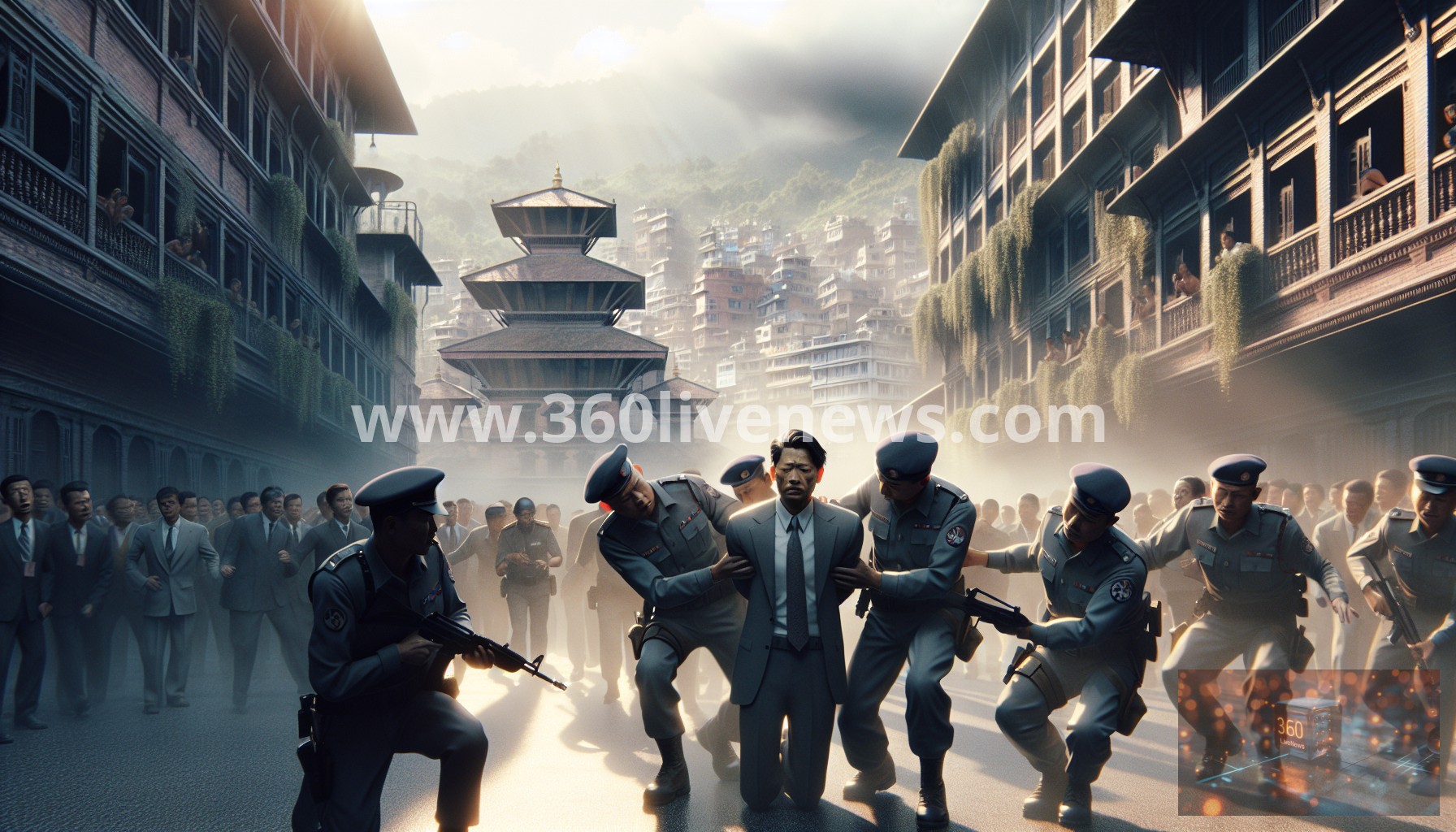
Nepal's political landscape has shifted dramatically with the recent arrests of former Prime Minister KP Sharma Oli and ex-Home Affairs Minister Ramesh Lekhak. Both were taken into custody on allegations related to their roles in a violent crackdown on protests that occurred last year, following public unrest associated with widespread youth demonstrations, commonly referred to as the 'Gen Z protests'. The police action represents a significant escalation in the accountability measures towards previous government officials, marking what some officials describe as the "beginning of justice".
The detentions were announced on Saturday morning by Kathmandu Valley police spokesman Om Adhikari, confirming that the legal process would proceed in accordance with Nepalese law. The arrests occurred just a day after Prime Minister Balendra Shah and his cabinet were sworn into office, following the first elections instigated by the aftermath of the 2025 uprising that led to the downfall of Oli's administration.
KP Sharma Oli, aged 74, was apprehended at his residence located in Bhaktapur, a suburban area of Kathmandu, as confirmed by local media sources. Images following his arrest depict him in a hospital, dressed in white, and escorted by police, indicating the serious nature of the allegations against him. The circumstances surrounding this crackdown have drawn significant attention, particularly as they intersect with the broader narrative of political reform and accountability in Nepal.
The allegations against Oli and Lekhak are rooted in events connected to the protests that unfolded throughout the previous year. These demonstrations, organized primarily by younger citizens advocating for democratic reforms and governmental transparency, culminated in clashes with security forces. The protests began with calls for more governmental accountability and escalated into larger movements demanding the resignation of political leaders perceived as corrupt. Reports indicated several casualties occurred during the protests, reflecting the tension between citizens seeking reforms and authorities attempting to maintain order.
In context, the rising discontent among the Nepali youth can be traced back to systemic issues within the political framework, including perceived political stagnation and the deep-rooted influence of established political elites. Both Oli’s Nepali Communist Party and the broader coalition governance that succeeded him have faced scrutiny for their handling of various socio-economic issues. The recent elections aimed to address these grievances, yet the arrest of key political figures from the previous administration suggests that divisions remain starkly pronounced within the political arena.
The implications of these arrests extend beyond immediate justice; they are emblematic of a potential shift in Nepal's political dynamics. The ruling coalition led by Prime Minister Shah, who comes from a different political background, may leverage this opportunity to distance itself from past misdeeds while solidifying its mandate. Analysts argue that this could lead to a more profound political transformation, especially if the new government can successfully represent the interests of the younger generation that has been instrumental in protesting against the established norms.
From a geopolitical perspective, this internal turmoil may influence Nepal's standing within South Asia. Countries such as India and China, which have historically vied for influence in the Himalayan nation, will likely monitor these developments closely. The handling of internal dissent and governance reforms will not only affect domestic stability but could also determine Nepal's foreign relations and its alignment within regional power dynamics.
In summary, the arrest of former Prime Minister KP Sharma Oli and ex-Home Affairs Minister Ramesh Lekhak marks a pivotal moment for Nepalese politics, suggesting increased scrutiny of government actions and an evolving public demand for accountability. As the new government initiates its tenure, it faces significant challenges to address the concerns that propelled citizens into the streets, alongside the expectations from the international community regarding its political integrity and stability.
#Nepal #Protests #Justice #KPOli #RameshLekhak #Politics #YouthMovement #BalendraShah
