Trial begins in France for 22 defendants linked to alleged crimes of a clandestine masonic lodge operating hit squads
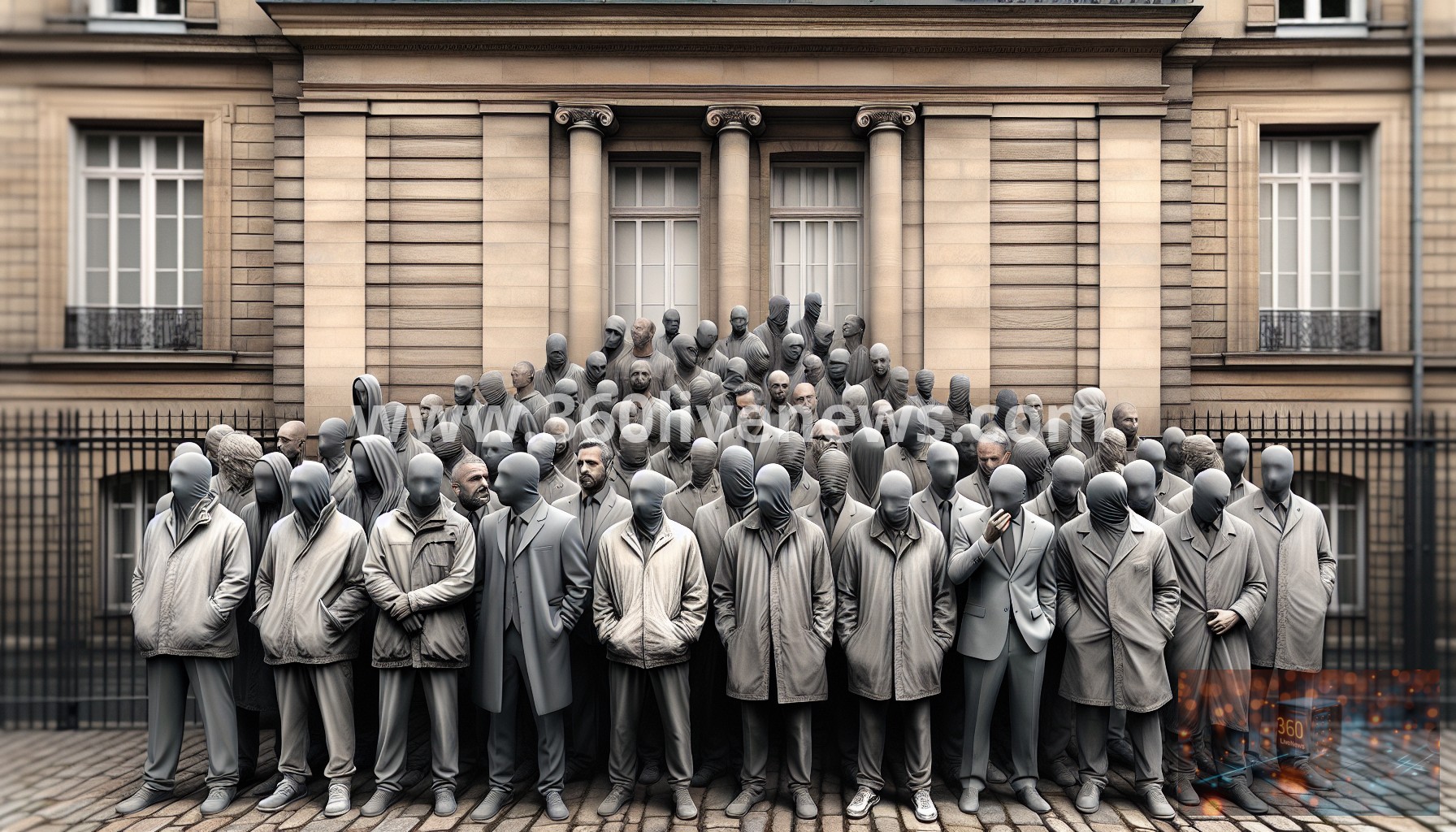
A high-profile trial commenced in France today involving 22 defendants accused of serious crimes associated with a clandestine masonic lodge believed to have operated hit squads. This case is centered around the Athanor lodge located in Puteaux, a suburb of Paris, where prosecutors allege that the group committed murder, attempted murder, aggravated assault, and criminal conspiracy. The trial has garnered significant attention due to the nature of the allegations and the high-profile individuals involved, which include former intelligence agents and police officers.
The charges brought against the defendants, seven of whom could face life sentences, include some of the most severe crimes in the French penal code. Among those accused are Jean-Luc Bagur, Frédéric Vaglio, and Daniel Beaulieu, all pivotal figures in the masonic lodge, alongside Beaulieu’s associate, Sébastien Leroy. The prosecution contends that this group was instrumental in orchestrating violent acts through a network of hired attackers, leveraging their connections and influence within French society to further their criminal activities.
Included in the 22 defendants are officers from France's DGSE, which is France's external intelligence service, as well as police officers and executives from various sectors. Notably, most of the defendants have no prior criminal records, with ages ranging between 30 and 73 years. This aspect raises questions about the hidden layers of influence and organized crime among those sworn to protect and serve.
The accusations center on the claim that the Athanor lodge operated as a hub for a masonic mafia, engaging in illegal activities on behalf of a broader crime network. This element underscores the complexity of the case, as it intertwines aspects of corruption and organized crime within the corridors of power in France, reflecting a potential crisis of trust in public institutions.
The situation presents profound implications for France’s national security and the integrity of its law enforcement agencies. As the trial unfolds, it may expose vulnerabilities within the police and intelligence sectors, with many questioning the extent of masonic influence in societal and governmental structures. The allegations strike at the heart of public service integrity, potentially leading to systemic changes within these institutions if the charges are substantiated.
Previous scandals involving masonic organizations in France have highlighted a long history of suspicion regarding their influence in both political and social spheres. This particular case could reignite discussions surrounding transparency and accountability in public office, as the secretive nature of masonic groups often breeds intrigue and concern among the populace.
The legal framework surrounding organized crime in France allows for stringent penalties against individuals involved in conspiratorial activities. During this trial, prosecutors will aim to prove beyond a reasonable doubt that the defendants actively participated in a conspiracy to commit violent crimes. The strength of the evidence, including testimonies and potentially forensic evidence, will play a critical role in the outcome of the trial.
As the trial continues to gather media attention, it is likely that public interest will remain high, not only regarding the implications for the involved parties but also for the broader effects on public perception of law enforcement and governance in France. Advocacy groups and civil society may start to scrutinize the historical relationship between masonic lodges and state entities, potentially leading to calls for reform and a reevaluation of existing policies.
The trial of these high-profile defendants marks a significant moment for the French judicial system. It raises questions about systemic corruption, the intertwining of power and organized crime, and societal trust in institutions designed to uphold the rule of law. As proceedings unfold, the outcome will not only impact the lives of those on trial but also serve as a potential turning point for France's approach to accountability and transparency within its institutions.
#France #Crime #Trial #Masonic #Justice #Organization #Police #CriminalJustice
