Nuclear Science Advances Efforts to Cut Global Food Waste by Improving Quality Control
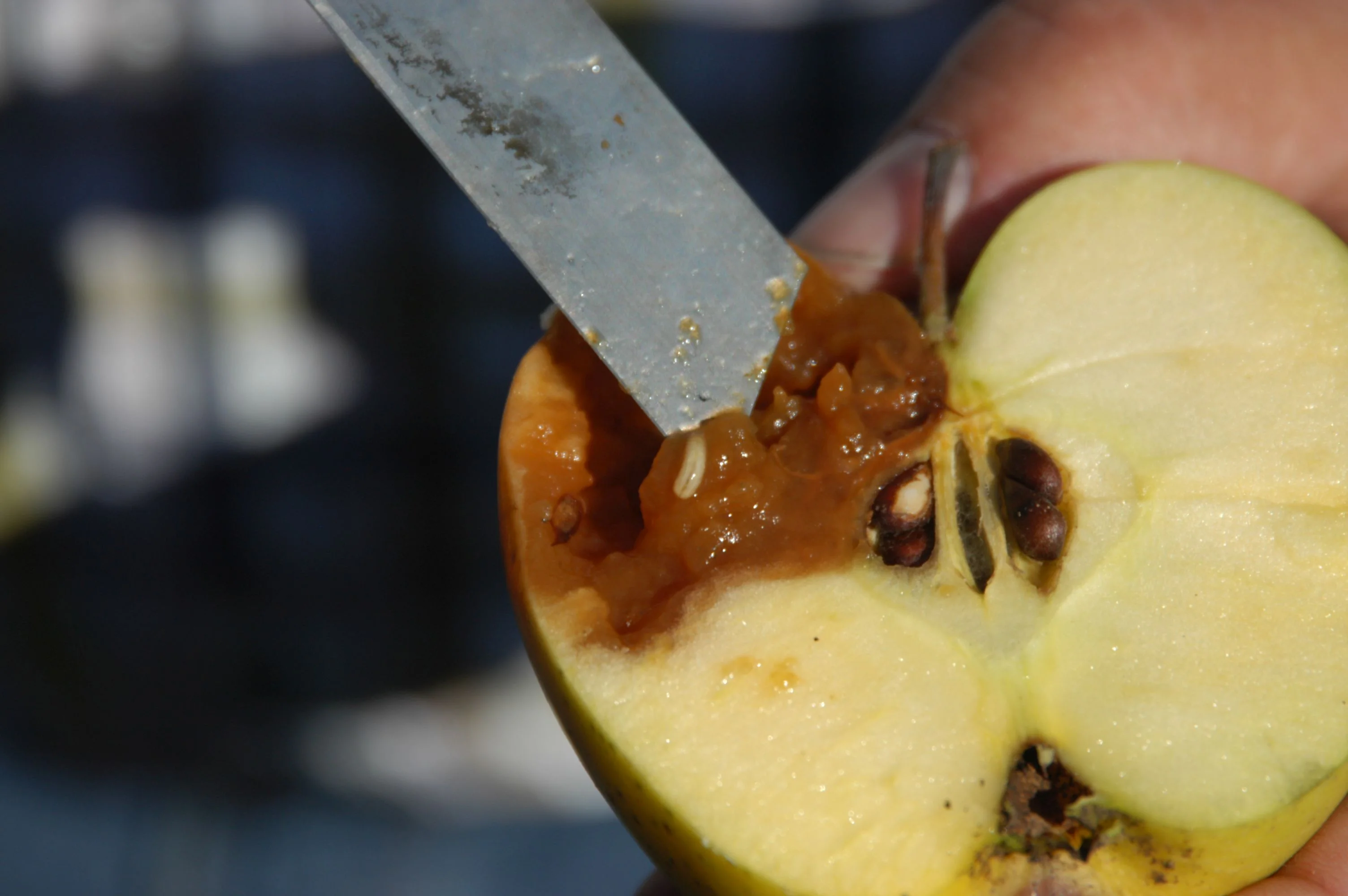
Food waste remains a critical global challenge, with nearly 20% of edible food discarded after reaching consumers and over 13% lost during earlier supply chain stages. This results in an estimated $400 billion in economic losses annually and exacerbates environmental problems such as greenhouse gas emissions, pollution, and biodiversity decline.
To address this, the International Atomic Energy Agency (IAEA), through its Joint FAO/IAEA Centre, employs nuclear science-based solutions to help countries enhance food quality control and safety. These technologies improve the detection and removal of low-quality or damaged produce, such as mandarins during export screenings, reducing the amount of food discarded unnecessarily.
The application of nuclear techniques supports more precise food preservation and contamination monitoring, which can extend shelf life and decrease spoilage. Ultimately, these measures help strengthen food security by minimizing waste, conserving resources, and reducing the environmental footprint of the food industry worldwide.
This approach highlights the potential of combining advanced science with agricultural practices to tackle the urgent problem of food waste impacting economies, communities, and ecosystems across the globe.
