Severe flooding in North Caucasus region of Russia prompts mass evacuations and extensive property damage
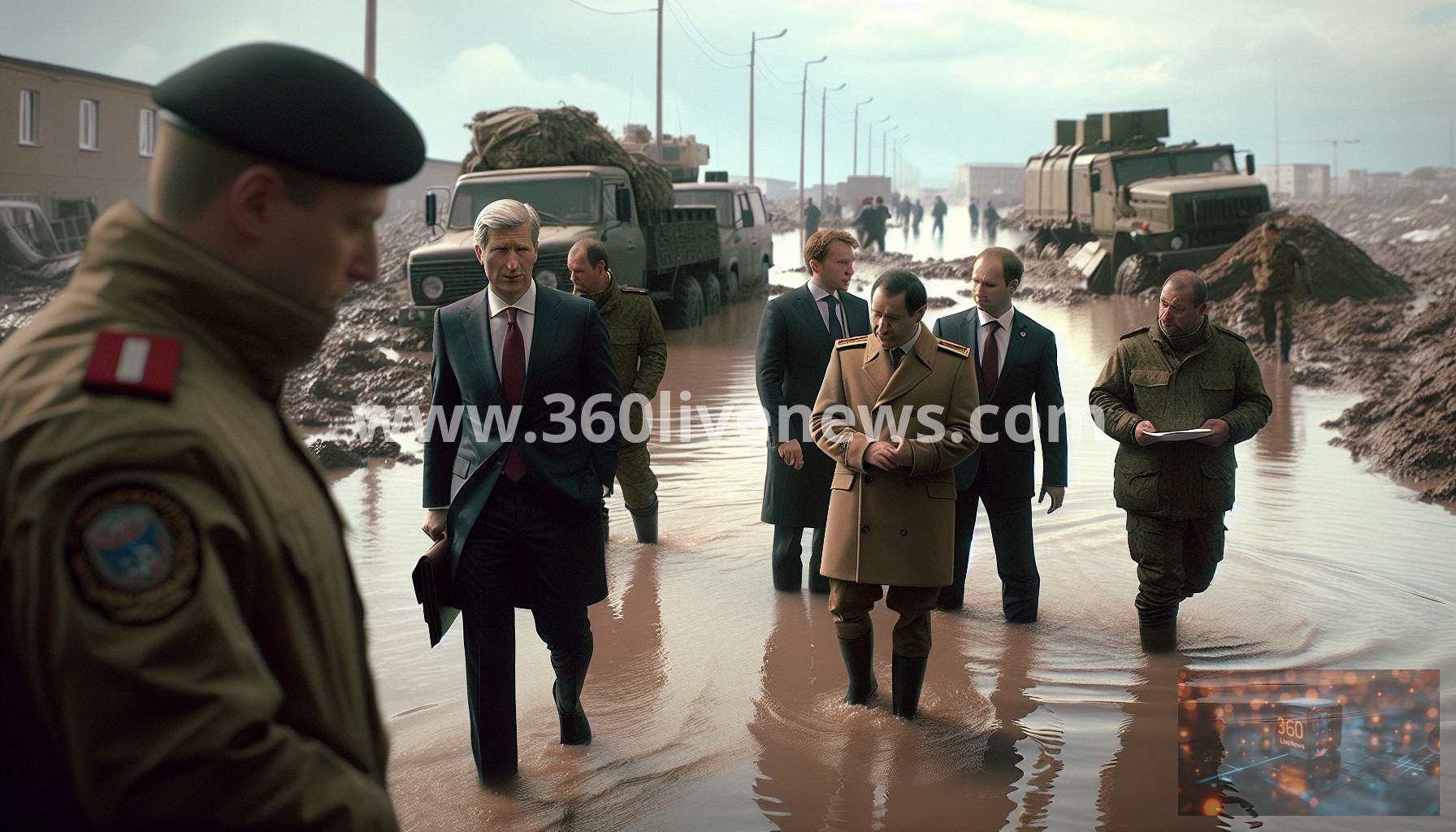
The North Caucasus region of Russia is currently grappling with devastating flooding that has resulted in significant evacuations and extensive property damage. Reports indicate that thousands of residents have been forced to flee their homes as rising waters inundated communities across the area. This situation has escalated quickly, leading to urgent responses from emergency services and government authorities aiming to mitigate the disaster's impact.
As of the latest updates, local officials have confirmed that over 10,000 people have been evacuated from their homes across various regions affected by flooding. The threat level remains high, with authorities monitoring river levels and predicting additional rain that could exacerbate the situation. Emergency services, including units from the Russian Emergency Ministry, have been deployed to assist with evacuations and provide relief to impacted communities. The state of emergency has been declared in several areas to facilitate the response efforts.
Currently, cities like Grozny and the surrounding areas are reported to be among the hardest hit. The flooding began dramatically and has intensified over the past few days, submerging entire neighborhoods. Eyewitness accounts describe chaotic scenes as families scramble to collect essentials before evacuating to safer locations. The civil defense measures are being activated to ensure public safety during this crisis.
In addition to evacuations, officials have noted extensive property damage, with estimates suggesting thousands of buildings have been affected by the floodwaters. As fears grow regarding the potential for landslides and further flooding, Russian authorities are continuously assessing the geographical impact of the disaster. Monitoring operations are being conducted on major rivers in the region, including the Terek River, known for its historically unpredictable flooding patterns. The flood control measures are being reviewed to prevent future occurrences.
The local government, faced with ongoing challenges, has mobilized resources to assist displaced residents. Emergency shelters have been established, providing temporary housing along with food and medical assistance. The situation has compelled various non-governmental organizations and volunteer groups to step in, contributing to the humanitarian response. These collaborations highlight a broader spirit of community solidarity during these trying times, reminiscent of past humanitarian responses to natural disasters.
Concurrently, this environmental crisis unfolds against a backdrop of diplomatic tension in Russia's relations with Western nations. In a separate development, Russia recently expelled a British diplomat due to alleged espionage activities. This incident, reported by the Federal Security Service (FSB), reflects deteriorating relations and has added another layer of complexity to Russia's international standing. The diplomatic relations between Russia and the West are increasingly strained.
Despite these geopolitical challenges, the primary focus for Russian authorities remains addressing the immediate needs arising from the flooding crisis. Emergency response teams are working tirelessly to communicate risk levels to the public and convey essential safety information. This includes warnings about potential health hazards stemming from the contamination of water supplies disrupted by flooding. The public health implications of such disasters are a significant concern.
The situation is evolving, and further updates are anticipated as monitoring continues and rescue efforts are underway. The Russian government has promised assistance to those affected and is exploring the extent of federal aid that may be required in the wake of this disaster. As authorities strive to maintain order in evacuation areas, public safety remains paramount. The federal aid process is being expedited to support recovery efforts.
Officials continue to emphasize that this flood's severity underscores the need for ongoing investment in disaster preparedness and infrastructure resilience. Given the region's history of climatic challenges, lessons learned from previous incidents could inform future disaster response policies, aiding in the development of effective mitigation strategies against flooding. The importance of infrastructure development cannot be overstated in this context.
Russia’s experience with natural disasters like flooding is not new; however, systemic issues related to infrastructure, especially in remote regions, often complicate response efforts. The confluence of governmental pressures and operational limitations could potentially hinder a quicker response. Experts argue for a strengthened disaster response framework to better address both natural and man-made crises in the future. The need for a comprehensive disaster management strategy is critical for effective recovery.
#Russia #Flooding #NorthCaucasus #Emergency #Evacuations #Grozny #DisasterResponse #Geopolitics
