Severe flooding in Afghanistan and Pakistan results in 45 deaths and 74 injuries, damaging hundreds of homes and worsening humanitarian cris
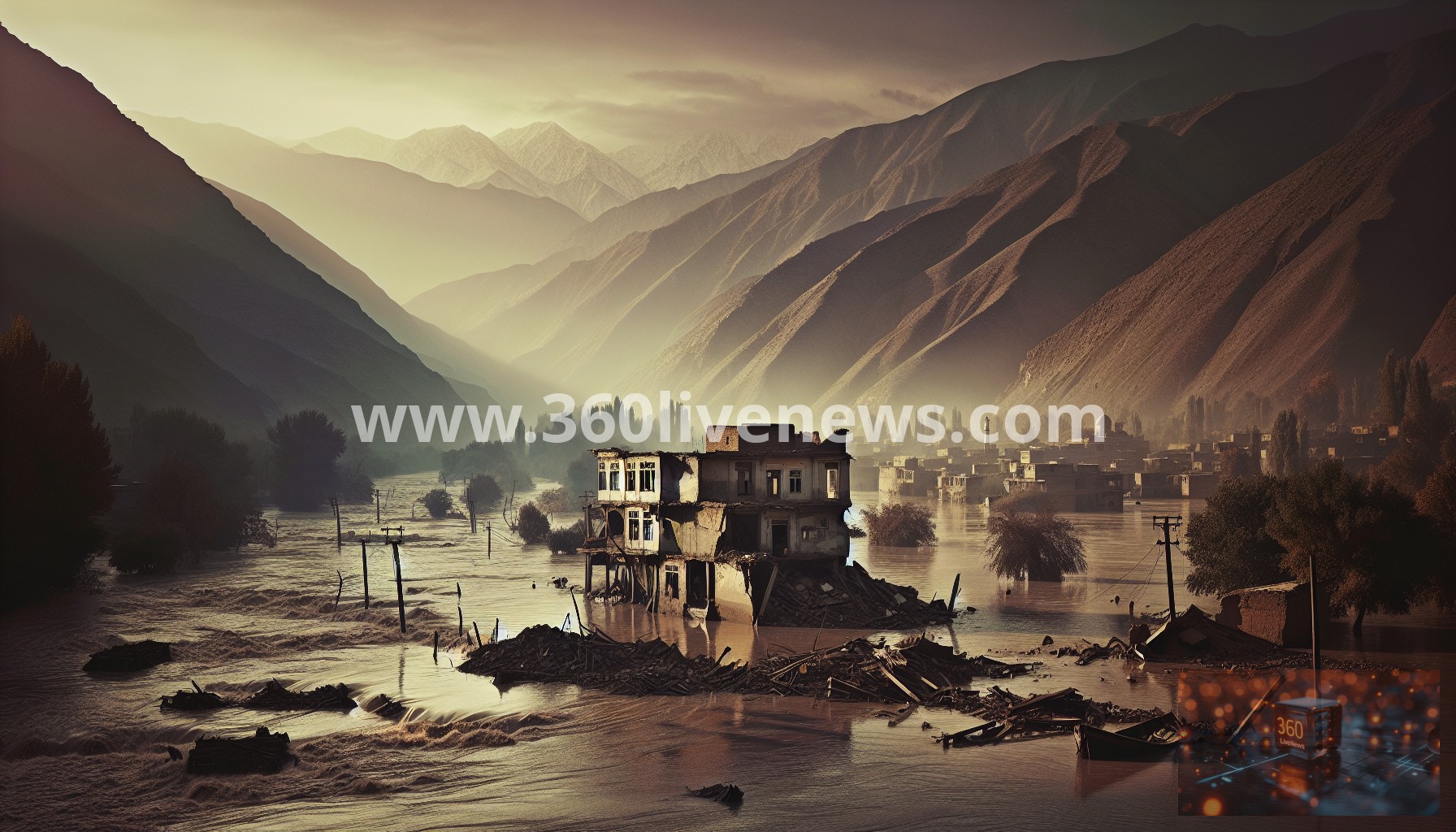
Severe flooding caused by heavy rains has devastated parts of Afghanistan and Pakistan, with a confirmed death toll of 45 individuals and injuries to 74 others over a span of five days. The flooding has resulted in the destruction of hundreds of houses, significantly impacting communities in both countries. Reports indicate that continued adverse weather conditions pose further risks, complicating an already dire humanitarian situation marked by ongoing border tensions between Afghanistan and Pakistan.
The torrential rains have led to catastrophic flooding throughout the region, with both governments placing extensive burdens on their emergency response systems. As floodwaters inundate residential areas, the Afghan capital, Kabul, is also bracing for continuous threats posed by the ongoing inclement weather. Despite the severity of these conditions, border clashes between Afghan and Pakistani forces persist, exacerbating an already complex humanitarian crisis.
The United Nations has categorized Afghanistan and Pakistan among the most vulnerable nations to extreme weather and climate change. This classification underscores the dire need for robust climate adaptation strategies as both countries frequently experience extreme weather phenomena. The impact of climate change has become increasingly evident, with communities suffering from infrastructure damage, loss of life, and the displacement of families due to such climatic events.
Local authorities in both Pakistan and Afghanistan are working to assess the damage and offer assistance to those affected by the flooding. Rescue operations are complicated by the ongoing conflict and the risk of landslides in affected areas. In previous incidents, the government response has been hampered by logistical challenges and insufficient resources, raising concerns about the capacity to effectively manage the current crisis.
In light of the flooding, humanitarian organizations are appealing for urgent aid to support displaced populations and provide immediate relief to those in need. The flooding not only poses immediate dangers through loss of life and injury but also has long-term implications for food security and health resources in the region. As assessments are ongoing, the need for international assistance to respond to both the flooding and the repercussions of ongoing violence in the region has been emphasized.
The economic framework within which these crises unfold remains fraught with challenges. Both countries are grappling with high rates of poverty and limited access to health care and emergency services, which are critically undermined in times of disaster. Moreover, the geopolitical landscape is complicated, as both nations face ongoing tensions which can distract from cooperative disaster response efforts. These dynamics highlight the intricate overlap between environmental vulnerability and socio-political stability in the region.
The historical context of relationships between Afghanistan and Pakistan has often been marked by conflict, particularly on border issues. The Durand Line, which serves as the international border, has been a source of contention for decades. This dispute complicates collaborative efforts necessary in times of disaster, illustrated starkly by the current scenario where both nations are distracted by ongoing military provocations. As local governments remain engaged in conflict, the need for cooperative flood management strategies becomes increasingly crucial.
Flood management requires an organized and unified approach not only within affected nations but also among international partners. There are calls for improved disaster response frameworks that integrate climate resilience and international cooperation to enable timely and effective interventions during catastrophes. Without significant changes in cooperative governance, both Afghanistan and Pakistan may continue to face growing humanitarian crises exacerbated by climate change and ongoing military confrontations.
#Afghanistan #Pakistan #Flooding #ClimateChange #HumanitarianCrisis #UN #BorderConflict #EmergencyResponse
