Indigenous leaders in Vanuatu raise concerns over Royal Caribbean's private beach club plans on Lelepa Island
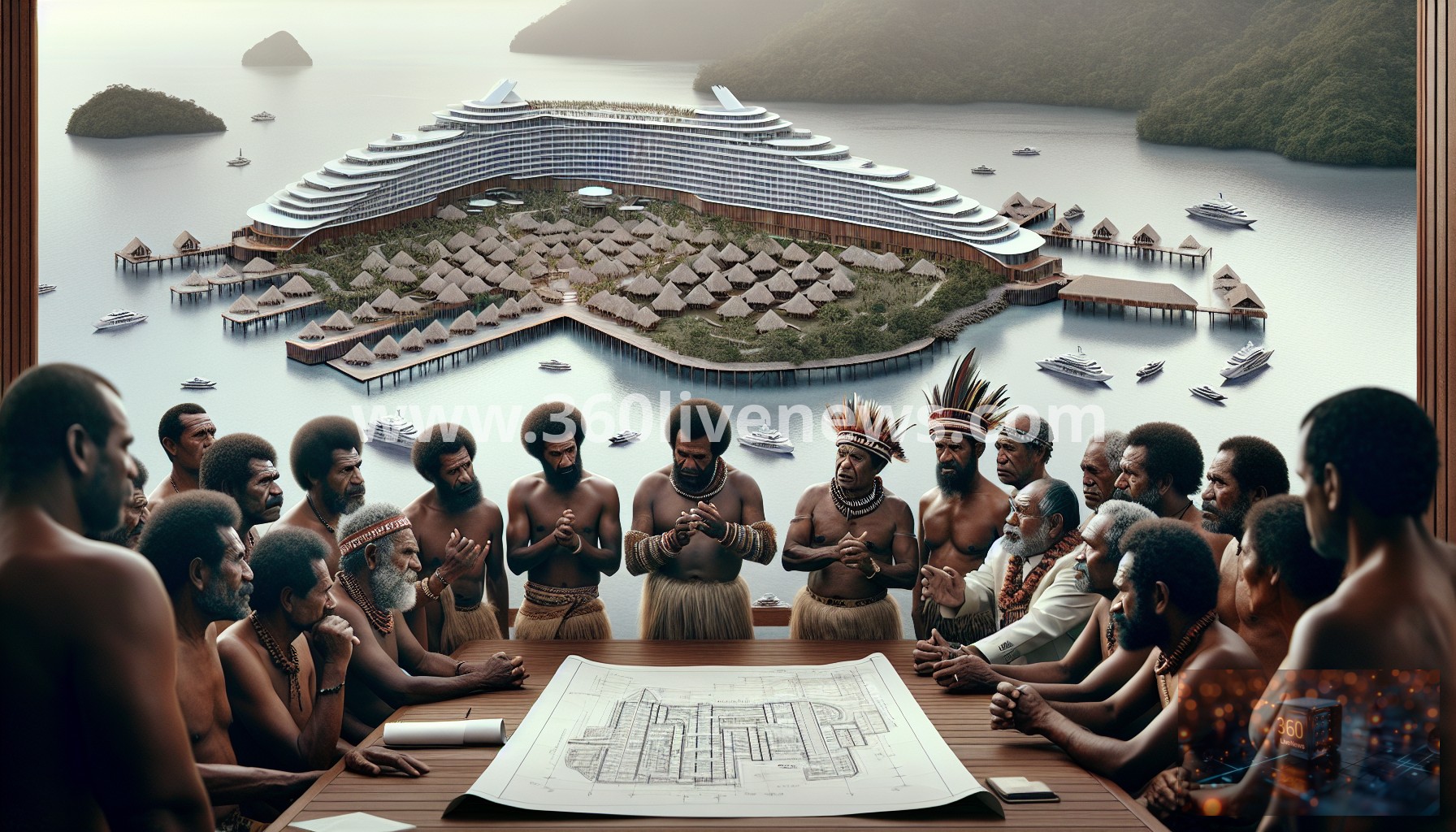
Indigenous leaders in Vanuatu have expressed serious concerns regarding plans by cruise operator Royal Caribbean to develop a private beach club on Lelepa Island. The community leaders argue that environmental impact assessments conducted by the company are “incomplete” and “misleading.” They assert that the proposed development poses a significant threat to the local ecosystems and a nearby UNESCO World Heritage site. The matter was formally raised in a letter sent to Royal Caribbean on 26 February.
The planned resort on Lelepa Island, which spans roughly 5 kilometers and is home to approximately 500 residents, is designed to cater to up to 5,000 visitors daily. Royal Caribbean aims to open the resort in 2027, intending to offer cruise passengers from Australia an exclusive destination during tours of the Pacific region. Promotional materials from the company have indicated that the project will support extensive facilities including ten bars and two eateries, complemented by two private beach resorts, one of which will be designated as an adults-only area.
The ongoing concerns from community leaders center around the potential environmental fallout from the development. They highlight the fragility of the island’s ecosystems, which play a crucial role in local biodiversity and are integral to the livelihood of the indigenous population. The local leadership contends that the area designated for the resort faces risks that could adversely affect not only the residents but also the ecological balance that sustains various species native to Vanuatu.
Royal Caribbean's plans include significant leasing arrangements on the island, raising questions about land rights and the economic implications for the local community. There is recognition among community members that while tourism can offer revenue and job opportunities, it must not come at the expense of the environment or the welfare of indigenous populations.
In earlier phases of this situation, local stakeholders have called for more transparency from the cruise industry, demanding thorough studies and consultations before any construction begins. The residents want assurances that their voices are heard and respected in decisions that directly affect their land and livelihoods. They argue that any development must align with a sustainable approach, preserving the cultural and environmental integrity of Vanuatu.
This situation is reflective of broader tensions around development and indigenous rights, which have emerged globally as tourism industries expand. The challenge of balancing economic growth with environmental stewardship and cultural preservation is critical, especially in vulnerable regions like the South Pacific. The position taken by the Vanuatu leaders echoes similar calls from indigenous groups worldwide, who are increasingly advocating for greater say in land and resource management.
The matter takes on heightened significance against the backdrop of the global tourism sector’s recovery following pandemic disruptions. As companies like Royal Caribbean seek to expand their reach and offerings, the balance between profitability and ethical responsibility to local communities is under scrutiny. The developments on Lelepa Island could set a precedent for how such projects are handled in the future, influencing policies and corporate practices in environmental assessments and community engagement.
The leaders of the indigenous communities are not just defending their land; they are also emphasizing their right to self-determination in a rapidly evolving economic landscape. They express a desire for partnerships that prioritize local needs and sustainability rather than purely corporate interests. Engaging meaningfully with the concerns expressed could foster a model of development that honors both the natural environment and the cultural heritage of the indigenous people.
The situation continues to develop, as community leaders await a response to their letter and hope for a dialog with Royal Caribbean over their environmental concerns. The outcome will likely be closely monitored by other indigenous groups and environmental advocates as a demonstration of corporate accountability and indigenous rights in the arena of tourism development. The future trajectory of this project remains uncertain as it confronts mounting criticism and community activism.
#Vanuatu #RoyalCaribbean #CruiseTourism #IndigenousRights #EnvironmentalImpact #UNESCO #SustainableDevelopment #LelepaIsland
