Martina and Ammi Burke arrested for contempt of court at Castlerea Prison while attempting to visit Enoch Burke
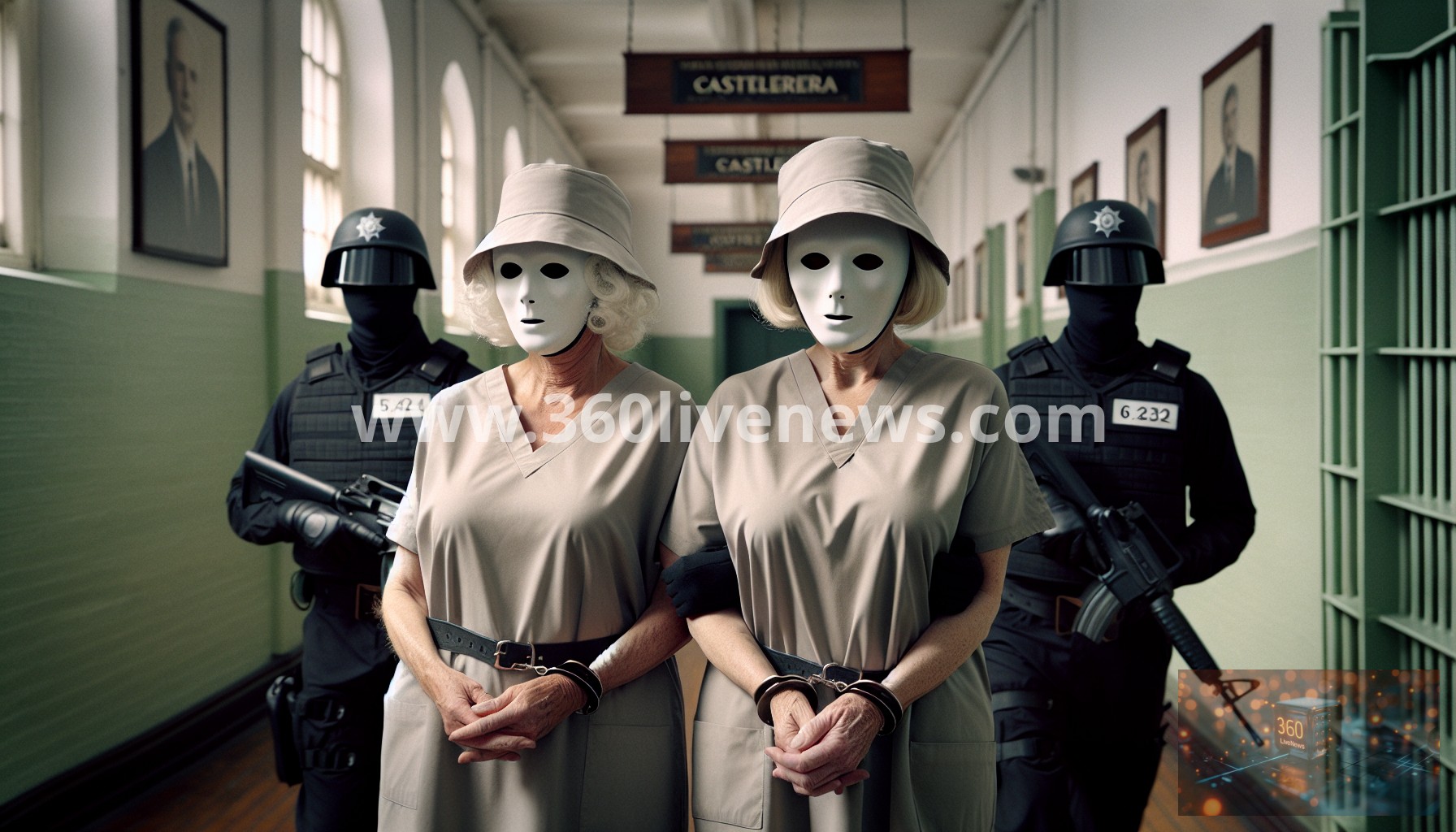
In a significant legal development, Martina and Ammi Burke have been taken into custody on the orders of the High Court in County Roscommon. The arrest occurred at Castlerea Prison this afternoon as they attempted to visit Enoch Burke, who is also incarcerated at the facility. The High Court had issued a committal order for both women, citing contempt of court as the underlying reason for their detention.
Martina Burke, the mother of Enoch, and her daughter Ammi were reportedly accompanied by Sean Burke, Enoch's father, during their visit. The circumstances surrounding the contempt charges are linked to ongoing legal matters involving Enoch Burke, a teacher previously in the spotlight due to his refusal to adhere to school policies regarding gender identity issues. Enoch's case has generated substantial public interest and mobilized various support groups over the past months. The outcomes of this latest arrest are expected to further fuel public dialogue surrounding the contentious issues of educational policies and legal governance in Ireland.
Martina and Ammi’s arrest is emblematic of rising tensions in the Irish legal system where court orders against family members of individuals involved in high-profile legal disputes become a focal point of contention. The High Court’s decision to order their arrest underscores the judiciary's determination to uphold its earlier rulings while setting a precedent concerning the accountability of those who defy court directives. The specifics of the contempt charges remain undisclosed, yet it highlights a concerning intersection between education, personal beliefs, and the rule of law.
The family’s legal troubles have roots in what has been described as a pivotal case regarding the balance of rights in educational settings. Enoch Burke's case has involved issues of personal conviction versus institutional policy, accentuating the quagmire of legal precedents in case law concerning freedom of speech and education. These elements contribute significantly to the broader conversation about how human rights are interpreted within the context of educational institutions. The evolving landscape of legal interpretation regarding such rights has created an environment ripe with potential conflicts and demands for clarity from several stakeholders.
Furthermore, this situation unfolds against the backdrop of a legal framework that includes the roles of various institutions such as the High Court of Ireland. The court’s decisions carry significant weight in shaping future complexities around rights in education and other areas of public life. Previously, similar controversies have led to calls for reforms within the education system, propelling advocates to seek more explicit laws defining the boundaries of rights for both educators and students.
This episode also serves to reiterate the critical functions of the Council of State, which recently made notable appointments that may influence such legal discussions. The Council comprises key figures, including prominent legal scholars and civil rights advocates, and plays a significant advisory role on constitutional matters. With recent appointments made by President Catherine Connolly, involving individuals with diverse legal expertise such as Linda Ervine, the Council's influence may soon intersect with the ongoing developments regarding educational policy and rights.
The unfolding narrative surrounding the Burkes reflects longstanding political and societal tensions in Ireland, particularly regarding how policies interface with personal beliefs and rights. As public opinion swells surrounding the Burkes’ case, community discussions have intensified around the implications of legal actions taken against family members, which raises critical questions about the limits of institutional power.
Public reaction has also been charged, with supporters expressing solidarity with Enoch and his family, framing the situation as a broader struggle against perceived injustices in the educational system. This perspective has spurred protests and public forums aimed at addressing these conflicts and pushing for systemic changes that adequately protect individual rights without undermining institutional integrity.
As the situation develops, legal experts are closely monitoring the ramifications of these arrests, particularly their potential impact on future court decisions and the evolving relationship between individual rights and the governance of educational institutions. The Burkes’ case stands at the intersection of personal conviction and legal obligation, underscoring the delicate balance the courts must strike in navigating these treacherous waters.
#Ireland #Legal #Education #Rights #CouncilofState #EnochBurke #HighCourt #MartinaBurke #AmmiBurke
