Russian-flagged tanker delivers 730,000 barrels of oil to Cuba amid ongoing energy shortages
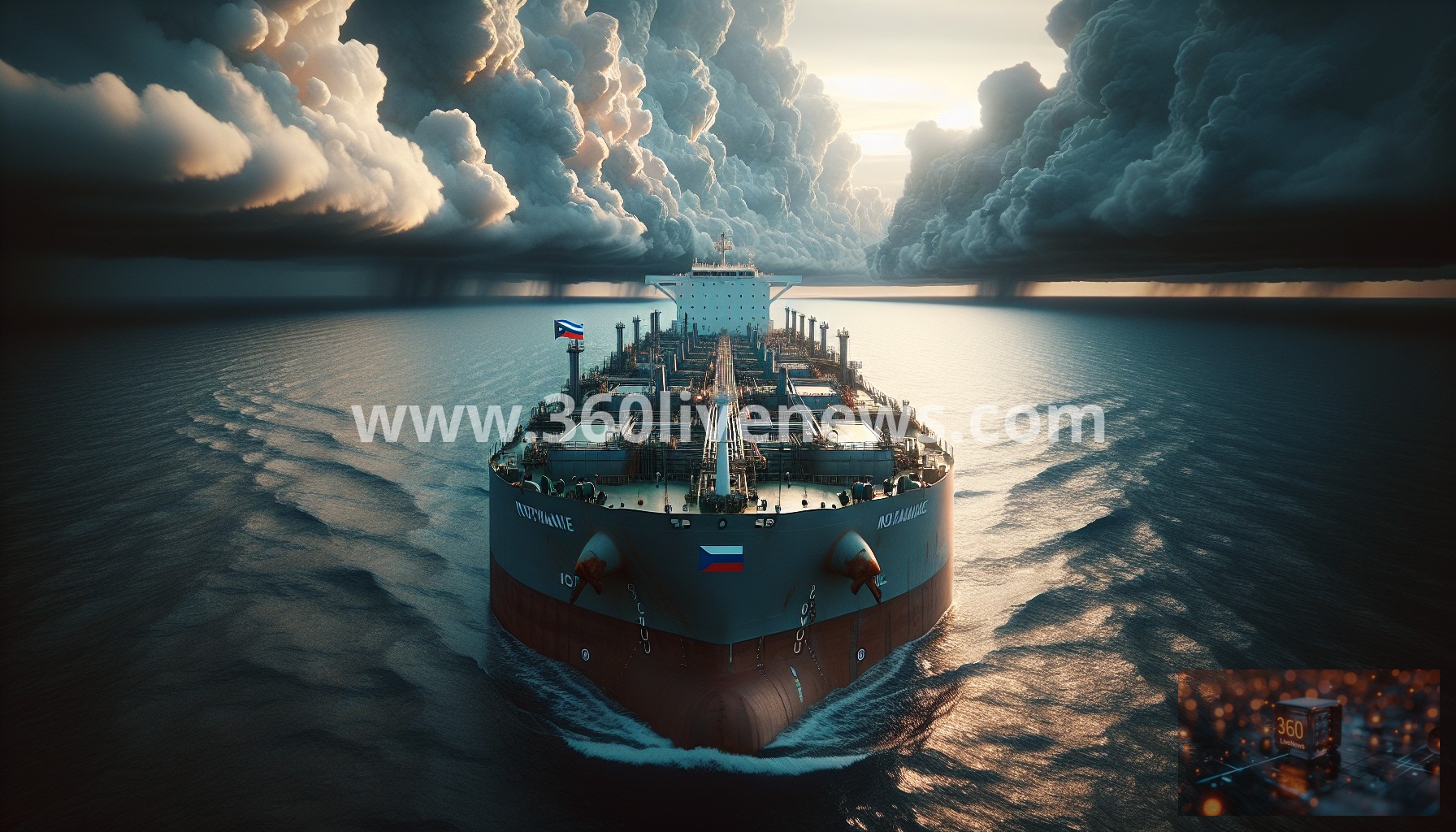
A Russian-flagged tanker has successfully delivered 730,000 barrels of oil to Cuba, marking a significant moment in the nation’s recent struggle with an energy blockade. The tanker, named Anatoly Kolodkin, arrived at the Bay of Matanzas, Cuba’s largest supertanker and fuel storage port, early on a Tuesday morning after spending three months without any oil deliveries. The arrival of this vessel is the first such delivery to Cuba in three months, providing enough fuel to meet the island's energy needs for up to ten days, a much-needed relief for a nation grappling with serious energy shortages.
This operation unfolds within the context of an ongoing U.S. energy blockade imposed on Cuba. The United States administration, under President Donald Trump, allowed the tanker to dock in accordance with humanitarian exceptions to the sanctions. The blockade, which began affecting Cuba severely in January, has disrupted various sectors, particularly tourism, further exacerbating the country’s economic difficulties.
As the U.S. Navy base at Guantanamo Bay is located near the docking site, the arrival of the Anatoly Kolodkin was notable. The tanker could only reach the island after navigating through territorial waters that are often monitored under strict sanctions. Given these circumstances, its arrival is perceived as both a logistical success for Russia and a crucial relief effort for the Cuban citizens facing ongoing blackouts and energy crises.
Reports indicate that conditions on the island are dire, with many regions, including the majority of the Cuban population, experiencing power outages that disrupt everyday life. In the city of Havana, taxi driver Rainier Hernandez expressed the impact of the blockade on the tourism sector. Once thriving with visitors attracted by Cuba's vibrant culture and beautiful landscapes, tourism-reliant workers like Hernandez are suffering significantly. Faced with a de facto shutdown of the tourism industry, Hernandez noted that he has gone from working hours a day to just a couple, reliant on a dwindling flow of tourist dollars.
This delivery has broader implications as well. The blocked supplies have affected vital sectors of the economy, as food and other necessities have become increasingly scarce. Economically, Cuba's reliance on tourism and the hospitality industry means that such blockades drastically affect the livelihoods of thousands of Cubans. Experts argue that the blockade's prolonged duration has not only financial implications but also humanitarian consequences, with many citizens left struggling to cope with scarcity.
The United States' decision to permit this delivery also raises questions about the ability of external nations to intervene in a way that directly affects the humanitarian situation in Cuba. The diplomatic tensions surrounding U.S.-Cuba relations are intricate; while the blockade is framed as a measure against the Cuban government's policies, many advocate for a reassessment of these policies to address the humanitarian challenges arising from such sanctions.
The decision to allow the Anatoly Kolodkin to dock may be viewed as an isolated occurrence or a sign of potential shifts in U.S. policy towards Cuba, albeit influenced by exigent humanitarian needs. As of now, Cuba seems to be in a precarious position, balancing between the impacts of foreign sanctions and internal economic challenges, calling for careful monitoring of subsequent developments.
In summary, the arrival of the tanker has temporarily alleviated some of the immediate energy shortages faced by Cuba and has sparked additional discourse on the impact of international sanctions on ordinary citizens. As the situation develops, the international community remains watchful, balancing on the thin line between geopolitical interests and humanitarian obligations.
#Cuba #Energy #Russia #Tanker #Oil #Blockade #Tourism #Guantanamo
