Freelance journalist Shelly Kittleson kidnapped in Baghdad as authorities launch search efforts
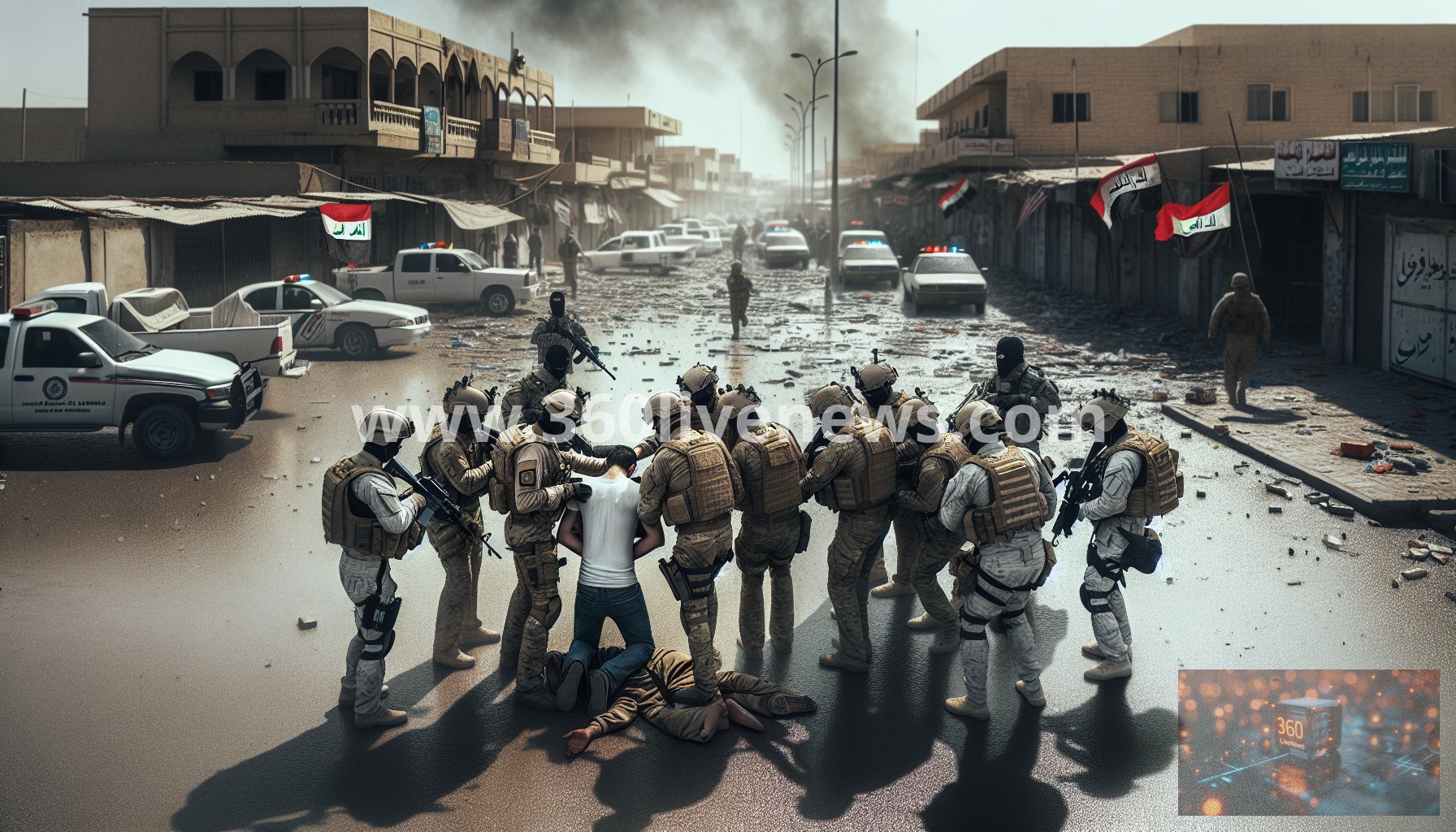
American freelance journalist Shelly Kittleson has been kidnapped in broad daylight in Baghdad, with Iraq’s interior ministry announcing that authorities are conducting a high-level search for the 49-year-old. Kittleson’s abduction represents a troubling incident, underscoring the ongoing risks that journalists face in conflict zones, particularly in Iraq, which has a history of violence against media personnel.
This incident has drawn immediate attention and concern from various quarters. The interior ministry has not disclosed specific details regarding the circumstances of her kidnapping or if there were any witnesses at the scene. High-ranking officials have pledged a thorough investigation into the matter, expanding search efforts across the capital amid fears for her safety.
As confirmed reports continue to develop, this event is an inflection point in a broader context of media safety in Iraq. Freelance journalists, including Kittleson, often operate in precarious environments, particularly in regions still feeling the aftershocks of years of conflict and instability following the 2003 invasion. The country has seen a shift in the political landscape over the years; however, risks to journalists remain heightened due to existing sectarian tensions and criminal activity.
This kidnapping is also reflective of previous incidents where journalists were targeted, either by militant groups or through criminal acts. Since the rise of groups such as ISIS, numerous cases of journalist abductions and attacks have been documented, highlighting the need for enhanced security measures and international support for press freedom. The international community is now watching closely to see how local authorities respond to this crisis.
Moreover, the ramifications of Kittleson's kidnapping extend beyond immediate safety concerns. It spotlights the ongoing challenges that media professionals encounter in an era where misinformation and attacks on press freedom are rampant. Organizations advocating for journalists’ rights have reiterated the importance of supporting media personnel operating in hostile environments, indicative of Iraq’s broader struggles with governing safety and rule of law.
The implications of this incident resonate globally, particularly among international journalism networks. Many organizations may step up calls for action and demand accountability from the Iraqi government regarding the security of journalists. Furthermore, the potential for heightened government scrutiny and policing as a reaction to this incident is likely, although it remains to be seen whether such measures will be effective in securing safety and preventing future abductions.
Institutions focused on journalistic freedom, such as the Committee to Protect Journalists (CPJ) and Reporters Without Borders, often document incidents like these as part of their efforts to push for better protections and safety protocols for journalists in conflict zones. They are poised to respond to the developments surrounding Kittleson’s case, advocating for her immediate release and further measures to protect others in the field.
In conclusion, the kidnapping of Shelly Kittleson serves as a stark reminder of the dangers facing journalists in Iraq and similar regions. As authorities work to locate her, the incident will likely generate conversations surrounding journalist safety, media freedom, and the responsibilities of the state to ensure security for those who are often at the front lines of reporting critical stories.
#Journalism #Iraq #Kidnapping #MediaFreedom #ShellyKittleson #JournalistSafety #CPJ #PressFreedom
