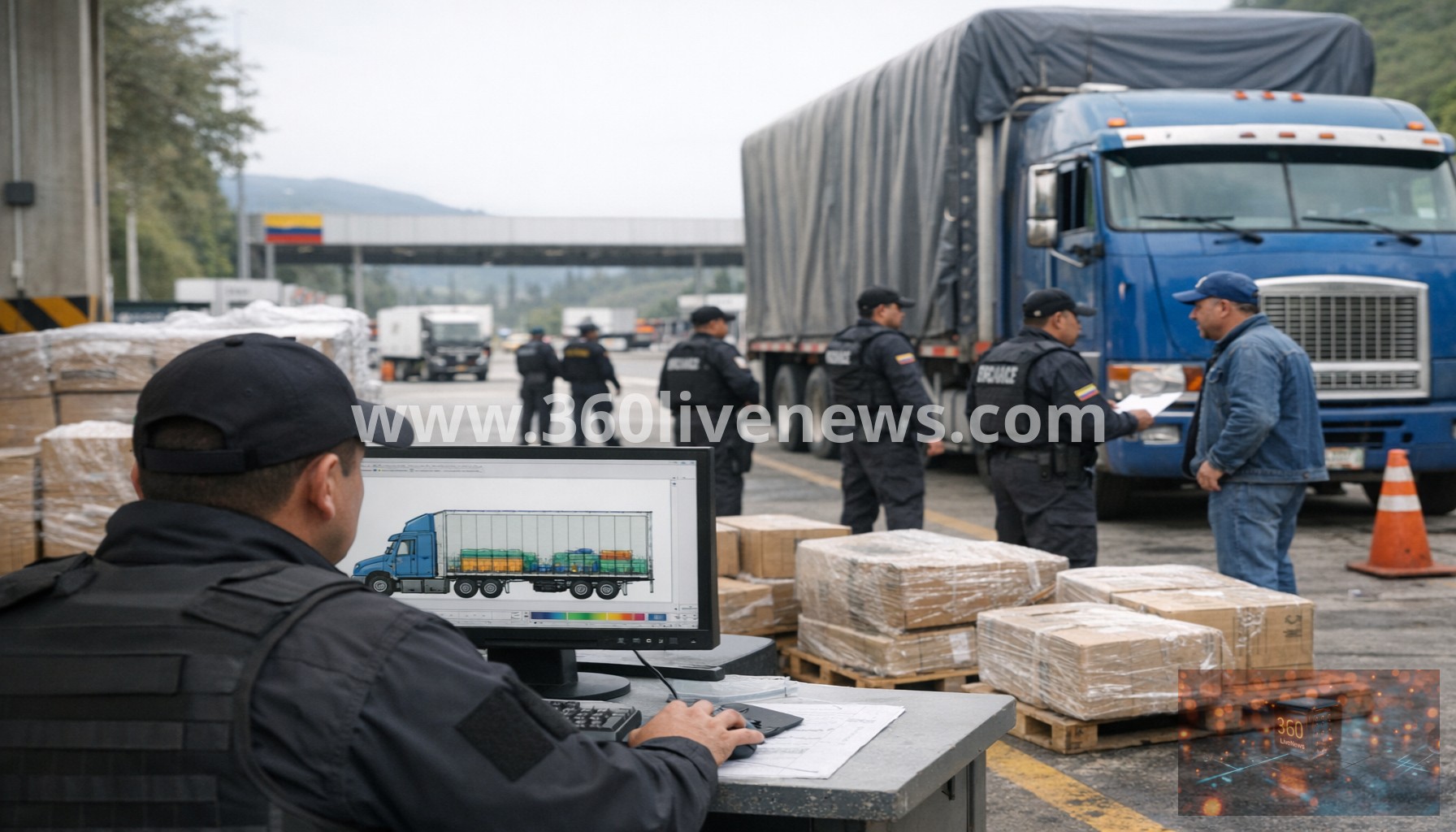

Ecuador to raise tariffs on Colombian imports to 100 percent starting May 1 amid rising tensions over drug trafficking and border security
The government of Ecuador, led by President Daniel Noboa, has announced a significant increase in tariffs on imports from Colombia, raising them to 100 percent starting May 1. This decision represents a dramatic escalation in the ongoing tensions between the two neighboring countries, primarily revolving around issues of drug trafficking and border security. The move was officially confirmed in a statement issued by Ecuador’s Ministry of Production. In the statement, the ministry accused Colombia, under President Gustavo Petro, of not taking adequate measures to combat drug trafficking effectively. "After noting the lack of implementation of concrete and effective measures regarding... [Continue Reading]
 360LiveNews | 10 Apr 2026 01:16
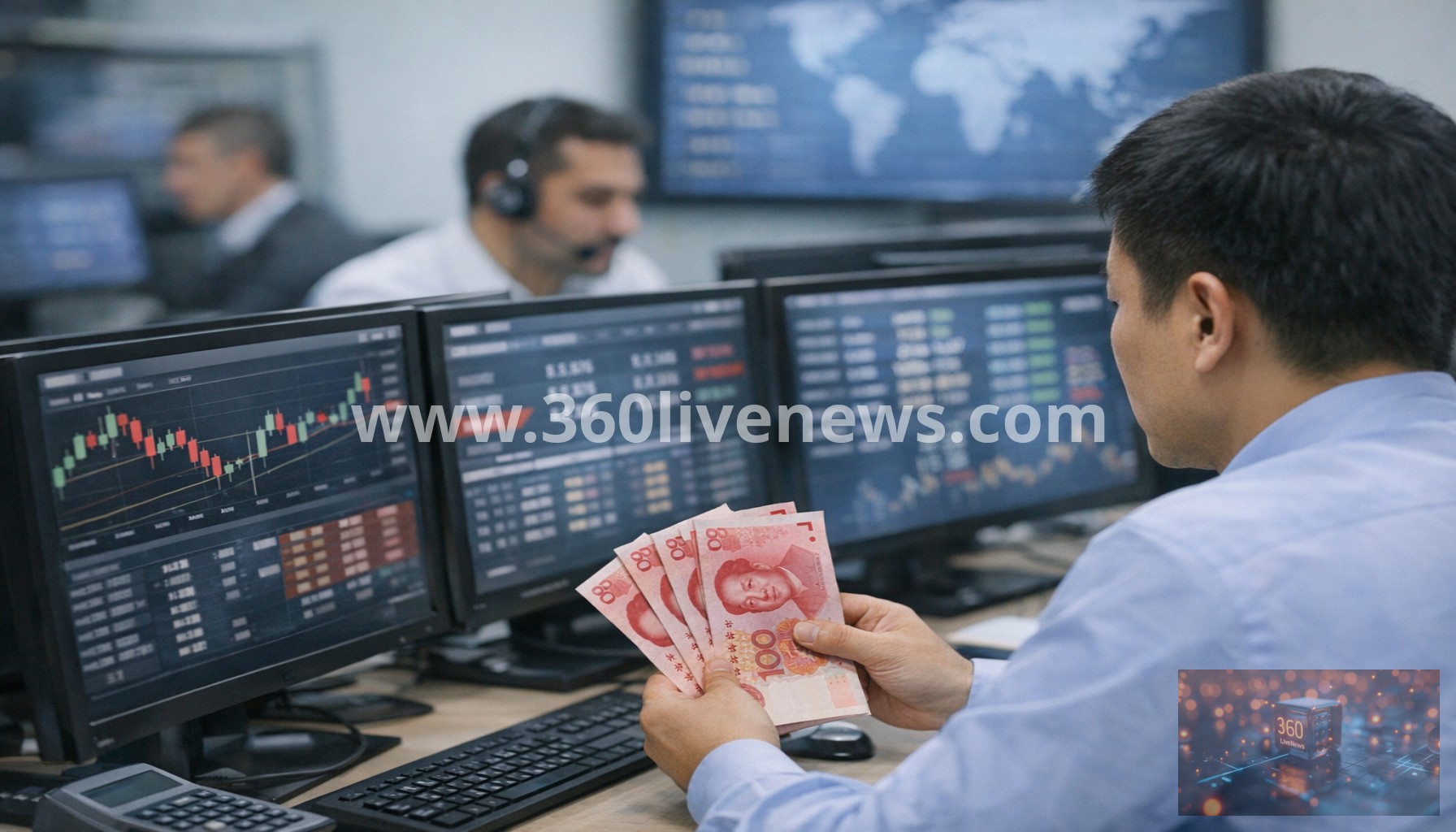

China's Cross-border Interbank Payment System sees single-day transactions exceed 1 trillion yuan amid rising yuan settlement demand
China has witnessed a significant increase in currency transactions, with single-day payments via its Cross-border Interbank Payment System exceeding 1 trillion yuan. This surge reflects the growing demand for yuan settlements, particularly influenced by recent tensions in the Middle East, according to analysts. The demand was further bolstered by a 50% increase in average daily transaction values in March, which reached 920.45 billion yuan, marking the highest level recorded in over a year. Additionally, the number of transactions rose sharply to 35,740, up from 25,930 in February, indicating a robust operational momentum. Ding Shuang, chief economist at Standard Chartered, noted... [Continue Reading]
360LiveNews | 09 Apr 2026 13:41


Europe Faces Renewed Energy Crisis Amid US-Israeli Tensions with Iran
Europe is currently grappling with a renewed energy crisis, marking the second energy shock within a span of five years. This crisis is exacerbated by escalating tensions stemming from the ongoing US-Israeli conflict against Iran. Recent statements indicate that the economic implications of this turmoil remain uncertain, much hinging on the duration and intensity of the conflict and its geopolitical ramifications. The complexity of the situation compels European nations to reconsider their energy dependencies. The European Central Bank (ECB) has highlighted the necessity for Europe to mitigate its reliance on imported fossil fuels as a primary solution to these pressing... [Continue Reading]
360LiveNews | 08 Apr 2026 07:13
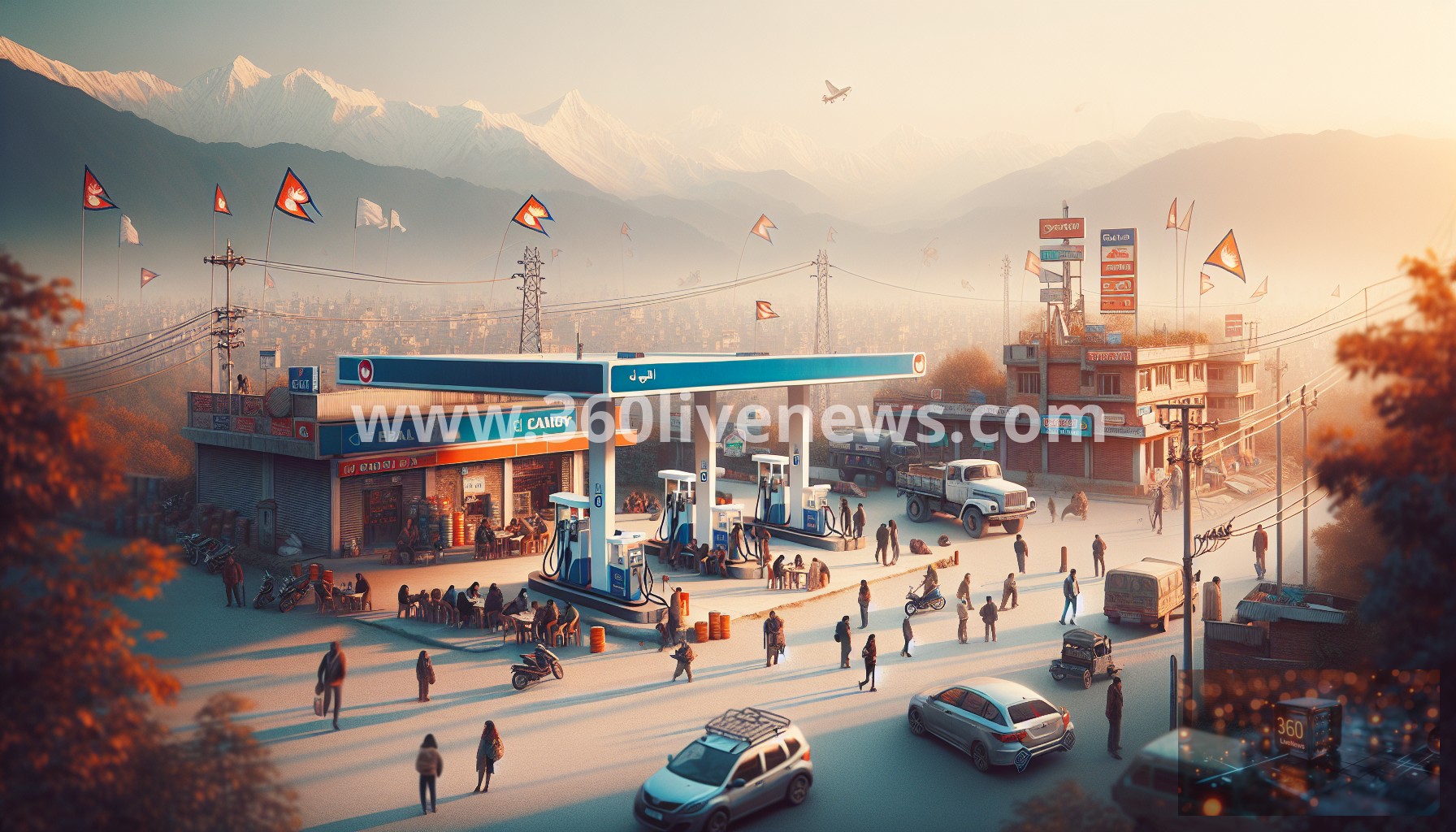

Nepal government extends weekend to two days to address fuel crisis and alleviate citizen discomfort
In a significant response to an ongoing fuel crisis, the government of Nepal has officially extended the weekend from one day to two, implementing Saturday and Sunday as non-working days for all government offices and educational institutions. This emergency decision was taken during a cabinet meeting held today, with spokesperson Sasmit Pokharel indicating that the measures aim to alleviate the discomfort faced by citizens due to drastic fuel shortages. The context for this surprising move can be traced back to the recent escalation of hostilities in the conflict involving Israel and Iran, which has led to soaring fuel prices globally.... [Continue Reading]
360LiveNews | 05 Apr 2026 15:13