Nepal government extends weekend to two days to address fuel crisis and alleviate citizen discomfort
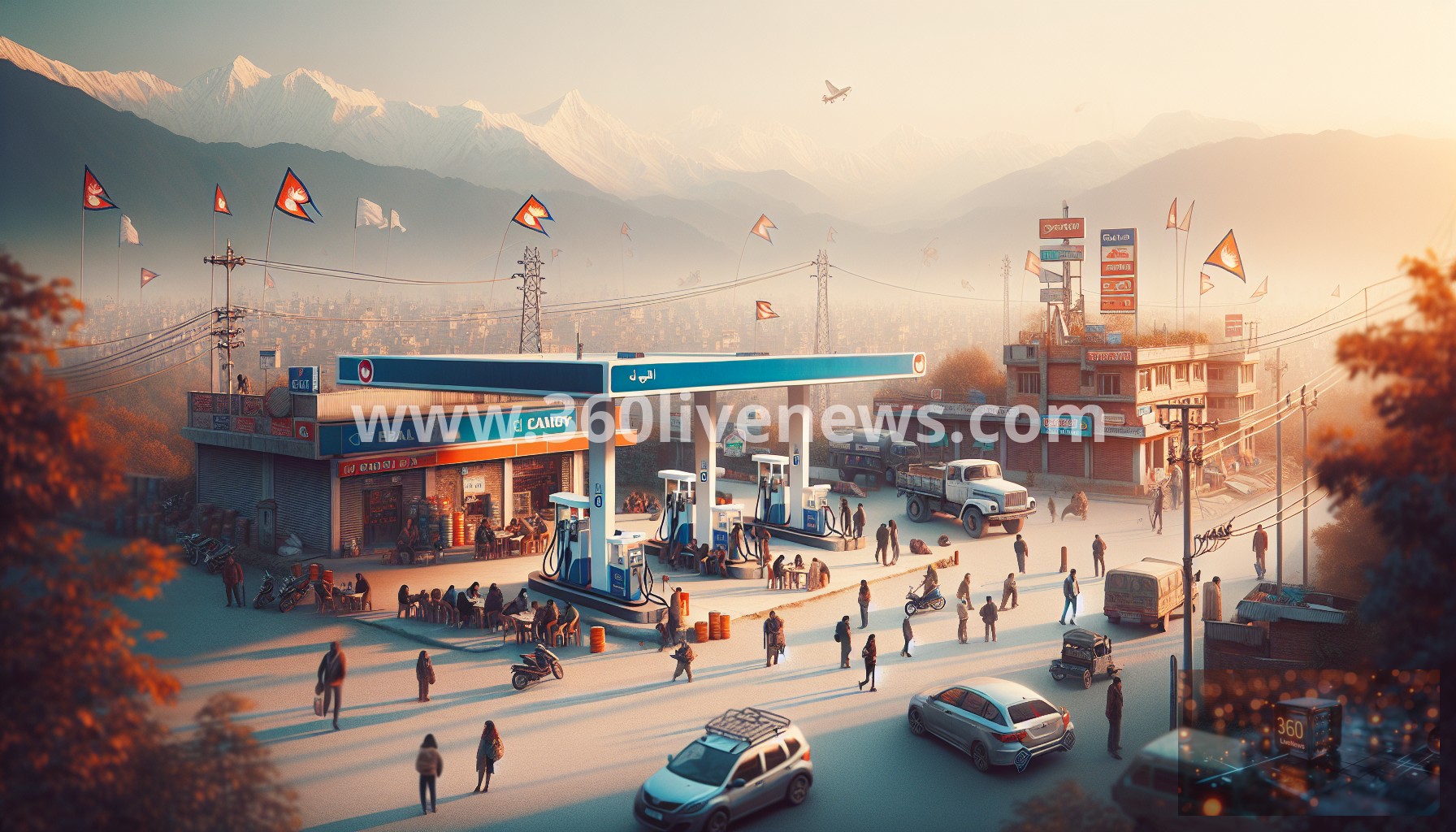
In a significant response to an ongoing fuel crisis, the government of Nepal has officially extended the weekend from one day to two, implementing Saturday and Sunday as non-working days for all government offices and educational institutions. This emergency decision was taken during a cabinet meeting held today, with spokesperson Sasmit Pokharel indicating that the measures aim to alleviate the discomfort faced by citizens due to drastic fuel shortages.
The context for this surprising move can be traced back to the recent escalation of hostilities in the conflict involving Israel and Iran, which has led to soaring fuel prices globally. Nepal, which relies almost solely on imports from India to meet its fuel requirements, is feeling the crunch as prices for diesel and petrol have reached critical levels. This shift aims to substantially reduce national fuel consumption as citizens adjust their schedules to cope with the energy crisis.
As reported, diesel prices have surged, climbing to approximately €2.08 per litre, while petrol approaches €1.85 per litre in many regions. The crisis has been characterized as possibly the "worst world has ever seen" by Tánaiste Simon Harris, who recently remarked on the unprecedented nature of the situation. These price hikes have put immense financial pressure on households and businesses, deepening the urgency for governmental interventions throughout affected regions.
In response to this crisis, various governments have implemented measures to mitigate the impact of rising fuel prices. In Ireland, for instance, recent government actions regarding excise duties have led to some minor reductions at the pumps, although the overall trend remains on an upward trajectory. The severe supply issues have provoked discussions among government officials, and a dedicated leadership meeting is scheduled to tackle the spiraling energy situation, under the leadership of Taoiseach Micheál Martin and other relevant ministers.
Nepal's decision to adopt a two-day weekend reflects both the immediate pressures of fuel scarcity and a broader governmental strategy for energy conservation. With the new working week reduced to five days, the country joins a growing list of nations compelled to find innovative solutions for overcoming the dire consequences of the energy crisis exacerbated by international conflicts.
The geopolitical dimensions of this fuel crisis are profound. The ongoing war between Israel and Iran not only threatens regional stability but poses significant risks to global oil markets. As countries reliant on imported fuel, particularly those like Nepal that depend heavily on neighboring countries for energy, grapple with surging costs, the implications of diplomatic dynamics and international conflict grow increasingly pronounced.
In previous developments, reports have highlighted how the conflict has caused disruptions across various sectors, particularly affecting trade routes and fuel shipments. As the crisis unfolds, we may witness shifts in diplomatic alliances and economic policy formulation as nations struggle to deal with energy shortages on their home fronts. Nepal's strategic adjustment towards a two-day weekend could serve as a model for similar adjustments in other nations confronting supply-chain vulnerabilities tied to international disputes.
This evolving situation will require close monitoring as governments respond to an energy landscape that is rapidly changing. Addressing both short-term needs and long-term energy sustainability, policymakers may need to implement comprehensive strategies that encompass economic, social, and environmental factors to ensure resilience against future crises.
In summary, as Nepal navigates the implications of rising fuel prices incited by the Iran conflict, the two-day weekend initiative may be viewed both as a necessary response to immediate challenges and as part of a broader conversation regarding energy dependency, procurement strategies, and national resilience. How other governments choose to respond to similar pressures in the wake of ongoing global shifts remains to be seen, but Nepal's actions could herald a series of significant adjustments across the region.
#Nepal #Iran #Israel #FuelCrisis #Energy #Government #Cabinet #Economy
