Ecuador to raise tariffs on Colombian imports to 100 percent starting May 1 amid rising tensions over drug trafficking and border security
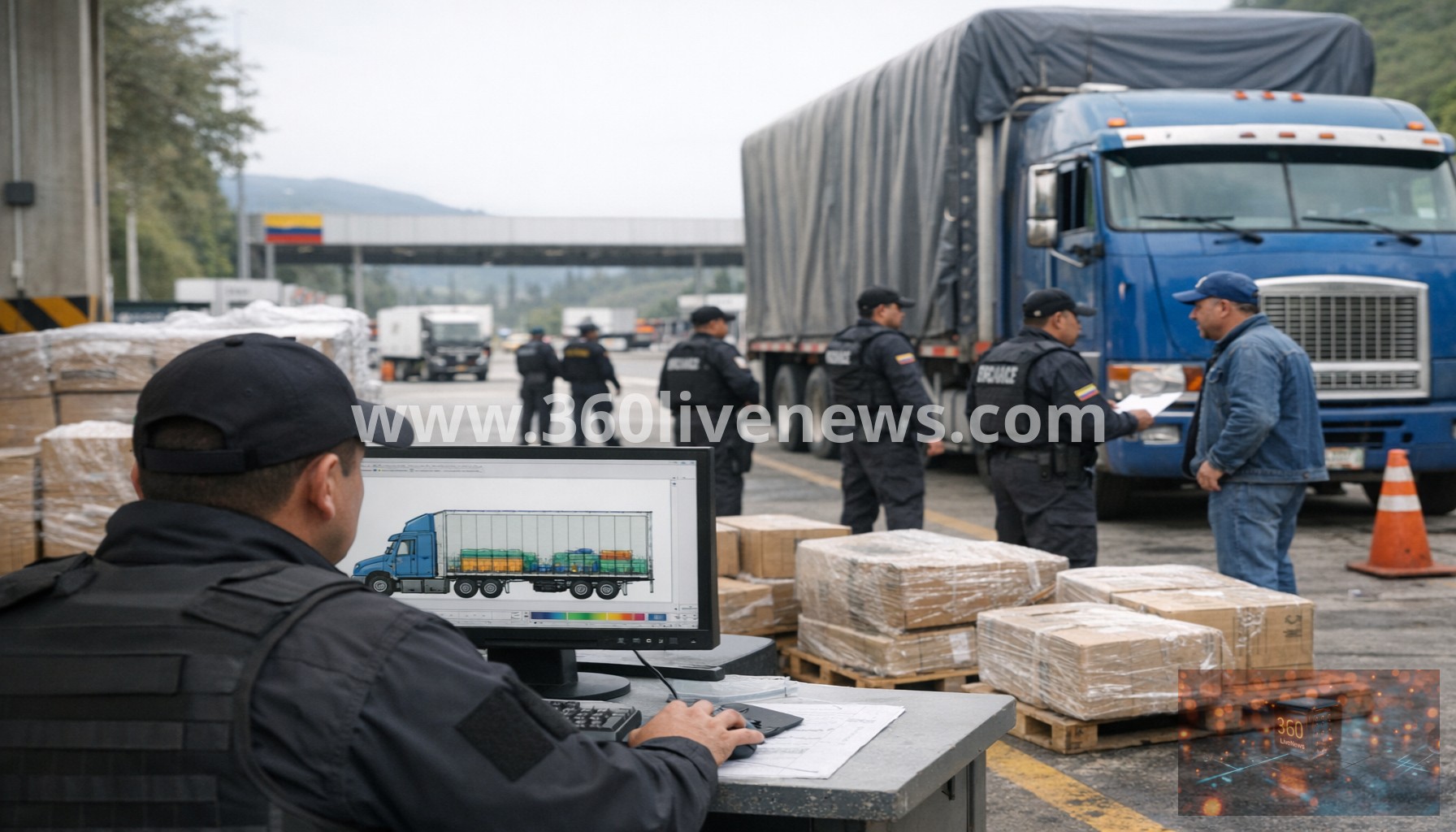
The government of Ecuador, led by President Daniel Noboa, has announced a significant increase in tariffs on imports from Colombia, raising them to 100 percent starting May 1. This decision represents a dramatic escalation in the ongoing tensions between the two neighboring countries, primarily revolving around issues of drug trafficking and border security. The move was officially confirmed in a statement issued by Ecuador’s Ministry of Production.
In the statement, the ministry accused Colombia, under President Gustavo Petro, of not taking adequate measures to combat drug trafficking effectively. "After noting the lack of implementation of concrete and effective measures regarding border security on the part of Colombia, Ecuador is obliged to take sovereign actions," it declared. The feud has been marked by exchange of criticisms, with Noboa accusing Petro’s administration of failing to respond decisively to narcotics-related violence spilling across the borders.
This tariff hike signifies a broader deterioration in diplomatic relations, which have been strained for several months. President Noboa's right-leaning government has been increasingly vocal in its criticism of Colombia's leftist leadership, drawing attention to rising crime rates and the influence of illegal drug cartels in border areas. The tariffs are seen as a direct response to perceived inaction by Colombia regarding the joint issues of drug trafficking and border security.
Economic analysts posit that this tariff increase could severely impact trade between the two nations. Colombia has historically been one of Ecuador's largest trading partners, and the imposition of such high tariffs may lead to retaliatory measures and further economic distress. The Ecuadorian Ministry of Production has underscored that these actions are essential in safeguarding national security and trade interests.
Historically, trade disputes in this region have the potential to escalate quickly, particularly when intertwined with security issues. Previous incidents have seen both countries engage in tit-for-tat responses over trade and border dynamics, especially in response to rising tensions related to drug trafficking and asylum policies for displaced individuals fleeing violence in Colombia.
As tensions escalate, both governments are likely to face pressure from various factions within their countries, each with divergent views on economic partnerships and security priorities. The future of diplomatic relations between Ecuador and Colombia appears precarious, with negotiations now potentially hampered by increasing tariffs and mutual accusations. Experts emphasize that prolonged discord may lead to repercussions beyond bilateral trade, affecting broader geopolitical stability in the Andean region.
Moreover, Noboa's firm stance against Colombia aligns with a broader tendency among some Latin American leaders to adopt aggressive economic policies in response to perceived threats from neighboring states. This stance resonates well with segments of the Ecuadorian populace that prioritize national security over economic interdependence.
In response to the tariff increase, Colombian officials have not yet publicly commented, but previous statements from Petro have emphasized collaboration and dialogues aimed at addressing shared concerns. The outcome of this trade escalation will depend not only on government negotiations but also on the enforcement capabilities of border security forces tasked with combating the rampant drug trade that has historically plagued both nations.
As this situation develops, it exemplifies the delicate balance between economic interdependence and national security. Each country's leadership must navigate a complex political landscape, factoring in domestic concerns that influence foreign policy decisions. The ramifications of these tariff changes may extend beyond immediate economic distress, signaling a potential shift in the regional dynamics of drug trafficking and cross-border crime.
#Crisis_in_Drug_Trafficking #Colombia #Ecuador #Daniel_Noboa #Gustavo_Petro #Border_Security #Drug_Trafficking #Trade_Agreement #Economic_Policy #South_American_Politics #Border_Conflict #International_Relations #Drug_War