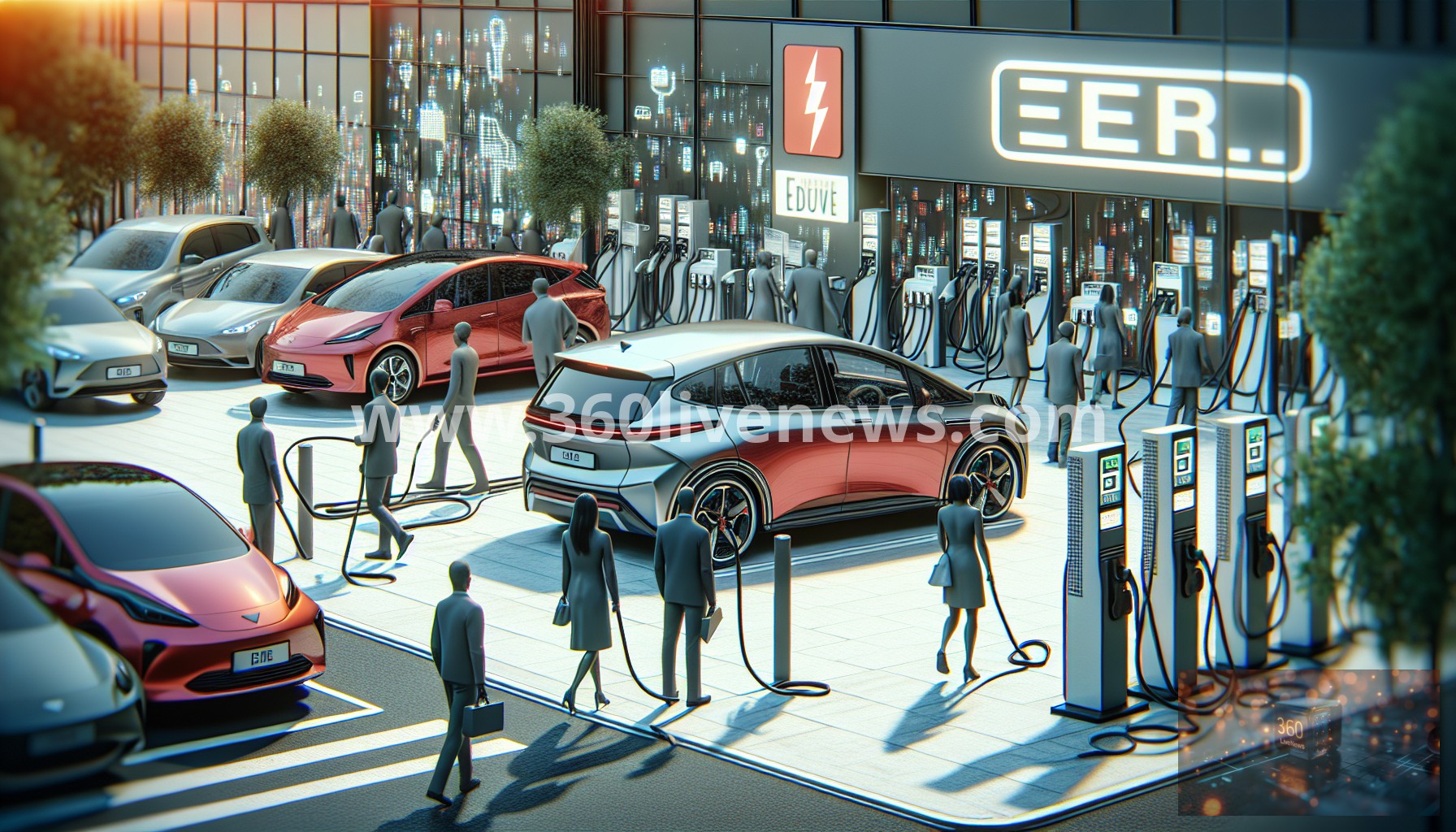

Electric Vehicle Sales in Australia More Than Double Amid Fuel Shortages and Rising Petrol Prices
The electric vehicle (EV) market in Australia is experiencing a notable upswing as concerns over fuel shortages and escalating petrol prices continue to persist due to the ongoing war with Iran. New car sales data released recently indicates that the share of EVs more than doubled compared to the same month last year, reflecting a significant shift in consumer preferences. This increase has coincided with rising anxiety regarding the availability of fuel, prompting many households to seek alternative transportation options to mitigate their expenses. According to the latest figures, sales of battery electric vehicles in March surged by 23 percent... [Continue Reading]
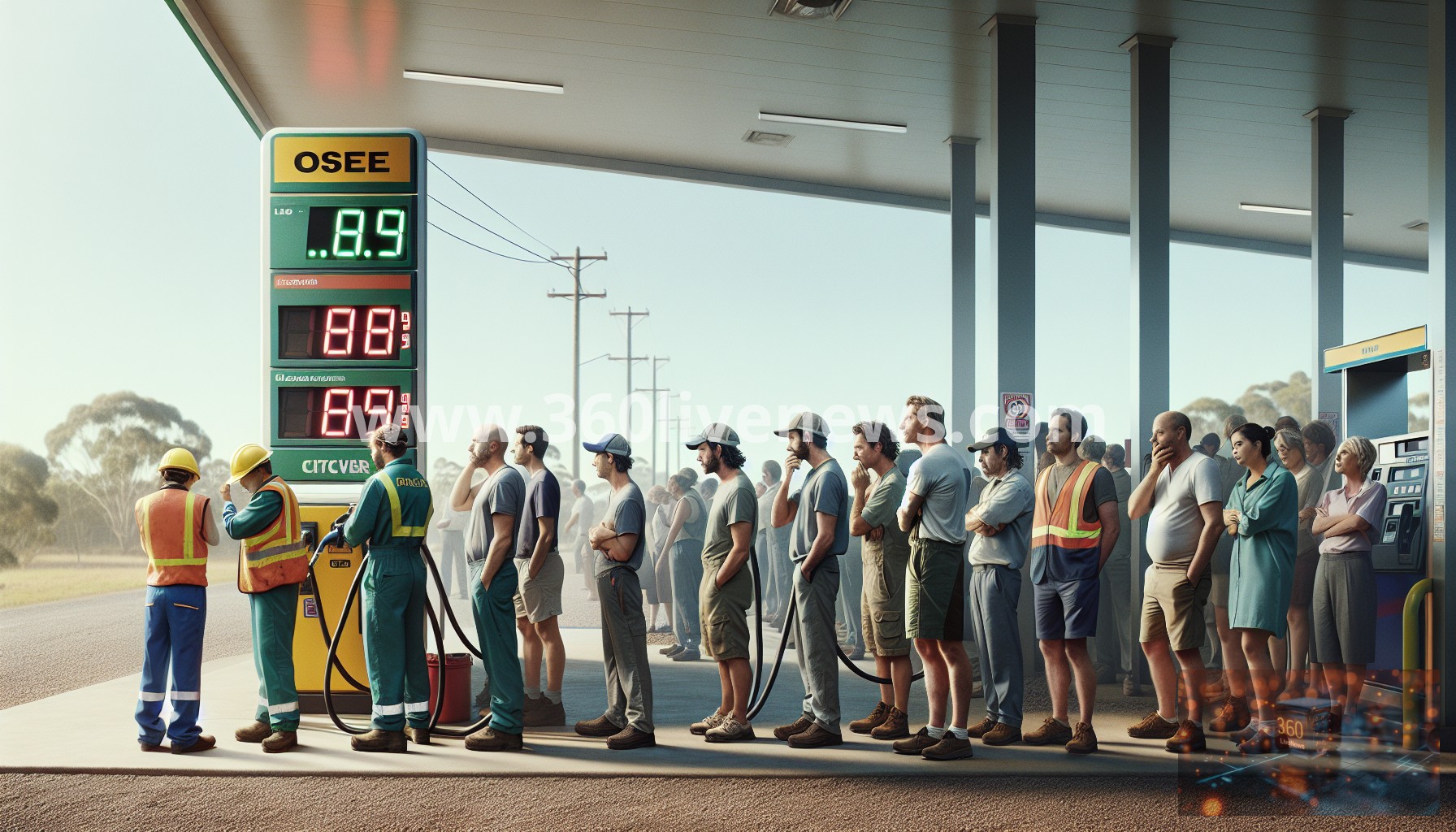

Rising fuel prices in Middle East lead to increased hostility towards petrol station workers in Australia
With the ongoing conflict in the Middle East driving fuel prices significantly higher, retail workers in Australia are experiencing a troubling rise in consumer hostility. The backlash against petrol station employees has intensified, as reported incidents of abuse from drivers have surged since prices began to climb. The Shop, Distributive and Allied Employees Association (SDA), the union representing petrol station staff, has indicated that these issues are becoming increasingly prevalent, prompting them to consider measures to enhance worker safety during this volatile period. Petrol station operators are also feeling the pinch from rising fuel prices, expressing frustration that the increased... [Continue Reading]
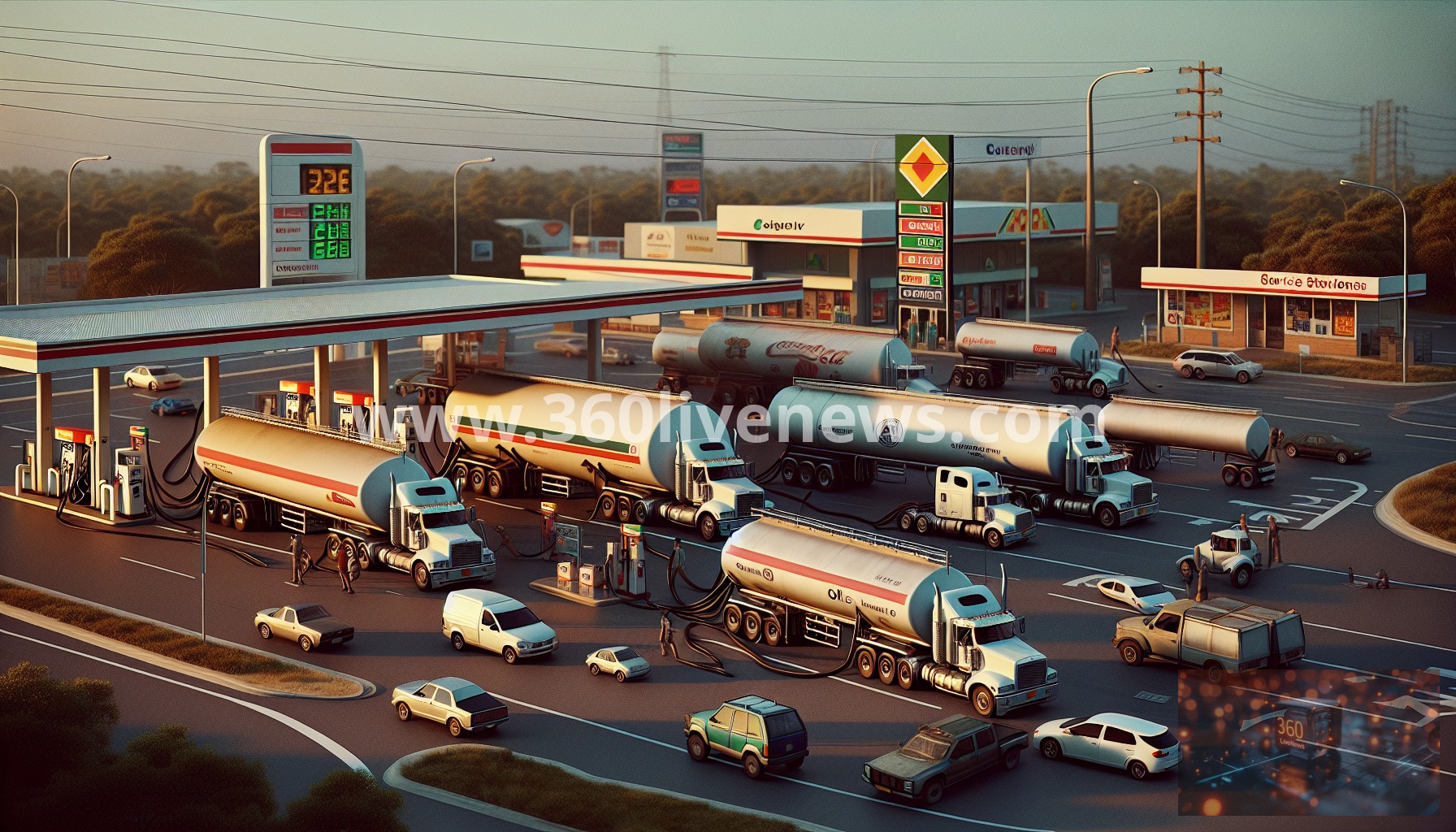

Australia Secures Assurances from Asian Nations on Continued Fuel Supply Amid Middle East Tensions
Australia's federal government has received assurances from several Asian nations that the "normal supply" of fuel will continue despite ongoing tensions in the Middle East, specifically associated with the Iran conflict. With the closure of the Strait of Hormuz impacting global oil markets, the government is intensifying efforts to prevent potential petrol and diesel shortages that could arise from these international developments. Nations such as South Korea, Singapore, Malaysia, and Japan have been pivotal in these discussions, given that Australia imports about 90% of its refined fuel from these and other Asian refineries. The Organization of the Petroleum Exporting Countries... [Continue Reading]


Trump Issues 48-Hour Ultimatum to Iran Over Strait of Hormuz Blockade
In a stark warning, US President Donald Trump has issued a 48-hour ultimatum to Iran, demanding the nation either sign an agreement or lift its blockade on the crucial Strait of Hormuz. This declaration, made via a post on his Truth Social platform, underscores a significant escalation in rhetoric amid ongoing military tensions, characterized by Trump's assertion that "all Hell" would be unleashed should Iran fail to comply. The ultimatum reflects heightened anxiety over maritime security in the region, particularly regarding the Strait of Hormuz, through which a significant percentage of the world's oil passes. Trump's statements allude to previous... [Continue Reading]


Fuel Pricing Crisis Linked to Middle East Conflict Affects Ireland and Pakistan's Economies
Recent developments in fuel pricing linked to the ongoing crisis in the Middle East have led to severe economic implications for countries such as Ireland and Pakistan. In Ireland, the Minister for Transport has engaged with the Irish Road Haulage Association (IRHA) to address the rising costs of fuel exacerbated by the situation in Iran. The IRHA has expressed that the fuel price crisis is nearing "a national emergency," prompting calls for immediate governmental support for hauliers struggling under current economic pressures. In a concurrent development, Pakistanis are grappling with staggering increases in fuel prices, with petrol and diesel surging... [Continue Reading]


Malaysian Prime Minister Anwar Ibrahim urges action against misinformation on fuel and electricity prices amid rising global oil costs
Malaysian Prime Minister Anwar Ibrahim has called for immediate action against the spread of misinformation regarding fuel and electricity prices amidst an ongoing rise in global oil costs. In a recent video message, Anwar specifically pointed out that 96 misleading posts identified by the Malaysian Communications and Multimedia Commission are causing public concern and confusion about the country's energy policies. He emphasized the negative impact of such misinformation during "extraordinary circumstances" that the nation is currently facing. Anwar's plea comes as the Malaysian government is spending approximately 4 billion ringgit (about US$993 million) a month to manage the financial strains... [Continue Reading]
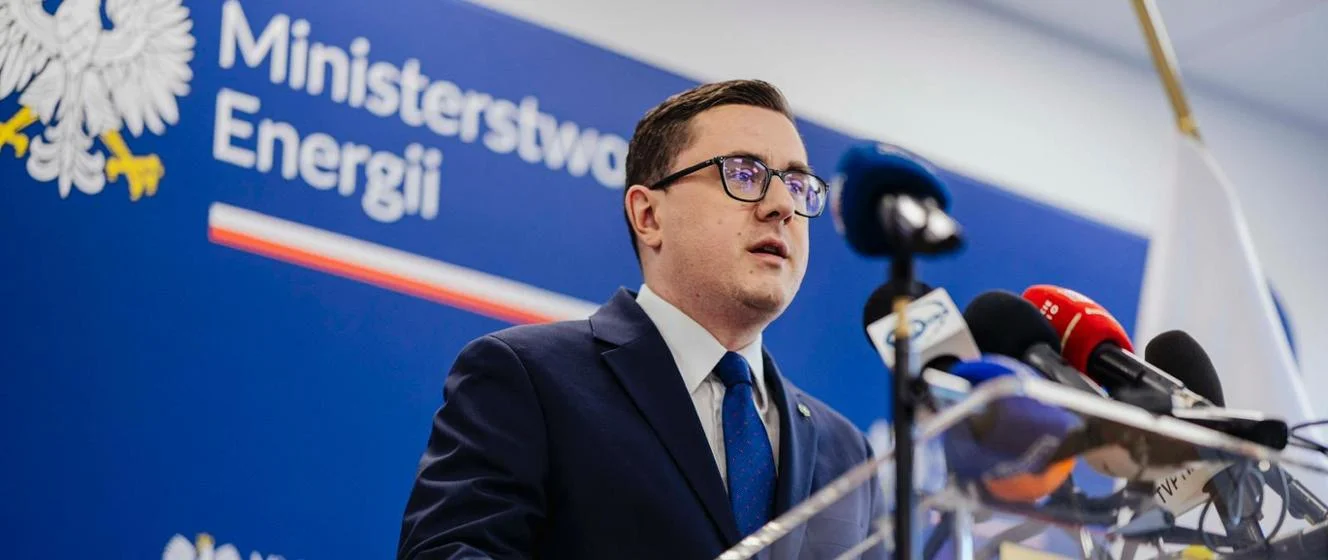
UK Sets Maximum Fuel Prices from April 2 to Protect Families from Rising Costs
The UK Ministry of Energy announced binding maximum fuel prices that will take effect from April 2, 2026. Under this policy, petrol grades 95 and 98, as well as diesel, will have strict price limits at 6.23, 6.84, and 7.65 zloty per liter respectively, preventing retailers from charging above these set thresholds. This move is intended to stabilize the national fuel market by reducing VAT and fuel excise taxes alongside the price caps. These measures are designed to directly protect UK drivers and households vulnerable to fluctuating fuel costs amid ongoing global energy price pressures. The policy enforces a consistent... [Continue Reading]
 360LiveNews | 01 Apr 2026 16:36