Electric Vehicle Sales in Australia More Than Double Amid Fuel Shortages and Rising Petrol Prices
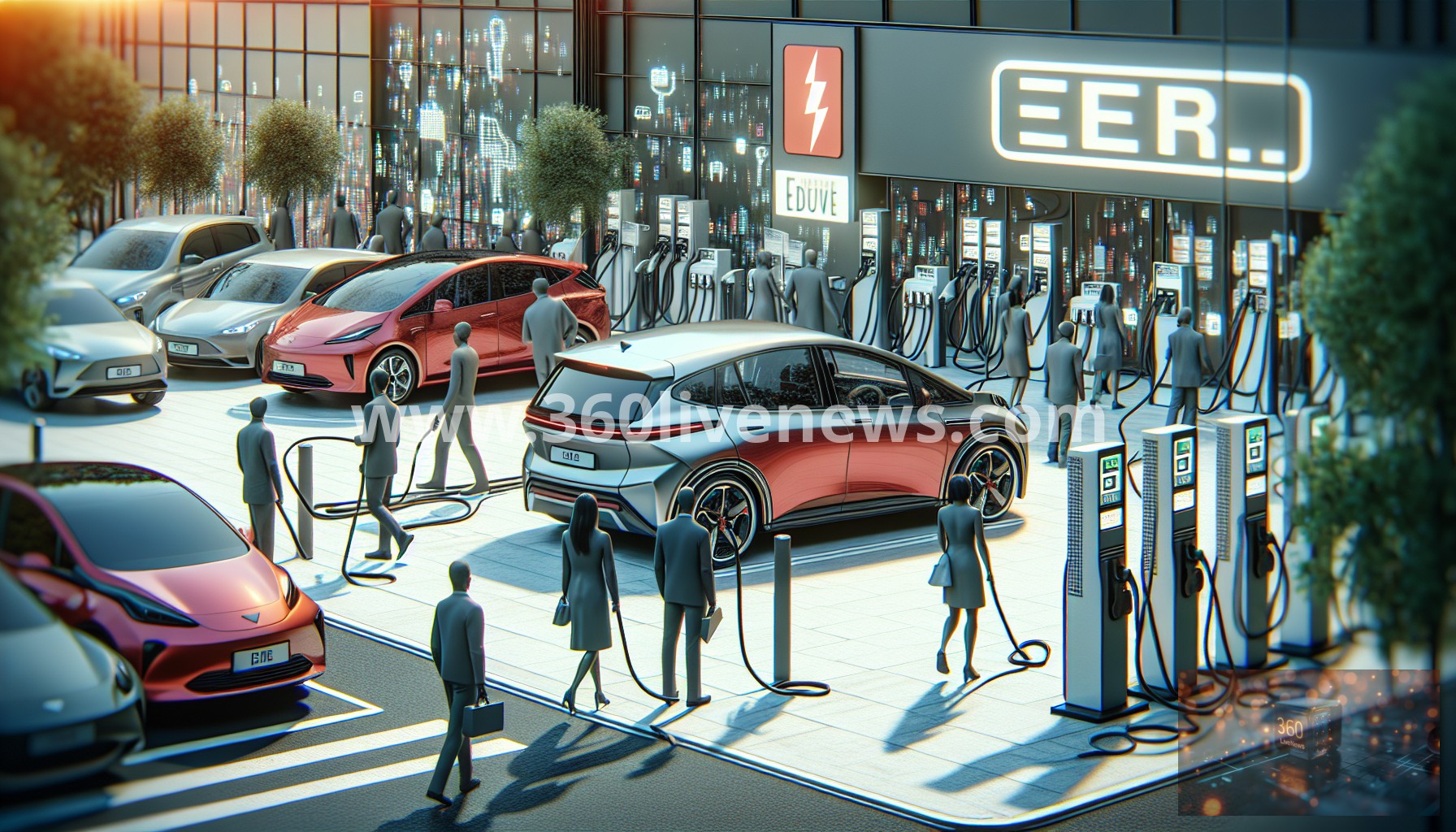
The electric vehicle (EV) market in Australia is experiencing a notable upswing as concerns over fuel shortages and escalating petrol prices continue to persist due to the ongoing Iran" target="_blank" rel="nofollow noopener">war with Iran. New car sales data released recently indicates that the share of EVs more than doubled compared to the same month last year, reflecting a significant shift in consumer preferences. This increase has coincided with rising anxiety regarding the availability of fuel, prompting many households to seek alternative transportation options to mitigate their expenses.
According to the latest figures, sales of battery electric vehicles in March surged by 23 percent when compared to February. This growth is particularly striking, considering that overall new car sales have decreased by 3.3 percent during the same period. These contrasting figures suggest a robust consumer interest in electric vehicles, even as the overall automotive market faces challenges.
Australia's renewed focus on EV adoption is occurring amid significant geopolitical tensions and a global push towards sustainability. The war in Iran has led to a tightening of fuel supplies, which in turn has affected international fuel prices. Experts argue that this environment is ripe for accelerating the transition to electric mobility, as households increasingly look for solutions to manage their transportation costs effectively. Industry insiders have reiterated the importance of addressing existing barriers to EV adoption to capitalize on this momentum.
Numerous factors are contributing to this shift in the car market dynamics. The price of fuel has been rising steadily, prompting consumers to reconsider their transportation methods. Additionally, the surge in online searches and showroom visitors indicates heightened consumer interest in electric vehicles, suggesting that potential buyers are actively exploring alternatives to traditional petrol-powered cars. The growth in EV sales can also be seen as a response to broader environmental concerns, and the desire for reduced dependence on fossil fuels.
Despite the encouraging sales data for electric vehicles, there exists a pressing need to resolve structural issues impeding the transition. Policy frameworks remain crucial in incentivizing EV adoption. Authorities and stakeholders have been called upon to create supportive environments through subsidies, charging infrastructure investments, and regulatory measures that would facilitate the transition to electric mobility. The collective push from both consumers and policymakers is pivotal for Australia to establish a strong EV market.
This uptick in EV sales is indicative of broader trends also observed in other countries as they navigate fuel supply uncertainties. The Australian market’s evolution reflects a global shift where many nations are promoting green automotive technologies in response to environmental imperatives. Global automotive giants are also increasingly introducing new electric models, further enhancing the choices available to consumers. This competitive environment could serve to lower prices and increase access to electric vehicles.
The current context not only emphasizes the urgency for Australia to bolster its EV sector but also highlights its significance in the global automotive landscape. Businesses involved in manufacturing, technology, and energy are likely to benefit from these shifts as industries adapt to new consumer preferences. Collaborations among automakers, tech firms, and charging infrastructure companies may create robust ecosystems for electric mobility, paving the way for sustainable growth.
Experts have warned that while the sales surge is promising, it must be seen as just the beginning. Continuing momentum will hinge on maintaining favorable conditions for EV adoption. As the situation unfolds, Australia's strategies for integrating electric vehicles into its broader transport system will be scrutinized, determining how effectively the country can navigate the complexities of fuel insecurity and environmental responsibility.
The implications of these trends extend beyond economic factors, touching on energy independence, climate change mitigation, and public health. The ongoing war in Iran exemplifies how geopolitical tensions can disrupt markets, highlighting the need for countries to develop sustainable transportation alternatives. As the EV market in Australia grows, it presents an opportunity for the nation to lead in the green technology sector and address pressing global challenges.
#ElectricVehicles #Australia #FuelPrice #GreenEnergy #Sustainability #EVSales #TransportPolicy #IranConflict
