

Kuwait's Mina al-Ahmadi oil refinery targeted by drone attacks amid escalating tensions in the Gulf region
In a significant escalation of hostilities in the Gulf region, Kuwait's largest oil refinery, the Mina al-Ahmadi, has been hit by drone attacks again as Iran intensifies its strikes on energy infrastructure across the area. The assaults began on Friday morning as Kuwait was celebrating Eid al-Fitr, marking the end of Ramadan. This incident marks the second consecutive day of drone strikes targeting the refinery, which is capable of processing approximately 730,000 barrels of oil per day. Following the attacks, multiple units within the Mina al-Ahmadi refinery experienced fires, prompting shutdowns by Kuwait’s national oil company. Fortunately, there were no... [Continue Reading]

Iran Fires Missiles at Israel Following Netanyahu's Remarks on Military Conflict
Iran has fired multiple rounds of missiles towards Israel following a declaration from Israeli Prime Minister Benjamin Netanyahu that the Islamic Republic has been "decimated" by the ongoing military conflict. This missile activity, which occurred shortly before midnight local time, was tracked by Israel's military, which reported three rounds of missile fire over the course of an hour and a half leading up to midnight, with additional strikes detected a few hours later. The escalation represents a significant moment in the current conflict, as both nations grapple with the consequences of their ongoing hostilities. Reports from the Israeli media indicated... [Continue Reading]
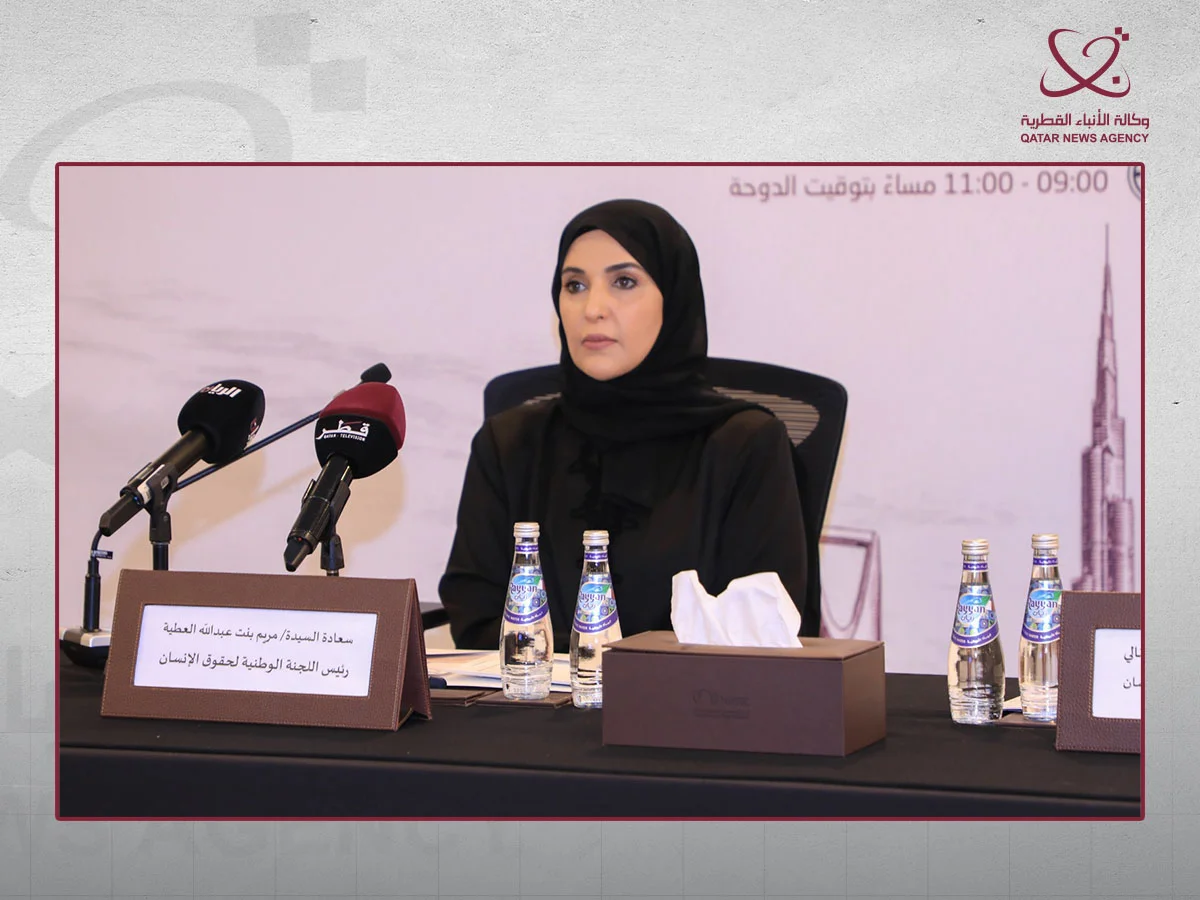
GCC Human Rights Bodies Condemn Iranian Attacks on Gulf States in Emergency Meeting
On March 19, top human rights officials from the Gulf Cooperation Council (GCC) convened an emergency meeting in Doha following a series of Iranian attacks against Gulf states. These attacks reportedly targeted critical civilian infrastructure, causing concern over escalating regional tensions and violations of international humanitarian standards. The meeting was led by Qatar's National Human Rights Committee. Participants included representatives from Oman, Bahrain, Kuwait, Saudi Arabia, the United Arab Emirates, the GCC Secretariat, and the United Nations Special Rapporteur focusing on the protection of human rights defenders. They collectively condemned the Iranian strikes as blatant breaches of the UN Charter... [Continue Reading]
 360LiveNews | 19 Mar 2026 21:15


Iran warns of zero restraint in response to attacks on its energy infrastructure following Israeli airstrikes on South Pars gasfield
In a notable escalation of tensions, Iranian Foreign Minister Abbas Araghchi has warned that Iran will exhibit "zero restraint" if its energy infrastructure comes under attack again. This warning follows Israeli airstrikes on Iran's South Pars gasfield, a critical energy resource shared with Qatar, which has resulted in significant retaliatory actions from Tehran, including strikes aimed at Qatar’s Ra's Laffan gas complex. The repercussions of these strikes have notably disrupted Qatar's liquefied natural gas export capacity, with estimates indicating that nearly one-fifth has been incapacitated, leading to widespread implications on global energy prices and stock markets. During this latest incident,... [Continue Reading]
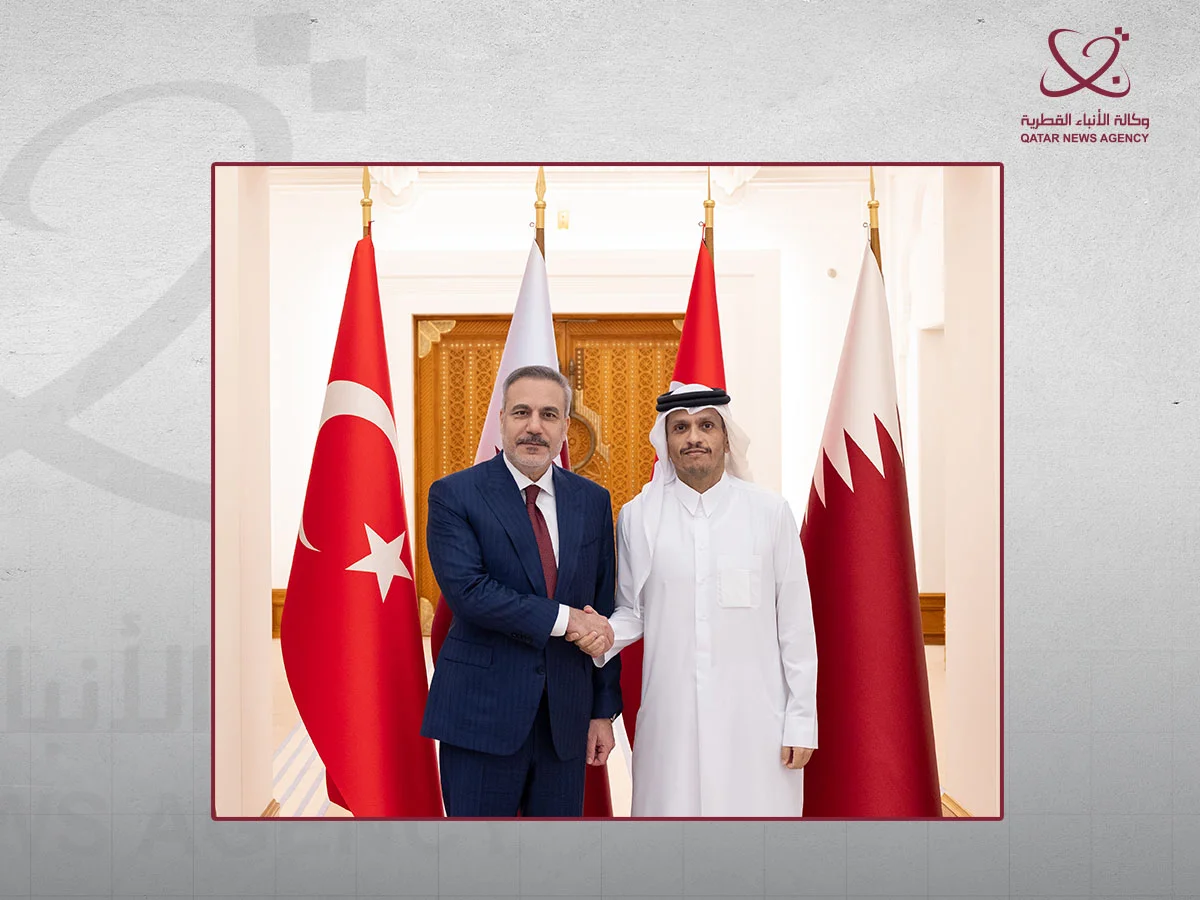
Qatar Condemns Iranian Attacks During Talks With Turkish Foreign Minister
Qatar’s Prime Minister and Foreign Minister Sheikh Mohammed bin Abdulrahman met with Turkish Foreign Minister Hakan Fidan in Doha to address the worsening military situation in the Middle East. The leaders condemned recent Iranian attacks on Qatari soil, calling them unjustifiable and stressing that Qatar seeks to remain neutral amidst regional conflicts. The discussion focused on the broader implications of rising regional military escalation and its impact on both regional and international security. Qatar signaled its commitment to promoting diplomatic dialogue, particularly between Iran and the global community, to prevent further destabilization. This meeting highlights the growing concern among Gulf... [Continue Reading]
360LiveNews | 19 Mar 2026 18:18

Bahrain Condemns Iranian Attack on Qatar’s Ras Laffan in Call with Emir
Qatar’s Emir Sheikh Tamim bin Hamad Al-Thani received a phone call from Bahrain’s King Hamad bin Isa Al Khalifa on March 19, during which the Bahraini monarch strongly condemned the recent Iranian attack against Qatar’s vital Ras Laffan Industrial Area. Bahrain voiced its solidarity with Qatar as both nations face the fallout of this hostile act. The two leaders exchanged Eid Al-Fitr greetings before delving into the serious security concerns raised by Iran’s aggression. They discussed regional and international developments that affect Gulf security, emphasizing the need to de-escalate tensions and work collectively to stabilize the region. This conversation reinforces... [Continue Reading]
360LiveNews | 19 Mar 2026 18:12

UK PM Condemns Iranian Attacks on Qatar in Call with Amir Sheikh Tamim
United Kingdom Prime Minister Keir Starmer spoke Thursday with Qatar’s Amir Sheikh Tamim bin Hamad Al-Thani to address escalating Iranian attacks in the region, notably the recent missile strike on Qatar’s key Ras Laffan Industrial City. Starmer firmly condemned these attacks as violations of international law and underscored the UK's unwavering support for Qatari security. The call highlighted serious regional concerns caused by Iran's continuing aggression, which threatens both regional and global security. Given Ras Laffan's vital role as a major industrial and liquefied natural gas hub, the strike has significant implications for energy markets and international supply chains. Both... [Continue Reading]
360LiveNews | 19 Mar 2026 17:12
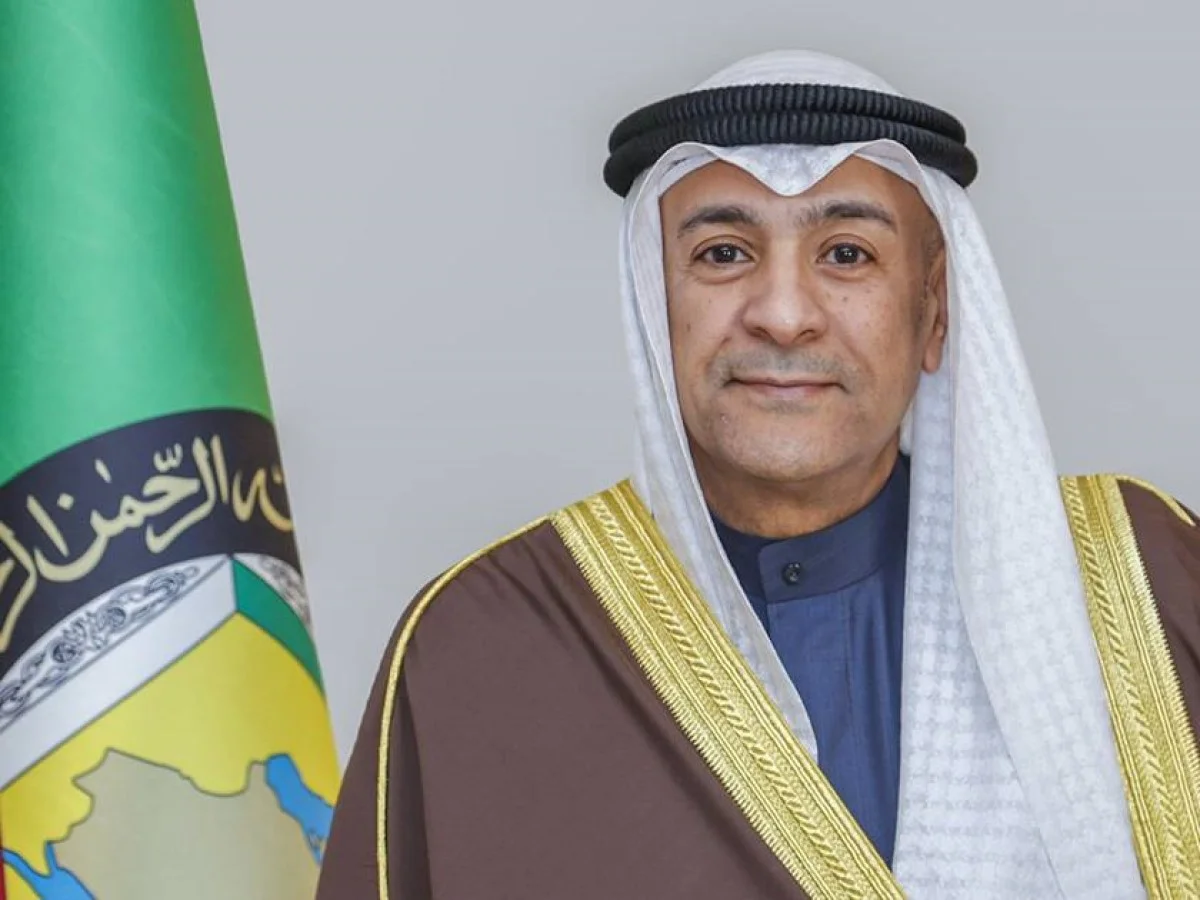
GCC Strongly Condemns Iranian Attacks on Saudi Oil Facilities
The Gulf Cooperation Council (GCC) has issued a strong condemnation of Iran following attacks on major oil refineries in Saudi Arabia. Iranian forces targeted the SAMREF refinery in Yanbu Port and a refinery located south of Riyadh. The GCC Secretary General Jasem Mohamed Albudaiwi described these actions as terrorist acts and criminal aggression that threaten regional security. Saudi Arabia's vital oil infrastructure and economic stability are directly affected by these attacks, which risk disrupting global energy supplies from a major oil exporter. The GCC underscored the violation of international laws and principles of good neighborliness displayed by Iran's hostile behavior.... [Continue Reading]
360LiveNews | 19 Mar 2026 16:27
Israel Intensifies Military Operations Against Iranian Interests, Strikes South Pars Gas Field
Israel's military operations against Iranian interests intensified on March 19, marking a notable escalation in ongoing regional tensions. The Israeli air force struck designated areas of Iran's portion of the South Pars gas field, the world's largest offshore gas reservoir, which Iran shares with Qatar's Doha. This action reportedly took place on March 18, costing significant collateral in terms of energy resources, which has since influenced global oil prices. The South Pars gas field, located in the Persian Gulf, has been pivotal in shaping both Iranian energy policy and its geopolitical standing in the region. Israel's recent attacks target not... [Continue Reading]
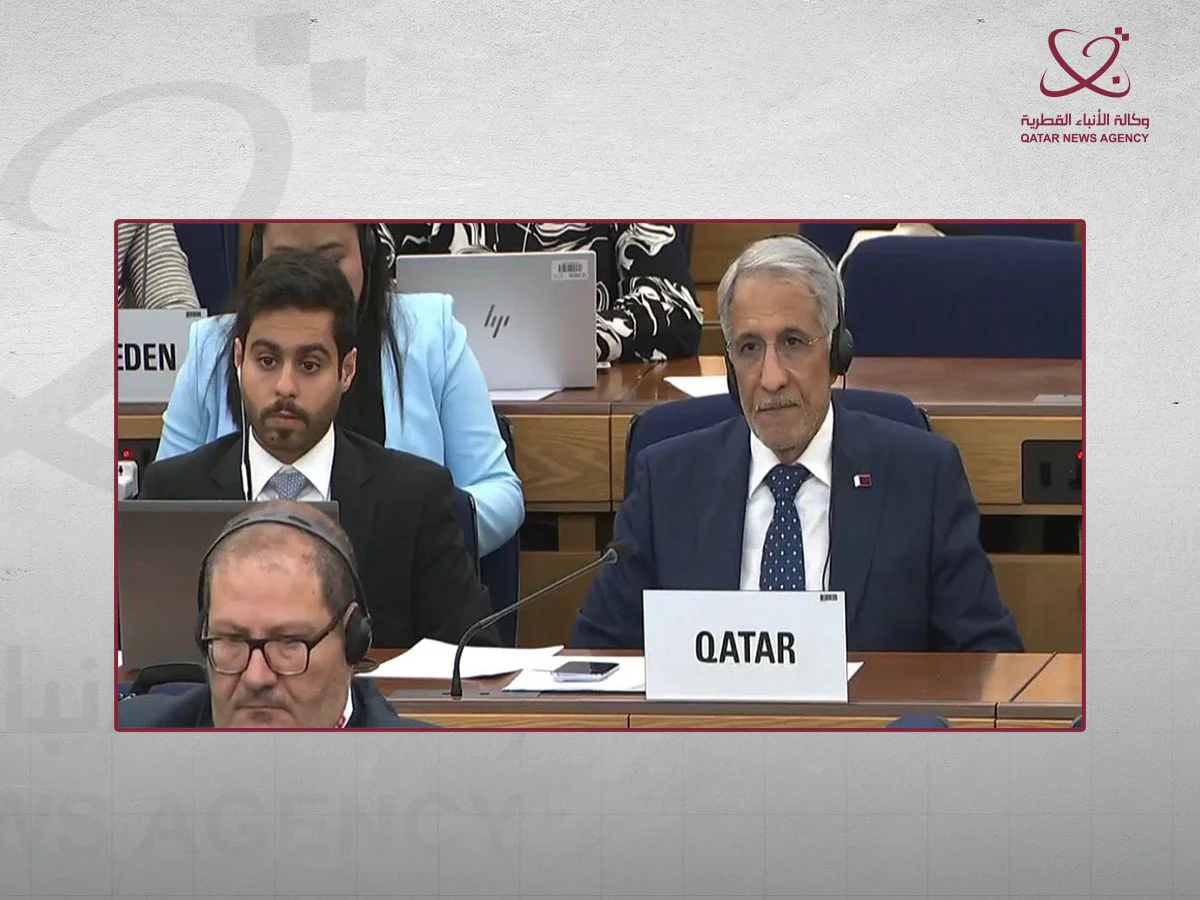
Qatar Condemns Iran’s Maritime Threats at International Maritime Organization Meeting
At the 36th extraordinary session of the International Maritime Organization council, Qatar sharply denounced Iran’s ongoing attacks and threats targeting commercial shipping lanes and maritime infrastructure, particularly in the Strait of Hormuz. The session focused on mounting aggression against Gulf states and the serious implications for global maritime navigation. The ambassador of Qatar to the United Kingdom stressed that Iran’s actions constitute clear violations of international law and directly threaten the principle of freedom of navigation. This escalation risks disrupting a vital international shipping route that handles about 20% of the world’s oil shipments, raising stakes for global energy markets... [Continue Reading]
360LiveNews | 19 Mar 2026 11:39
Iran Targets Qatar's Ras Laffan LNG Facility in Military Response Following Israeli Airstrike
Iran has launched a significant military response against Qatar, targeting the Ras Laffan liquefied natural gas (LNG) facility, which is the largest of its kind globally. This escalation follows an Israeli airstrike that hit Iran's South Pars gas field. Qatar reported "extensive" damage to the LNG site early Thursday, after the Iranian strikes. This incident raises urgent concerns regarding global energy supplies and has prompted strong reactions, including threats from former U.S. President Donald Trump towards Iran. The attack on Ras Laffan underscores the fragile stability in the Gulf region. Reports indicate that Iran's actions were a direct retaliation against... [Continue Reading]
Arab and Islamic Foreign Ministers Condemn Iranian Ballistic Missile and Drone Attacks
On March 18, 2026, foreign ministers from twelve Arab and Islamic countries convened in Riyadh for a consultative meeting focused on Iran’s recent military strikes. These attacks, involving ballistic missiles and drones, targeted members of the Gulf Cooperation Council (GCC), as well as Jordan, Azerbaijan, and Turkey, underscoring the widening regional impact of Tehran’s aggressive campaign. The states represented include Qatar, Bahrain, Egypt, Jordan, Kuwait, Lebanon, Pakistan, Saudi Arabia, Syria, Turkey, the UAE, and Azerbaijan. Their united condemnation reflects growing alarm over Iran’s strategic use of advanced weaponry to challenge regional adversaries. These attacks have heightened security concerns and instability... [Continue Reading]
360LiveNews | 19 Mar 2026 06:27
Iran Strikes Qatar's Ras Laffan Gas Facility in Retaliation for Attacks on South Pars Field
Recent tensions in the Middle East have escalated dramatically, with Iran launching strikes on Qatar's largest gas facility, specifically targeting Ras Laffan. This move comes in retaliation for prior attacks on Iran's South Pars gas field, which Tehran described as an act of aggression. On Wednesday, as part of its ongoing military engagement in the region, Iran’s forces caused "significant damage" to the Qatari energy infrastructure, according to reports from Doha. This incident has sparked strong condemnations from Gulf Arab states, including Qatar, Saudi Arabia, and the United Arab Emirates, who perceive it as a dangerous step that threatens to... [Continue Reading]
Qatar Urges UN to Act as Iran’s Attacks on Its Territory Escalate
Qatar has issued a ninth formal appeal to the United Nations regarding what it calls persistent aggressive actions by Iran against its territory. Since February 28, 2026, Qatar reports multiple incursions into its airspace requiring active defense measures up to March 16. The ongoing Iranian aggression challenges Qatar’s sovereignty and escalates tensions in the already volatile Gulf region. These repeated violations harm Qatar’s national security and risk wider instability across the Middle East, affecting not only Qatar but neighboring states reliant on stable borders and secure air corridors. The letter, delivered by Qatar's UN ambassador Sheikha Alya Ahmed bin Saif... [Continue Reading]
360LiveNews | 19 Mar 2026 06:00
GCC and EU Condemn Deadly Iranian Attacks Threatening Regional Security
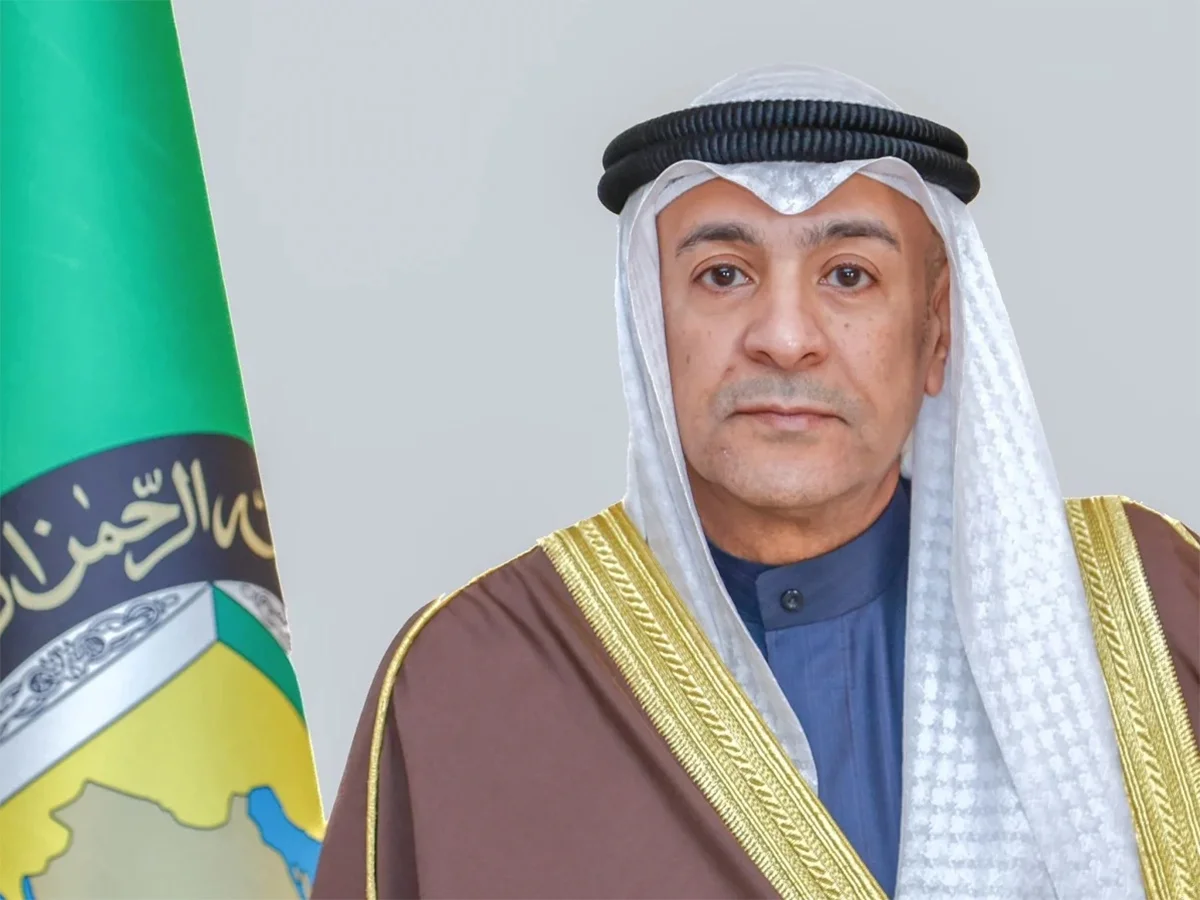
On March 19, Gulf Cooperation Council Secretary General Jasem Mohamed Albudaiwi met with European Union Special Representative Luigi Di Maio to denounce a series of serious attacks carried out by Iran against GCC countries. These attacks resulted in loss of life and significant material damage, directly threatening the safety and security of civilians across the Gulf states. The officials emphasized the strategic importance of preserving the integrity of the Gulf’s airspace and maritime routes such as the Strait of Hormuz and Bab el-Mandeb. These waterways are vital for global energy supplies and international trade. Disruptions risk destabilizing energy markets and... [Continue Reading]
360LiveNews | 19 Mar 2026 04:57


Iran Retaliates Against Attacks on South Pars Gas Field Amid Rising Gulf Tensions
Escalating Tensions in Gulf as Iran Strikes Back Following Attack on South Pars Gas Field - Developing story The situation in the Gulf region has intensified as Iranian forces retaliate against recent attacks on their energy infrastructure, notably targeting the South Pars gas field, the world's largest natural gas field. US President Donald Trump emphasized that Israel was responsible for the attack on this significant asset, and he vowed that the US would respond decisively if Iran continued its aggression, particularly towards Qatar. Reports emerged late Wednesday detailing that a key Israeli strike hit Iran's South Pars gas field, prompting... [Continue Reading]

UAE Condemns Iran's Attack on Qatar’s Ras Laffan Industrial City
An Iranian attack targeted the Ras Laffan Industrial City in Qatar, inflicting substantial damage on this critical energy infrastructure. The UAE has condemned the strike as a serious escalation that violates international law and endangers regional peace. The incident raises concerns for Qatar’s security and the stability of the Gulf region. Ras Laffan is a major hub for liquefied natural gas (LNG) production, and damage to this facility could disrupt global energy supplies. The UAE has pledged solidarity with Qatar and supports all measures needed to protect citizens and maintain stability. The attack also poses environmental risks and humanitarian concerns,... [Continue Reading]
360LiveNews | 18 Mar 2026 22:24
Egypt Condemns Missile and Infrastructure Attacks on Gulf Nations
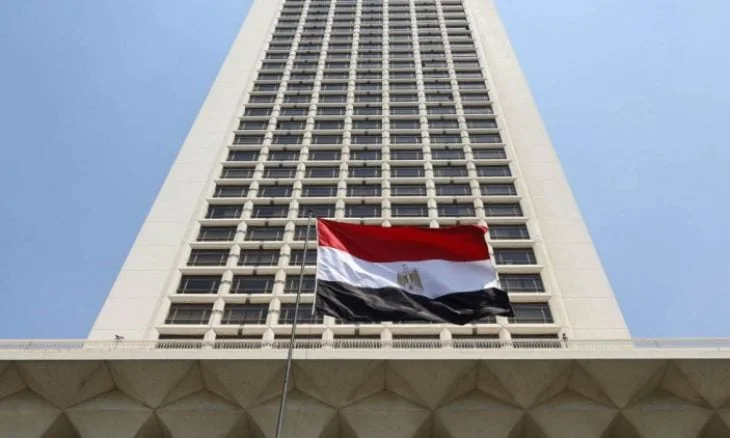
Egypt issued a strong condemnation of recent missile attacks and sabotage targeting Gulf Cooperation Council (GCC) countries' infrastructure. Among the struck facilities were critical oil and gas enterprises in Qatar's Ras Laffan Industrial City, as well as ballistic missile strikes on Riyadh, Saudi Arabia. These actions represent a direct threat to the region's vital energy infrastructure and the security of Gulf nations. The Egyptian Foreign Ministry explicitly denounced attempts to disrupt the stability of these allies, signaling Egypt’s unwavering support for Qatar, Saudi Arabia, and the wider GCC community. The attacks come amid an already volatile Middle East security environment,... [Continue Reading]
360LiveNews | 18 Mar 2026 22:12
Israel's Killing of Iranian Intelligence Minister Esmail Khatib Marks Escalation in Middle East Conflicts
The recent killing of Iranian Intelligence Minister Esmail Khatib by Israel represents a significant escalation in the ongoing conflicts between the two nations, further destabilizing the geopolitical landscape of the Middle East. The Israeli strike not only targeted Khatib but was also accompanied by an assault on the South Pars natural gas field, a vital component of Iran's energy infrastructure, solidifying the narrative of increased hostility and retaliatory actions from Tehran. Khatib's death was confirmed by Israeli Defence Minister Israel Katz, who stated that Israel will persist in thwarting threats from Iran and its leadership. The action against Khatib is... [Continue Reading]
Qatar Expels Iranian Military and Security Attaches Amid Rising Tensions
Qatar’s Ministry of Foreign Affairs formally notified Iran’s embassy that both its military and security attaches are persona non grata, ordering them to leave the country within one day. This rare step was taken after repeated Iranian attacks targeting Qatar, including a recent ballistic missile strike on the critical Ras Laffan industrial hub, damaging vital energy infrastructure. The expelled officials represent Iranian military and security interests in Qatar, and their ouster reflects Doha’s stance against violations of its sovereignty and security. The move damages diplomatic relations and highlights escalating hostility in the Gulf region. Qatar’s action underscores mounting regional tensions... [Continue Reading]
360LiveNews | 18 Mar 2026 21:15
Iran Launches Ballistic Missile Strike on Qatar's Ras Laffan Industrial City, Causing Significant Explosion
In a significant escalation of tensions in the Middle East, Iran has launched a ballistic missile strike on the Ras Laffan Industrial City in Qatar, the world’s largest natural gas facility. This attack, described as part of a "full scale economic war" by Iran, resulted in a substantial explosion on the site. Eyewitnesses reported seeing large flames and plumes of smoke, leading to immediate responses from emergency services to contain the situation. As confirmed by Qatar’s Ministry of Interior, civil defence units are actively working to manage the fire caused by the missile strike. The state-owned energy company, QatarEnergy, has... [Continue Reading]
Iranian Missile Strike Hits Qatar’s Ras Laffan Industrial City, GCC Condemns Attack
Iran carried out a ballistic missile attack targeting Ras Laffan, one of Qatar’s key industrial zones and hubs for natural gas processing. The strike caused extensive damage to vital energy facilities, escalating tensions in the Gulf region. Ras Laffan is critical not only to Qatar’s economy but also to the global energy supply. The Gulf Cooperation Council (GCC) swiftly condemned the missile strike, labeling it a blatant act of aggression and a gross violation of international laws. GCC Secretary-General Jasem Mohamed Albudaiwi asserted that the attack reflects Iran’s hostile approach, which threatens regional stability and peace. This incident heightens fears... [Continue Reading]
360LiveNews | 18 Mar 2026 20:57
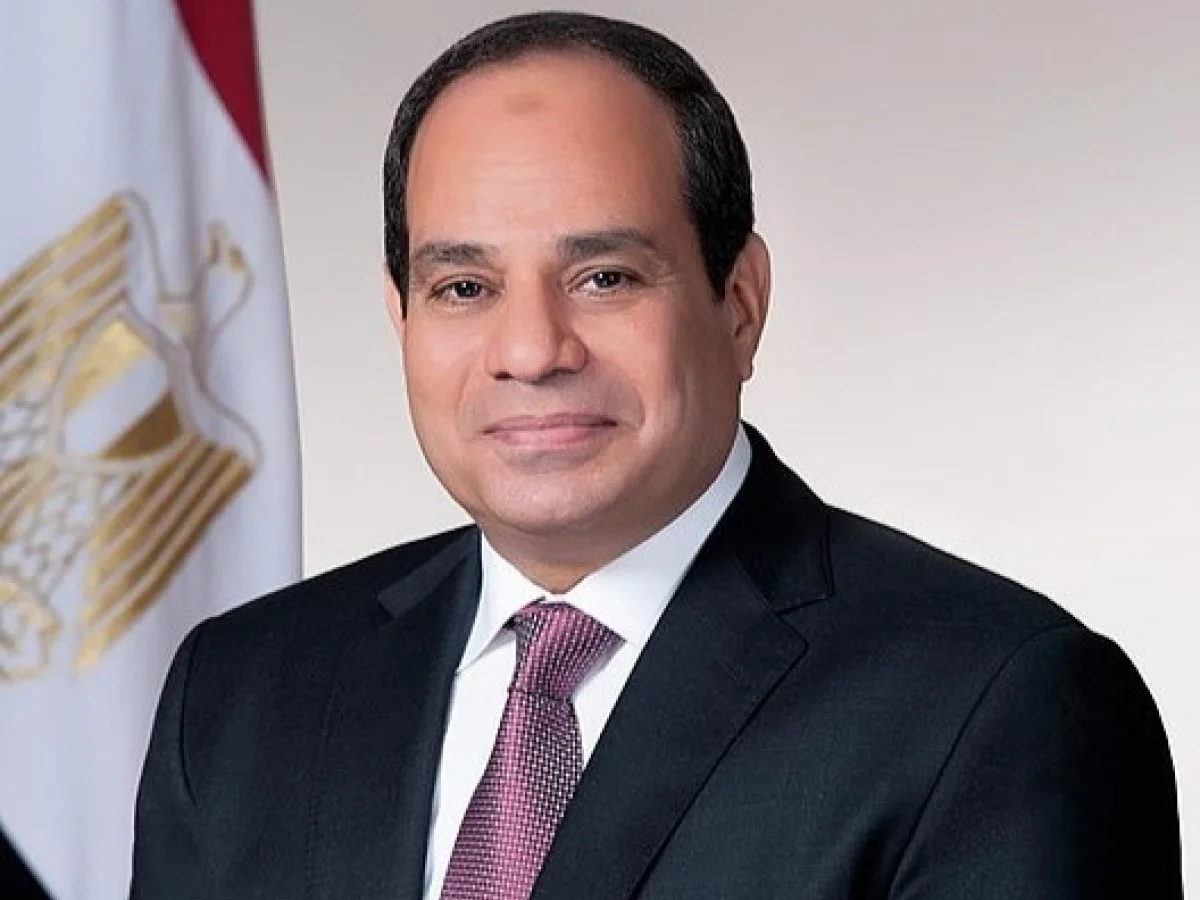
Egypt and Oman Vow to Strengthen Coordination Against Regional Tensions
On March 18, Egyptian President Abdel Fattah El-Sisi and Sultan Haitham bin Tariq of Oman spoke by phone to stress the importance of continued consultations aimed at de-escalating tensions in the Gulf region. The talks underscore both countries’ commitment to restoring stability amid recent regional insecurity. President El-Sisi emphasized Egypt’s full backing of Oman's sovereignty and the Gulf Cooperation Council (GCC) states, condemning Iranian attacks targeting Arab countries. This highlights growing tensions between Iran and some Arab states, impacting security dynamics in the Middle East. Both leaders agreed on the necessity of strengthening collective Arab national security frameworks to withstand... [Continue Reading]
360LiveNews | 18 Mar 2026 11:30
Iran Launches Missiles and Drones at Gulf Arab Nations Amid Rising Middle East Tensions
In a significant escalation of military tensions, Iran has reportedly fired missiles and drones targeting several Gulf Arab nations amid ongoing conflict in the Middle East. This latest military aggression follows a nearly three-week period of intensified violence linked to the ongoing war involving the United States and Israel's military operations against Iran. Concurrently, internal discord within the United States government is evident following the resignation of Joe Kent, the director of the National Counterterrorism Center, a move that underscores growing divisions among Republican lawmakers regarding US foreign policy in Iran. Reports indicate that early on Tuesday, Qatar's armed forces... [Continue Reading]


Cape York Peninsula residents advised to prepare for Tropical Cyclone Narelle expected to make landfall as a category four or five system
Residents on Cape York Peninsula are under urgent advisories to prepare for the impending threat posed by Tropical Cyclone Narelle, which is projected to make landfall as a powerful category four or five system on Friday morning. Local authorities have emphasized the necessity for community members to seek out sturdy buildings in which to shelter, as there are no designated cyclone shelters available in the region. The Bureau of Meteorology has provided forecasts indicating the cyclone's predicted path, confirming potential risk for both life and property. As preparations intensify, residents are being reminded to craft safety plans that take into... [Continue Reading]
Iran Launches Drone Attacks on UAE Infrastructures, Temporarily Suspending Flights at Dubai International Airport
The ongoing tensions in the Gulf have escalated as Iran has launched drone attacks on key infrastructures in the United Arab Emirates (UAE), specifically targeting the major port of Fujairah and Dubai's international airport. This incident marks a significant increase in hostilities in a region already fraught with geopolitical tension, amidst continuous threats to oil transport and associated facilities. On Monday, flights at Dubai International Airport were temporarily suspended due to a "drone-related incident," triggering a fire near the airport. This disruption follows a prior drone strike that ignited another fire at Fujairah, recognized as one of the largest oil... [Continue Reading]


Trump comments on escalating tensions between Iran and Gulf allies, expressing surprise at aggressive actions against US partners
Recent statements from US President Donald Trump have highlighted the escalating tensions between Iran and its neighboring Gulf countries. In an interview with NBC News, Trump expressed surprise that Iran had taken aggressive actions against US allies in the region, describing Bahrain, Kuwait, Saudi Arabia, the UAE, Qatar, and Oman as "terrific" nations. He noted that these countries had been "shot at unnecessarily," emphasizing the shock of such developments considering their longstanding alliance with the United States. Trump's remarks come amid a broader context of military and strategic involvement by the US in the Gulf region. Over the decades, these... [Continue Reading]


Qatar's armed forces intercept missiles targeting Doha in two waves early Saturday morning
In a significant escalation of regional tensions, Qatar's armed forces successfully intercepted missiles targeting the nation early on Saturday. The missile threats arrived in two distinct waves, with alerts sounded around 2:00 am and again at 5:45 am local time, generating profound explosions that resonated throughout Doha, the capital city. According to Qatar's Ministry of Defense, the country's air defense systems engaged the incoming missiles, preventing any potential impact on civilian areas. The situation prompted Qatar's Interior Ministry to announce precautionary evacuation measures for residents in specifically identified zones, utilizing the National Alert System to communicate with those affected. Residents... [Continue Reading]


U.S. Increases Military Presence in Middle East Amid Escalating Conflict
As the conflict in the Middle East escalates, the United States is significantly increasing its military presence in the region. U.S. officials confirmed that additional Marines and warships are being deployed in response to ongoing aerial bombardments and artillery strikes. This military maneuver comes as Iran's response to these strikes has demonstrated a surprising resilience, challenging initial expectations set during previous administrations. The recent escalation of hostilities, particularly involving strikes by Israel and the U.S. against Iranian targets, has contributed to heightened tensions in the region. Reports indicate that the strikes have created a chaotic environment for international shipping routes,... [Continue Reading]