U.S. Increases Military Presence in Middle East Amid Escalating Conflict
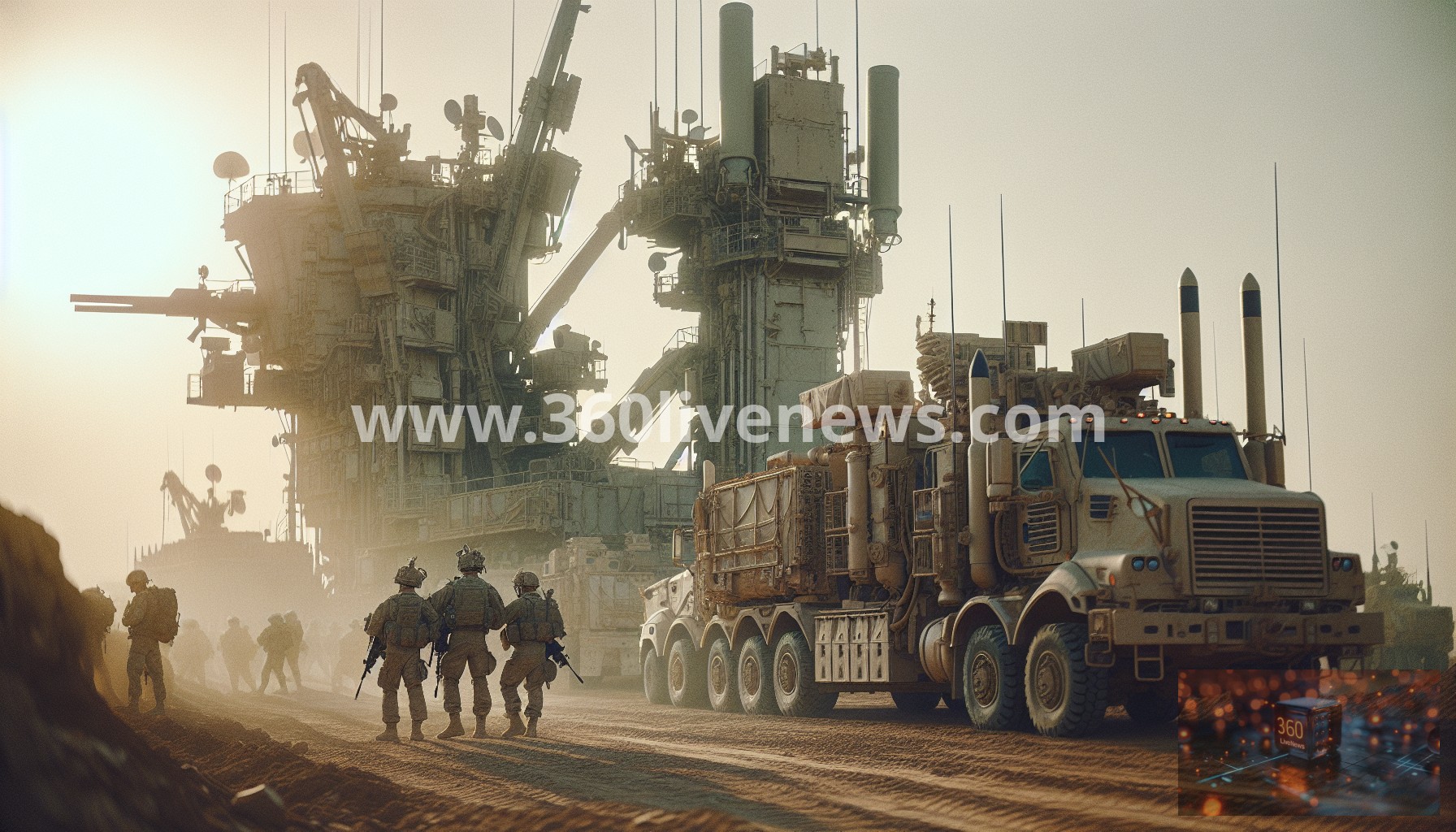
As the conflict in the Middle East escalates, the United States is significantly increasing its military presence in the region. U.S. officials confirmed that additional Marines and warships are being deployed in response to ongoing aerial bombardments and artillery strikes. This military maneuver comes as Iran's response to these strikes has demonstrated a surprising resilience, challenging initial expectations set during previous administrations.
The recent escalation of hostilities, particularly involving strikes by Israel and the U.S. against Iranian targets, has contributed to heightened tensions in the region. Reports indicate that the strikes have created a chaotic environment for international shipping routes, adding urgency to the military deployments. The U.S. military's strategic adjustments aim to deter further Iranian aggression and reassure allies in the Gulf, which remains critical for global trade and security.
The ramifications of the conflict are not confined to military maneuvers alone; they are also affecting Economy" target="_blank" rel="nofollow noopener">economies far beyond the immediate combat zones. Australia" target="_blank" rel="nofollow noopener">Australian exporters are particularly feeling the strain, facing surging "war risk" costs that complicate logistics for air and sea transportation into the Gulf and Europe. Emergency freight surcharges are driving up costs, which economists warn will ultimately impact consumers and contribute to inflation pressures across markets.
In the realm of trade, these developments come at a precarious time for the Australian economy. With increasing shipping costs set to be passed onto consumers, the potential for rising inflation and subsequently higher interest rates is now more pronounced. The chaos experienced by shipping lines and air freight since the initiation of the strikes has led to significant delays and operational disruptions, severely impacting the ability of exporters to maintain stable supply chains.
This evolving situation reflects broader geopolitical tensions that have long characterized U.S.-Iran relations, as well as the complex web of alliances and rivalries in the Middle East. The strategic interests of the U.S., Israel, and their Gulf allies contrast sharply with Iran's objectives, resulting in a landscape marked by conflict and diplomatic maneuvering. History has shown that military engagements in the region often lead to prolonged instability and unpredictable consequences.
Furthermore, the ongoing military operations highlight the critical nature of U.S. maritime strategy in the Persian Gulf, a vital corridor for global oil shipments. With a significant percentage of the world's oil passing through the Strait of Hormuz, the security of these shipping lanes is paramount. Military analysts suggest that the augmented presence of U.S. forces serves both as a deterrent to Iranian provocations and a reassurance to Gulf allies like Saudi Arabia and the United Arab Emirates.
Insights into the broader economic implications of this conflict reveal a worrying trend for international markets. Businesses are adapting to the volatile situation, marking a shift in how companies assess risk factors associated with trade routes affected by military action. The knock-on effects of such risks extend beyond immediate shipping costs, potentially influencing global supply chains and market dynamics across multiple sectors.
In conclusion, the situation in the Middle East is a dynamic and rapidly evolving crisis, with considerable implications for regional security and international trade. The U.S.'s decision to bolster its military presence reflects a strategic response to an increasingly volatile environment. As the situation continues to unfold, the interconnectedness of military and economic factors becomes increasingly evident, underscoring the need for careful monitoring of developments in the region.
#Iran #Israel #USMilitary #Australia #Economy #Shipping #Trade #MiddleEast
