

Iran conflict leads to rising petrol prices in the US, impacting household budgets and causing concern among drivers
The ongoing conflict involving Iran has reached a critical stage as the repercussions are increasingly felt both domestically in the United States and abroad. Reports indicate that the war has led to soaring petrol prices in the US, significantly affecting household budgets. Drivers at petrol stations, such as the Liberty petrol station in Washington, express shock at the rising costs, with one customer stating, "We are paying the price" of the conflict. The situation has left many bewildered about the economic implications of a war they feel they did not support. As the situation in Iran continues to escalate, officials... [Continue Reading]


Myanmar Faces Fuel Shortages Amid Ongoing Middle East Conflict and Rationing Policy
The ongoing conflict in the Middle East, particularly following the recent escalation around the Strait of Hormuz, has led to significant disruptions in fuel supplies, impacting nations far beyond the region. In Myanmar, drivers are facing long queues at petrol stations as the country grapples with fuel shortages attributed to the fallout from the hostilities. Since military authorities instituted a rationing policy, individuals can only purchase a limited amount of fuel each week, exacerbating the situation as demand remains high amidst a civil conflict that has ravaged the country since 2021. Recent updates from BBC's South East Asia Correspondent, Jonathan... [Continue Reading]

UN Warns Developing Countries Priced Out of Affordable Finance, Harming Growth
The United Nations has warned that many developing countries face increasing difficulty in securing affordable finance essential for sustainable development, as sovereign credit rating systems often misrepresent their actual credit risk. Credit ratings, which influence the interest rates countries pay in international markets, tend to rely on outdated or incomplete data that overlook the countries’ long-term economic prospects. This mispricing forces these nations to pay more to borrow, restricting their ability to invest in critical development projects such as infrastructure, healthcare, and education. The deputy UN chief, delivering remarks on behalf of the Secretary-General at a special UN Economic and... [Continue Reading]
 360LiveNews | 30 Mar 2026 23:57

Middle East conflict enters critical phase on 31st day with escalating geopolitical implications and global market effects
The ongoing conflict in the Middle East has intensified dramatically, entering what some analysts describe as a critical phase. As the situation unfolds, geopolitical implications are materializing at an unprecedented rate, affecting global markets and international relations. The conflict's 31st day has seen a notable escalation, with significant statements from world leaders, including Pope Leo, who made pointed remarks during Palm Sunday Mass that were widely interpreted as critical of U.S. military strategies. Recent developments indicate that the humanitarian crisis is worsening, with international agencies raising alarms over the potential for escalating violence. Amidst these events, Pope Leo explicitly addressed... [Continue Reading]


Malaysian traders warn of potential 50% price increase for essential food items amid rising fuel costs
As fuel prices continue to soar, Malaysian traders are warning of a potential price increase of up to 50% for essential food items. This surge in costs threatens to significantly impact businesses that are already grappling with narrow profit margins. Rosli Sulaiman, president of the Federation of Malaysian Hawkers and Traders Associations, has highlighted that traders have no choice but to raise prices due to increasing costs of raw materials essential for popular dishes, such as roti canai and nasi lemak. The alarming forecast comes on the heels of a consistent rise in food prices, which have already escalated between... [Continue Reading]
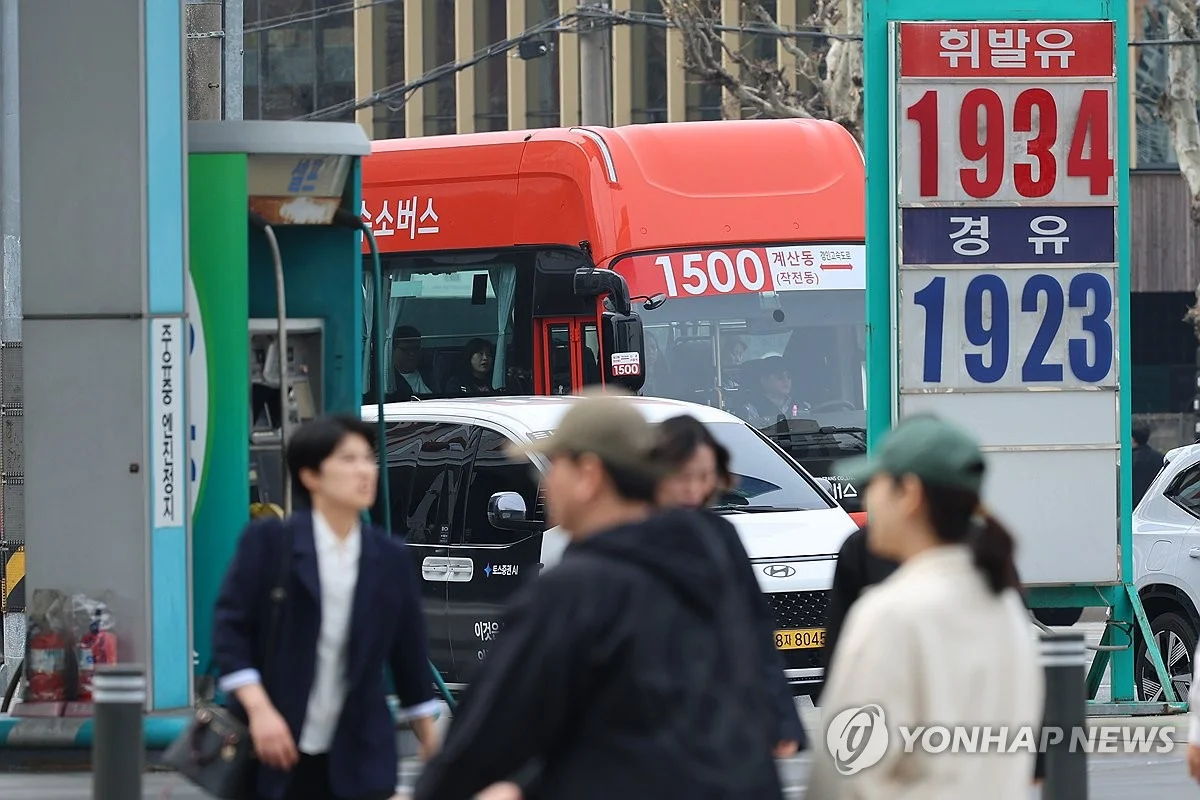
South Korea Cracks Down on Gas Stations Over Illegal Fuel Price Hikes
South Korea's Industry Minister Kim Jung-kwan led a special inspection on March 30 targeting a Seoul gas station accused of charging gasoline and diesel prices above the government's regulated ceiling. This action follows the government's recent decision to raise wholesale price caps by 210 won per liter due to a global surge in oil prices, setting new ceilings at 1,934 won (around $1.28) for gasoline and 1,923 won for diesel. The spot check revealed that the particular gas station increased its retail fuel prices beyond these official limits, prompting Kim to promise a stern government response against such practices. This... [Continue Reading]
360LiveNews | 30 Mar 2026 08:33


Prime Minister convenes national cabinet to address Australia's fuel crisis and introduce new legislative powers for fuel delivery
This morning, Prime Minister Anthony Albanese convened a national cabinet meeting with state and territory leaders to address the growing fuel crisis in Australia. The meeting aims to establish a cohesive response amid surging petrol prices and concerns over supply disruptions triggered by recent geopolitical tensions, particularly related to the ongoing conflict affecting fuel imports. As part of the government's strategy, new legislative powers will be introduced today allowing the federal government to underwrite the delivery of additional fuel shipments. Albanese announced this legislative move over the weekend as part of the government's response to the escalating prices due to... [Continue Reading]

U.S. reportedly fires over 850 Tomahawk missiles at Iran in four weeks amid concerns over weapon supply
In a significant escalation of military operations in the Middle East, the U.S. has reportedly fired more than 850 Tomahawk missiles against Iran in just four weeks. This aggressive strategy has raised alarms among some Pentagon officials due to concerns about the limited supply of these high-precision weapons. As the campaign unfolds, insiders indicate that the military action is becoming a prolonged engagement, significantly impacting both regional stability and global economic conditions. The U.S.-Israeli operation, now entering its second month, is seeing a cascading effect on the economies involved. Analysts predict that escalating tensions and conflict could drive oil prices... [Continue Reading]

Australian Parliament Passes Legislation to Double Penalties for Price Gouging Amid Rising Fuel Prices
The Australian federal parliament has passed new legislation aimed at doubling penalties for price gouging, responding to escalating fuel prices that have affected consumers nationwide. This legislative move comes as the backdrop of a prolonged conflict in the Middle East, which has put pressure on fuel supplies globally, impacting Australia directly. The new measures were approved just hours ago, marking a significant step by the government to manage economic fallout stemming from international tensions. Deputy Prime Minister Richard Marles addressed concerns on morning television, affirming that over 500 petrol stations across Australia are currently without at least one type of... [Continue Reading]