Australian Parliament Passes Legislation to Double Penalties for Price Gouging Amid Rising Fuel Prices
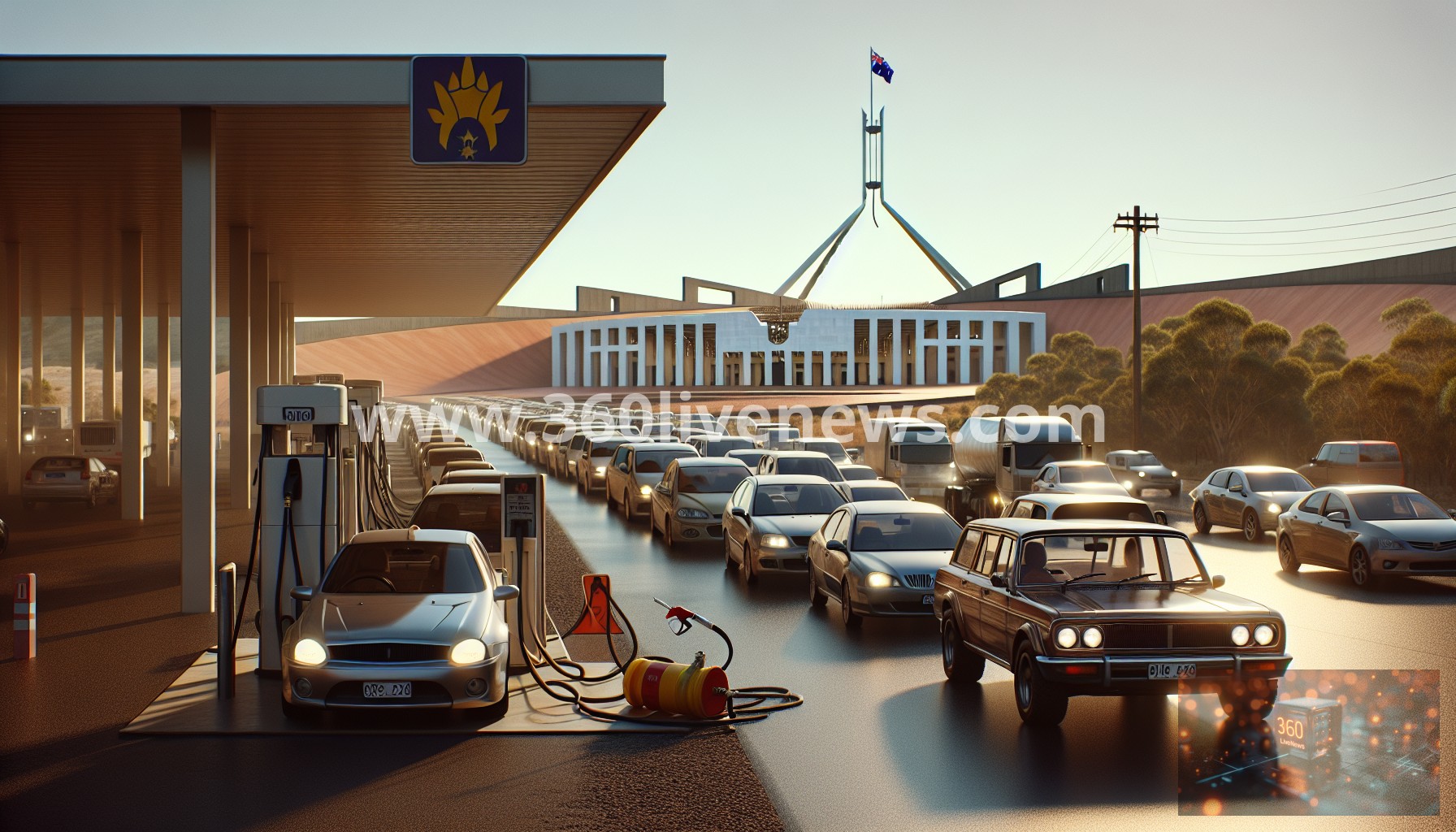
The Australian federal parliament has passed new legislation aimed at doubling penalties for price gouging, responding to escalating fuel prices that have affected consumers nationwide. This legislative move comes as the backdrop of a prolonged conflict in the Middle East, which has put pressure on fuel supplies globally, impacting Australia directly. The new measures were approved just hours ago, marking a significant step by the government to manage economic fallout stemming from international tensions.
Deputy Prime Minister Richard Marles addressed concerns on morning television, affirming that over 500 petrol stations across Australia are currently without at least one type of fuel. Marles reassured the public, stating that Australia is receiving fuel shipments as expected, and urged people not to engage in panic-buying, which could exacerbate supply issues. The government hopes that with stricter penalties in place, it can curb any unethical price spikes during this period of unrest.
The energy minister's comments in parliament also highlighted the potential future challenges regarding the supply of products critical to agriculture, notably urea, which plays a vital role in crop production. Marles acknowledged that these challenges may arise if the military conflict in the Middle East continues, which compounding issues of supply chains that have already been disrupted.
Fuel shortages have been a recurring issue amid rising global tensions, particularly evident in the current Middle East situation. Recent discussions have emerged regarding ceasefire negotiations involving Iran, where U.S. President Donald Trump claimed that Iran is "desperate" for a ceasefire amid ongoing hostilities. However, Iranian officials have refuted this, stating there are no direct negotiations with the U.S., indicating a complex diplomatic landscape.
Mediators, including Pakistan, are reportedly involved, passing messages between the U.S. and Iran regarding a proposed 15-point plan aimed at ending the violence. While the framework of potential peace talks exists, the actual progress remains uncertain, with both sides maintaining a significant distance in their positions. Trump’s declaration reflects the officially tense and precarious situation, influencing global markets and commodity prices.
The Australian government's swift action to address domestic fuel pricing issues raises important questions about economic resilience in the face of geopolitical instability. This legislative change aims to protect consumers from exploitative practices during times of crisis, positioning the government as proactive in safeguarding economic stability amidst rising international pressures. However, its implementation will require vigilant monitoring to ensure compliance from fuel retailers.
The decision to prioritize legislative measures against price gouging in this context can also be seen as a broader strategy to maintain public trust and avert potential civil unrest that may arise from rising living costs. The economic implications of the Middle East conflict extend far beyond fuel prices, impacting food production and supply chains, with the ripple effects evident in various sectors.
The developments in Australia must also be viewed through the lens of international relations, particularly given Australia’s alliances and the importance of navigating conflicting interests in the Middle East. The situation remains dynamic, with ongoing military actions likely to continue affecting not only fuel supplies but also diplomatic relations worldwide.
#Australia #Prices #Fuel #Gouging #MiddleEast #Diplomacy #Trump #Iran
