Middle East conflict enters critical phase on 31st day with escalating geopolitical implications and global market effects
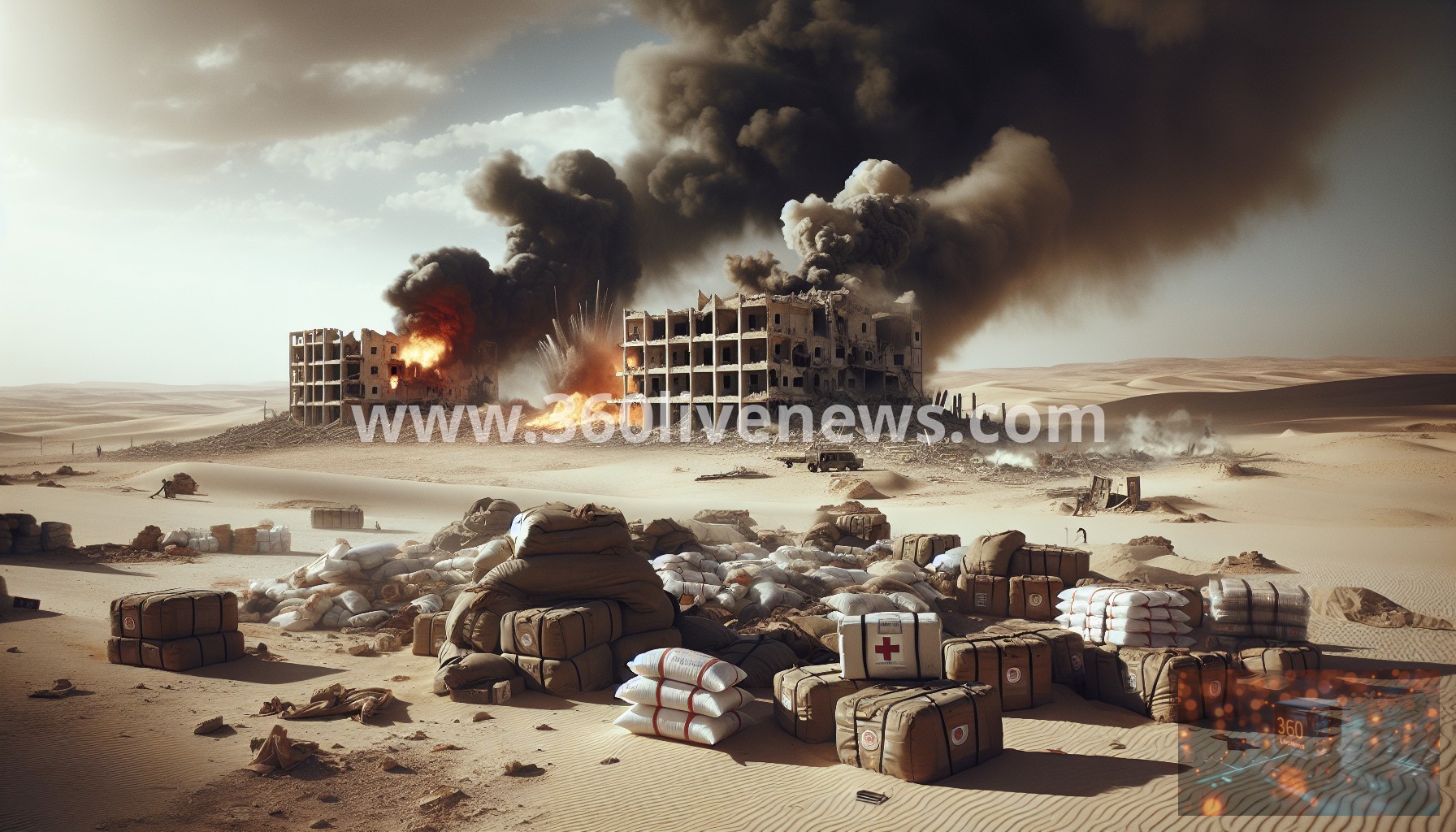
The ongoing conflict in the Middle East has intensified dramatically, entering what some analysts describe as a critical phase. As the situation unfolds, geopolitical implications are materializing at an unprecedented rate, affecting global markets and international relations. The conflict's 31st day has seen a notable escalation, with significant statements from world leaders, including Pope Leo, who made pointed remarks during Palm Sunday Mass that were widely interpreted as critical of U.S. military strategies.
Recent developments indicate that the humanitarian crisis is worsening, with international agencies raising alarms over the potential for escalating violence. Amidst these events, Pope Leo explicitly addressed the implications of war in his speech, stating that "Jesus does not listen to the prayers of those who wage war," referencing the adverse consequences of current military actions. His remarks reflect a growing concern among world leaders about the moral implications of ongoing hostilities in the region.
In related news, crucial sites in the Middle East, particularly Kharg Island, have been highlighted as targets amidst escalating threats from high-profile figures, including the U.S. Secretary of War, Pete Hegseth. His recent declarations advocating for aggressive military action have provoked strong international backlash and continued condemnation from various quarters, compounding the already tense atmosphere.
Analysts suggest that the geopolitical stakes are higher than ever, with potential implications for international stability. As military actions unfold, nations are watching closely, considering their positions and responses in light of increasing tensions. The United Nations and other international bodies are under pressure to address the humanitarian ramifications, as the need for collective action becomes more urgent.
In addition, the economic repercussions stemming from the conflict are becoming evident. Oil prices have fluctuated significantly, as outlined by recent reports. Petrol stations in major Australian cities, such as Brisbane, Sydney, and Melbourne, initially hiked prices in response to rising global oil prices tied to the conflict but have since reduced markups drastically due to increased scrutiny and regulatory pressures.
Notably, it's reported that petrol retailers had previously maintained a profit margin exceeding 15 cents per litre above wholesale prices, which has dramatically narrowed to around 4 cents per litre in recent weeks. This shift indicates a direct response to the crisis's economic implications and the pressures exerted by consumer watchdogs and public sentiment amid fuel pricing concerns.
The situation on the ground remains fluid, with reports emerging of civilian casualties and the plight of migrant workers in affected regions. Recent initiatives to protect these vulnerable populations are revealing stark situations,such as uncovered instances of unpaid wages and threats of modern slavery,driving further dialogue on labor rights amid conflict situations. With unions voicing concerns over cuts to protective programs, the intersection of conflict and workers' rights is becoming increasingly critical.
This convergence of humanitarian and economic issues exemplifies the multi-faceted nature of the conflict, influencing not only regional stability but also global markets and governance policies. As countries reassess their military and economic strategies in response to the conflict, the broader implications for diplomacy and international relations are significant. Experts argue that how nations navigate this crisis may set precedents for future engagements in similar conflicts.
As this developing story progresses, the international community continues to monitor the situation closely, aiming to formulate responses that address both the immediate needs of those affected and the enduring ramifications on global stability. The discussions occurring within international organizations highlight the ongoing need for strategic dialogue and collaborative problem-solving approaches to mitigate further escalation and ensure humanitarian aid reaches those in dire need.
#Iran #MiddleEast #Conflict #PopeLeo #USMilitary #OilPrices #Economy #HumanRights
