Middle East War Threatens to Push 45 Million More into Acute Hunger, UN Warns
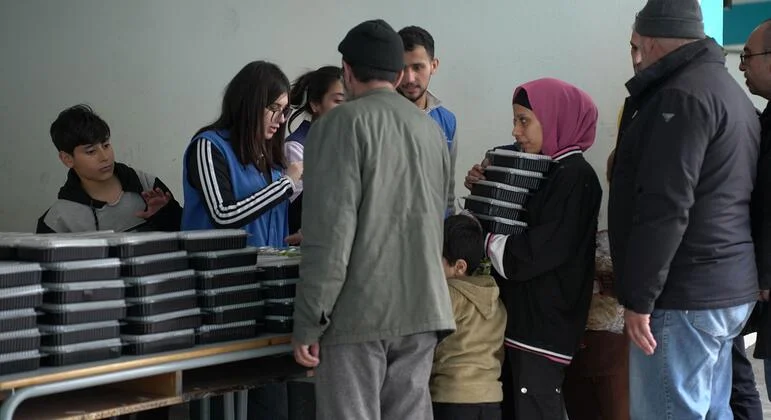
The escalating war in the Middle East is severely disrupting lifesaving humanitarian operations, with the UN World Food Programme (WFP) warning that an additional 45 million people could face acute hunger as a result. The conflict has already impacted Lebanon and other neighboring states, sparking a serious humanitarian crisis. WFP officials highlighted critical strains on supply chains essential for delivering aid. UN Secretary-General António Guterres reiterated calls for a ceasefire and full implementation of Security Council resolutions, including Resolution 2817 which condemns attacks by Iran on neighboring countries. The intensifying conflict compromises not only regional stability but also global humanitarian... [Continue Reading]
 360LiveNews | 17 Mar 2026 17:45

UK Highlights Enduring Importance of UN Resolution 1540 in Countering WMD Threats
At a recent UN Security Council meeting, the United Kingdom underscored that Resolution 1540 remains a vital tool in the global fight against the proliferation of weapons of mass destruction (WMD) to terrorist groups and criminal networks. This resolution is the only universal legal framework obligating all states to prevent non-state actors from acquiring nuclear, chemical, or biological weapons and their delivery systems. The UK highlighted ongoing challenges posed by the rapid spread of advanced technologies worldwide, which increase the risks of WMD proliferation. To address these threats, the statement praised Panama's stewardship of the 1540 Committee in 2025, noting... [Continue Reading]
360LiveNews | 17 Mar 2026 13:57

Qatar Condemns Iranian Attacks in UN Meeting with Kyrgyz Official
Qatar’s Permanent Representative to the United Nations, Sheikha Alya Ahmed bin Saif Al-Thani, met with Edil Baisalov, Deputy Chairman of Kyrgyzstan's Cabinet of Ministers, in New York to address regional security concerns. During the meeting, Qatar condemned attacks by Iran against its territory, citing ongoing violations and invoking UN Security Council Resolution 2817, which calls for the immediate halt of such assaults on Gulf states. Kyrgyzstan affirmed its solidarity with Qatar and underscored the necessity of regional stability to prevent escalation. The conversation reflects growing international concern over Iranian military actions that threaten Gulf countries’ sovereignty and raise security risks... [Continue Reading]
360LiveNews | 17 Mar 2026 13:45

GCC and UK Condemn Iran’s Attacks on Gulf States in UN Resolution
The Gulf Cooperation Council and the United Kingdom have jointly condemned a series of attacks launched by Iran against the GCC member states and Jordan. These strikes targeted civilian infrastructure including oil and service facilities, as well as residential areas, causing civilian casualties and extensive damage. The condemnation was formalized in UN Security Council Resolution 2817, adopted in March 2026. The attacks not only violate international law but also undermine regional peace and security. GCC countries, heavily reliant on oil exports, face significant risks to their economic stability as vital energy infrastructure is threatened. The civilian population suffers from the... [Continue Reading]
360LiveNews | 16 Mar 2026 11:12


Saudi Arabia and UAE condemn Iranian attacks ahead of UN Security Council meeting on regional tensions
In the latest escalation of tensions in the Middle East, Saudi Arabia and the United Arab Emirates (UAE) have publicly condemned Iranian attacks. This condemnation comes ahead of a United Nations Security Council meeting, where the actions of Iran are expected to be addressed. The ambassadors of both countries to the UN made the statements, which underline the growing concern among Gulf nations regarding Iran's military activities and its influence in the region. This diplomatic move comes shortly after an incident in Beirut, where an Israeli strike targeted a residential area in the Aicha Bakkar neighborhood early on March 11.... [Continue Reading]