Saudi Arabia and UAE condemn Iranian attacks ahead of UN Security Council meeting on regional tensions
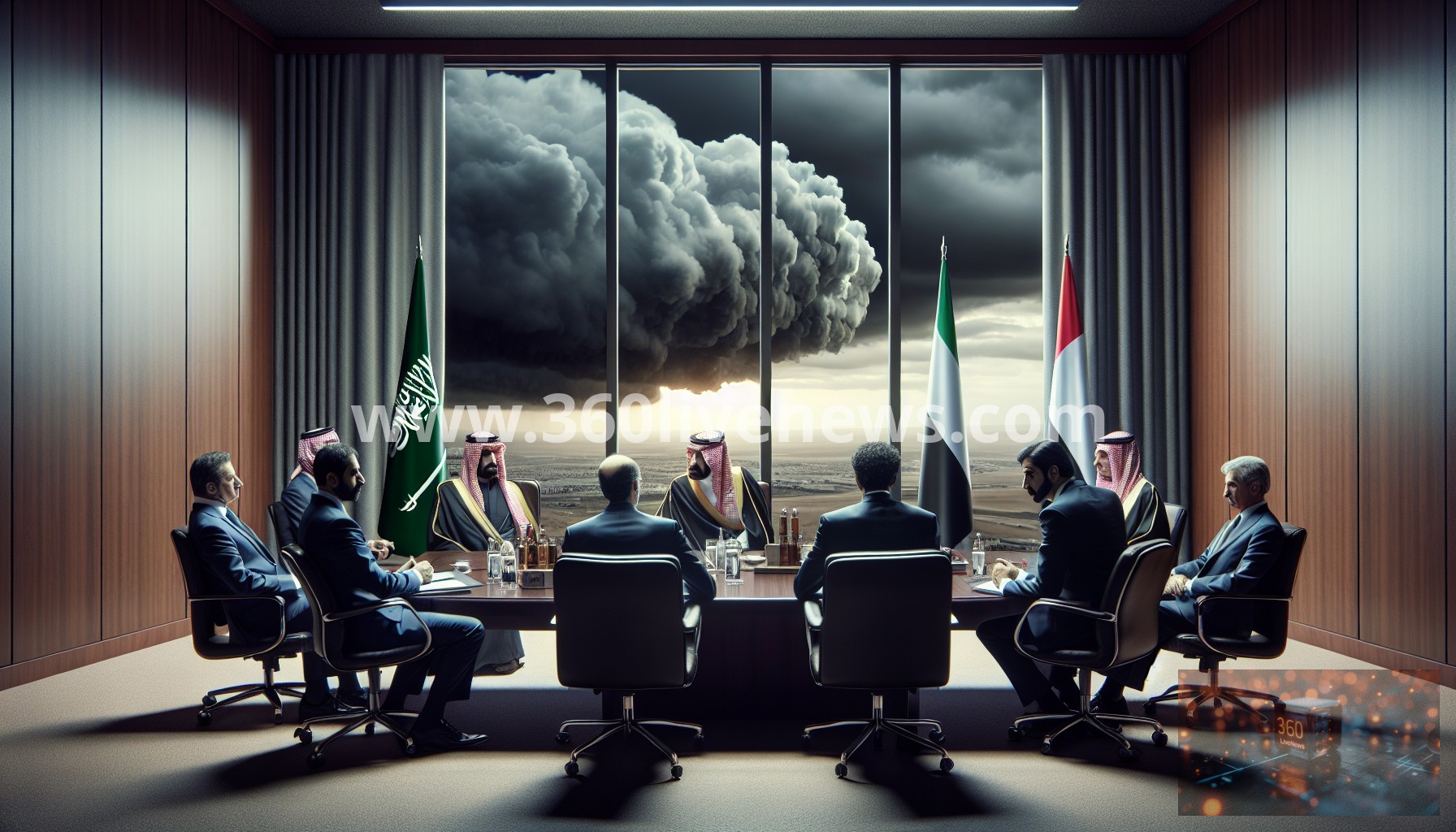
In the latest escalation of tensions in the Middle East, Saudi Arabia and the United Arab Emirates (UAE) have publicly condemned Iranian attacks. This condemnation comes ahead of a United Nations Security Council meeting, where the actions of Iran are expected to be addressed. The ambassadors of both countries to the UN made the statements, which underline the growing concern among Gulf nations regarding Iran's military activities and its influence in the region.
This diplomatic move comes shortly after an incident in Beirut, where an Israeli strike targeted a residential area in the Aicha Bakkar neighborhood early on March 11. Reports indicate that around 5:20 AM, residents heard explosions, with at least two significant blasts occurring which resulted in damage to a residential building. The Lebanese Ministry of Health reported that four individuals sustained injuries from the attack, although specific details regarding the nature of their injuries have not been disclosed.
Eyewitness accounts have highlighted the panic experienced by residents. One resident, Mohammad al-Ahmad, described the moment the first explosion jolted him awake, quickly followed by a second blast that caused considerable destruction, including debris spreading across the street. The incident has drawn attention, not just for the immediate injuries caused, but for its implications concerning Israel's ongoing military operations in Lebanon, particularly against what it claims are militant targets.
According to Israeli media reports, the building hit was associated with the Jama’a Islamiye, an organization that has denied any ties to the targeted building. This has further stirred debate about Israeli operational justification in the region. The Israeli government often maintains that its military actions are necessary to preemptively strike groups it considers a threat.
Saudi Arabia and the UAE's reaction is not merely a detached diplomatic stance; it reflects a broader geopolitical context where both Gulf monarchies view Iranian influence with suspicion. Iran has been consistently accused of supporting various proxy groups across the Middle East, which have the potential to destabilize regional security. This period of animosity may have significant implications on future diplomatic relations and security strategies in the Gulf region and beyond.
The repercussions of these events are being closely monitored by various international bodies, particularly given the fragile security landscape in the Middle East. This escalation may lead to increased military vigilance from both Gulf states and Israel, as well as a potential realignment of alliances and resentments. Official statements from the Saudi and UAE governments are likely to be framed within the context of regional security and their ongoing efforts to counteract Iranian influence.
As the situation develops, the consequences for local residents in Beirut and the broader Lebanese community could be profound. The Israeli strikes could provoke a response from Hezbollah or other groups, potentially marking the beginning of a new cycle of violence in Lebanon. In this environment, the actions taken by international bodies, such as the UN Security Council, will be critical in determining the future stability of the region.
The current point of contention illustrates a long-standing conflict in the Middle East, characterized by complex alliances and rivalries. Both Saudi Arabia and the UAE have historically positioned themselves against Iranian activities perceived as destabilizing, forging partnerships with other regional powers and the United States to contain what they view as Iranian expansionism. Such strategic moves have significant ramifications for international relations, arms control, and regional security initiatives.
Ultimately, these recent events underscore the need for comprehensive dialogues to address the underlying causes of conflict. The international community's ability to mediate effectively will be crucial as tensions continue to rise. A failure to address these issues, especially through established diplomatic channels, could lead to a further escalation of military actions and deepen the humanitarian crises affecting civilians in conflict zones like Beirut.
#Lebanon #SaudiArabia #UAE #Iran #Israel #UNSecurityCouncil #MiddleEast #Conflict
