Kidnapping of journalist Shelly Kittleson by Iranian-aligned militia raises diplomatic tensions in Iraq
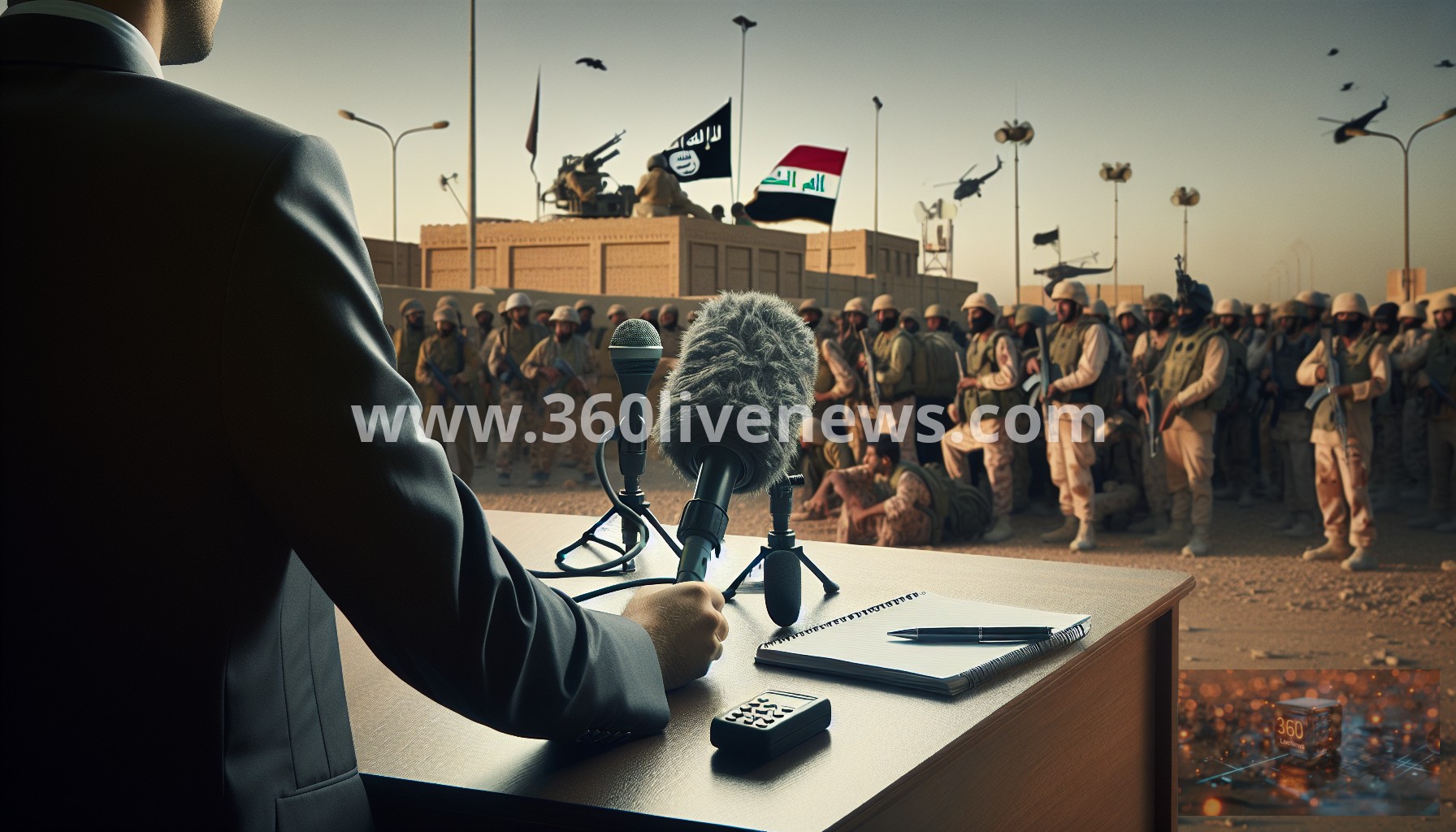
The kidnapping of journalist Shelly Kittleson by an Iranian-aligned militia in Iraq has intensified recent diplomatic tensions. The group, Kataib Hezbollah, is seeking to negotiate her release by demanding the release of its members who are currently detained by the Iraqi government. This situation comes amid a backdrop of rising hostilities involving Iranian-backed entities in Iraq and the broader Middle East.
Details regarding the conditions of Kittleson's captivity remain scarce, with various news outlets confirming her abduction but providing few specifics about her situation. Her kidnapping raises significant concerns about the safety of journalists in conflict zones, particularly those operating in areas heavily influenced by militia groups. She is recognized for her reporting within the region, making this incident particularly alarming for press freedom advocates.
Kataib Hezbollah, classified as a terrorist organization by some nations, has grown in both strength and political influence in Iraq. The militia operates under the umbrella of the Popular Mobilization Units, which were formed to combat the Islamic State and have since become key players in Iraqi politics and security. The ongoing negotiations emphasize the militia's leverage over the Iraqi government, which faces internal divisions and increasing pressure to address its militia problem.
Media reports have highlighted the deteriorating situation for journalists in Iraq, particularly since the rise of Iranian influence in the region. With several foreign nationals and Iraqi journalists previously targeted, Kittleson's kidnapping marks a continuing trend of violence against media representatives. The swiftly deteriorating security conditions pose serious questions about how viable it is for journalists to operate in Iraq without fear of violence.
Furthermore, the implications of these events extend beyond Kittleson herself. Negotiations involving her release could potentially set precedents for how governments deal with similar hostage situations in the future, especially regarding engagement with militant groups. This dynamic complicates how authorities balance negotiation tactics with efforts to discourage further kidnappings, as yielding to demands may encourage subsequent incidents.
Israeli concerns have also resurfaced in the context of this kidnapping, particularly regarding Iranian influence in the region. Israel frequently highlights the growing power of Iranian proxies such as Kataib Hezbollah in destabilizing the Middle East. Analysts argue that any shift in this delicate balance could have far-reaching consequences for regional security and Iranian networking strategies.
The Iraqi government now faces pressure on multiple fronts. Not only does it have to manage the delicate negotiations with Kataib Hezbollah, which could bolster their already significant influence, but it also has to consider international relations, particularly with the U.S., which has been monitoring the situation closely given their historical stance against Iranian aggression in the region.
In summary, the ongoing negotiations for the release of journalist Shelly Kittleson emphasize the complex interplay between media safety, militia influence, and international diplomacy. As this situation unfolds, it will be crucial for the Iraqi government, alongside international stakeholders, to navigate these issues carefully, aiming to safeguard Kittleson while addressing the broader implications of militia negotiations.
#Kidnapping #ShellyKittleson #Iraq #KataibHezbollah #Journalism #MiddleEast #PressFreedom #Militia
