Protests Erupt Outside US Supreme Court Over Birthright Citizenship Law Changes
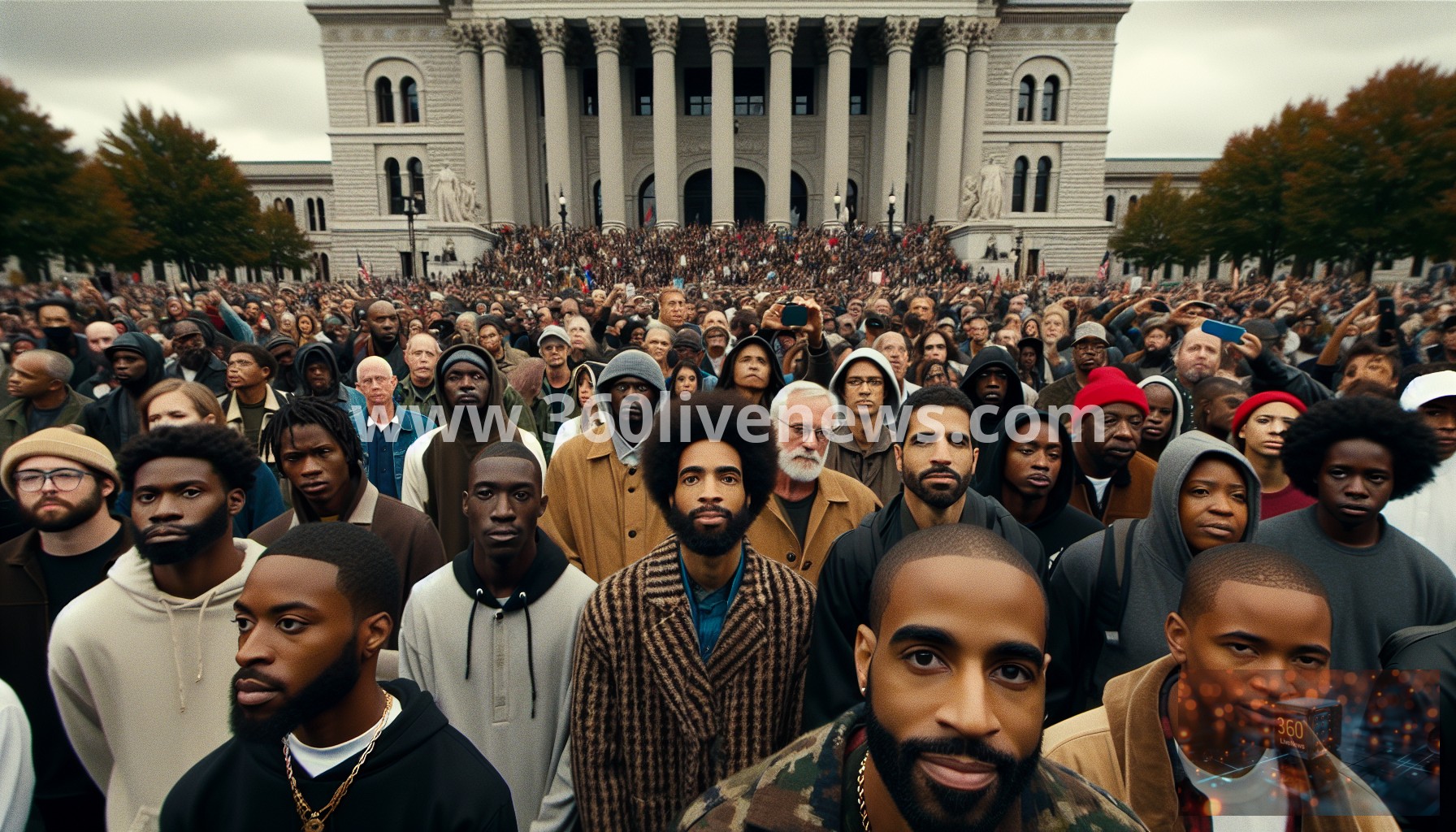
Protests surged outside the US Supreme Court as demonstrators gathered to oppose potential changes to the birthright citizenship law, a contentious issue raised by directives from President Donald Trump. The court heard vital arguments regarding the administration's attempt to restrict this long-standing interpretation of the 14th Amendment, which guarantees citizenship to those born on US soil. The protests added a physical embodiment to the significant legal discussions taking place inside, reflecting the urgency and emotional weight of the topic at hand.
Approximately 250 activists gathered on the steps of the Supreme Court, amplifying their voices in support of birthright citizenship. The demonstrators carried signs and chanted slogans such as “We are an immigrant nation,” underlining their commitment to defending the rights outlined in the 14th Amendment. Among the onlookers was President Trump himself, marking an unprecedented moment as he observed the peaceful protest from the public gallery, symbolizing the high stakes involved in this legal battle.
Among the demonstrators, Beija McCarter, an eighth-grade US history teacher, expressed concern over the governmental rhetoric that frames immigrants negatively. “Checks and balances only work if there’s balance, and we’re not really having that,” she remarked, highlighting her own complex citizenship journey as a Brazilian born to American military parents. McCarter's experience emphasizes the importance of acknowledging the invaluable contributions immigrants make to society, countering prevalent myths about their economic impact.
Noah Goldstein, a New Yorker at the rally, echoed sentiments of skepticism regarding the Supreme Court's upcoming rulings. “All nine of those justices in there know that birthright citizenship is codified in the 14th Amendment,” he stated, questioning whether the justices would uphold this fundamental principle. Goldstein's comments reflect a broader anxiety among advocates that the court may veer away from established constitutional interpretations that protect immigrant rights amidst a politically charged environment.
The backdrop to this legal drama lies within the historical framework of birthright citizenship in the United States, which has been consistently upheld for generations. The 14th Amendment, ratified in 1868, was shaped in the wake of the Civil War to ensure citizenship for former slaves and their descendants. Over the decades, this constitutional guarantee has allowed millions of individuals born in the country to automatically acquire citizenship, fostering a diverse population that forms the bedrock of the nation’s identity.
However, Trump’s directive to reevaluate this principle has unleashed a wave of legal challenges, encountering fierce opposition from immigrant rights advocates and organizations. This step has prompted court battles across the nation, and the stakes of the current Supreme Court case are exceptionally high, threatening to overturn long-standing protections that many see as vital to American democracy.
As legal experts analyze the situation, the implications of these arguments resonate well beyond the court's decision. They touch on the broader themes of immigration policy, national identity, and the interpretation of constitutional rights in a climate marked by divisiveness and political turbulence. Current dynamics reveal a fundamental struggle over how America defines itself, with the specter of legal limitations on citizenship raising alarms for many who view immigration as essential to the nation's fabric.
With public sentiment increasingly polarized on immigration issues, the actions and decisions of the Supreme Court will likely provoke further discourse among various segments of American society. The outcome of this case will not simply influence the legal framework surrounding citizenship but will also impact the lived experiences of countless individuals and families, creating ripples across political, social, and economic domains.
The rally outside the Supreme Court serves as a poignant reminder of these ongoing discussions, illustrating how legal battles can mobilize public sentiment and sway perspectives on fundamental issues. As the judicial proceedings continue, both supporters and critics of the birthright citizenship principle are keenly aware of the implications at stake and remain poised for the developments that lie ahead.
#USSupremeCourt #birthrightcitizenship #immigration #14thamendment #DonaldTrump #protests #immigrantrights #citizenship
