Escalation in Middle East as Iran responds to US strikes with missile attacks and military activity in Isfahan
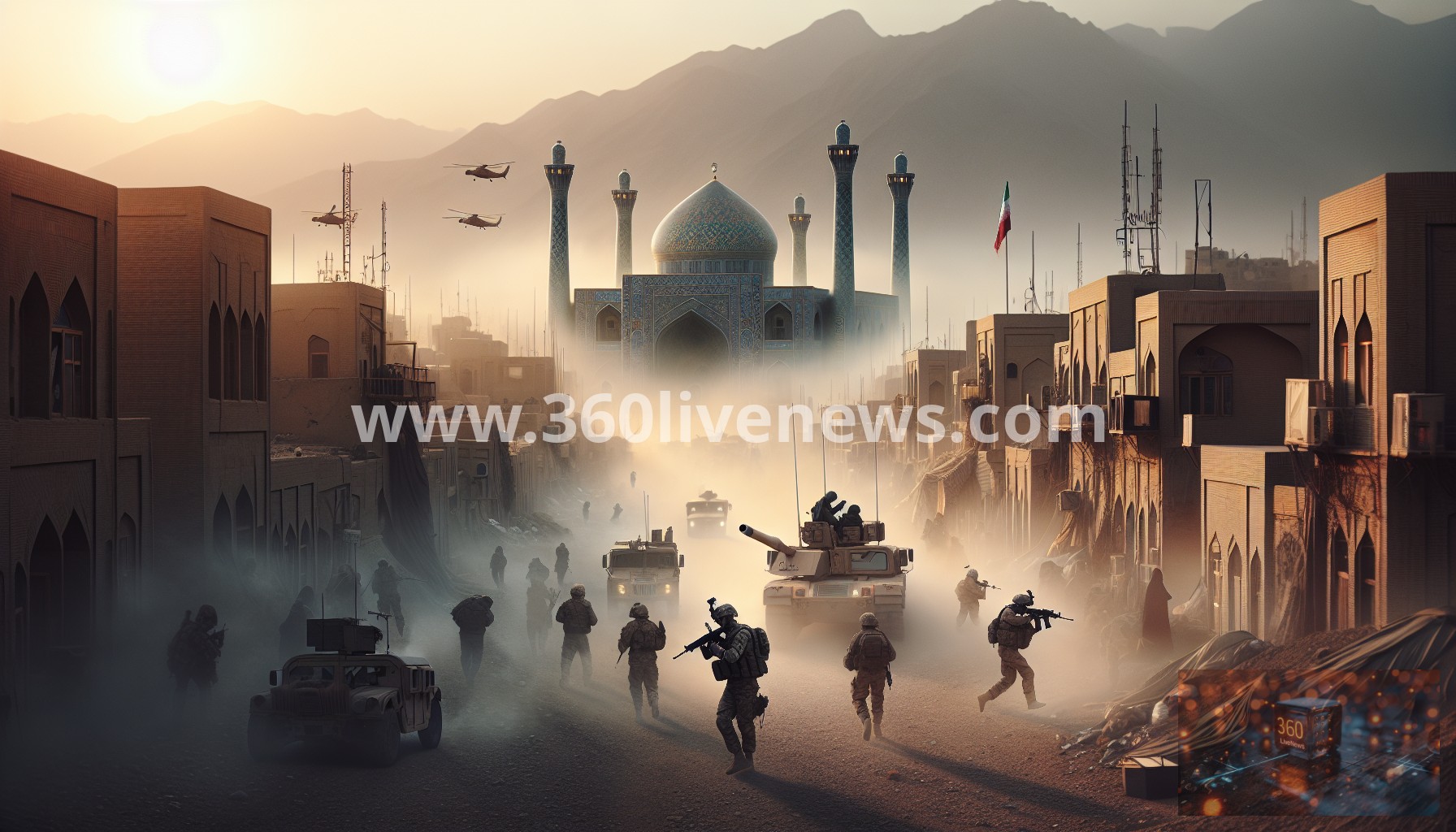
The geopolitical landscape in the Middle East has taken a dramatic turn following a recent series of strikes in central Iran, particularly in Isfahan, which resulted in massive explosions and plumes of smoke rising from the location. This wave of military activity is in response to earlier United States strikes in the region, leading to an escalation that has seen Tehran launch retaliatory missile strikes aimed at Gulf facilities and conflicts escalating with Israel.
Videos emerging from Isfahan depict the destructive aftermath of these attacks, showcasing significant damage and the intensity of the military strikes. The latest incidents underscore the increasing volatility in the region, as US military actions trigger further Iranian retaliation. Reports indicate that this military confrontation is not isolated but part of a broader pattern of hostilities involving Iran and Israel, with Iran capitalizing on the moment to impose retaliatory measures against perceived threats.
Confirming the escalating situation, British Prime Minister Keir Starmer announced that the United Kingdom is convening a coalition of 40 nations to address the turbulent conditions in the Strait of Hormuz, a critical shipping route that is primarily threatened by Iran’s recent military behavior. This virtual meeting, chaired by UK Foreign Secretary Yvette Cooper, is poised to explore diplomatic and political strategies aimed at facilitating access to this vital waterway, a key passage for the world’s oil supply.
The persistent conflict in the Strait of Hormuz stems from a series of incidents where Iranian forces have threatened commercial shipping, effectively halting almost all maritime traffic. With oil prices already soaring due to the uncertain security situation, the coalition’s discussions will play a crucial role in shaping the economic landscape of global oil markets, particularly in relation to the United States and Iranian interests.
Pakistan's Foreign Ministry has stepped in to express its intention to mediate discussions between the US and Iran despite significant obstacles. This comes on the heels of a provocative statement from US President Donald Trump, who threatened to “bomb Iran back to the Stone Ages” if diplomatic solutions are not accepted. The remarks from Trump have been met with stern warnings from Tehran, continuing the cycle of threat and retaliation that has characterized US-Iran relations.
As negotiations stagnate, analysts note that Trump's rhetoric is reminiscent of past military strategies employed by the US but warns of potential violations of international law through carpet bombing. The implications of such a conflict reach far beyond Iran and the US, as historical patterns of aggression indicate that protracted conflict can destabilize entire regions.
Adding to the complexity of the situation, US military support and strategy in the region have often been met with backlash, and Trump's statements reflect a robust stance that risks further alienation of Iranian leadership and could escalate military engagements. The various factions involved, Iran, the US, Israel, and the UK-led coalition, highlight the multifaceted diplomatic and security challenges looming over the horizon in the Middle East.
The significance of these developments cannot be overstated, as they depict not only a crisis in military engagements but also the broader ramifications for global diplomatic efforts aimed at peace. If the trajectory of these conflicts continues unchecked, there is the potential for a significant reordering of power dynamics in the region, with profound repercussions felt worldwide.
As diplomatic efforts continue, the focus remains on finding a balance between military action and political dialogue. The international community, including organizations such as the United Nations, may need to play a more active role in mediating these tensions to avoid a full-blown conflict that could overshadow stability in the region.
#Iran #US #Israel #UK #StraitofofHormuz #geopolitics #military #diplomacy
