European coalition of 18 countries calls for immediate ceasefire in Israel-Hezbollah conflict
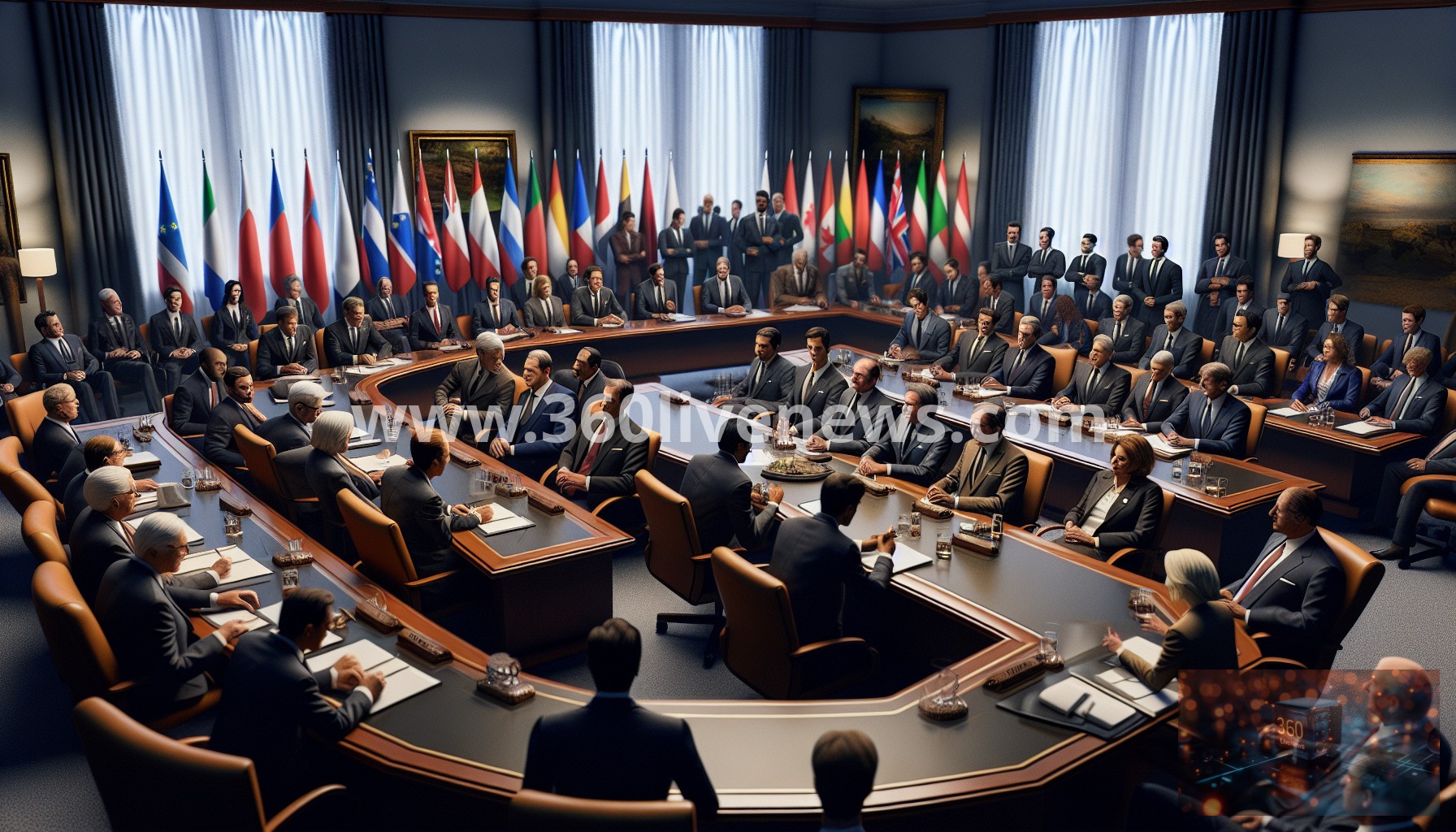
As the conflict between Israel and Hezbollah now enters its second month, a coalition of 18 European countries is calling for an immediate cessation of hostilities. In a joint statement, the foreign ministers from nations such as Ireland, Spain, Belgium, Poland, and Italy have demanded that both Israel halt military operations in Lebanon and Hezbollah cease its attacks. The escalating conflict has raised urgent concerns regarding the sovereignty and territorial integrity of Lebanon, as allegations arise surrounding Israel's ambitions to control parts of southern Lebanon following the conflict.
In their statement, the foreign ministers emphasized the need for both parties to respect Lebanon's borders and to uphold peace in the region. The joint statement comes amid a backdrop of growing violence that has raised international alarms, culminating in the tragic deaths of three Lebanese journalists in an Israeli airstrike. Human rights experts from the United Nations have called for an international investigation into this incident, asserting that Israel has not provided credible evidence linking the journalists to armed groups.
The three journalists, including Ali Shoeib from Al Manar, a channel aligned with Hezbollah, were killed on 28 March during an airstrike in southern Lebanon. This incident has intensified scrutiny on Israeli military actions and their implications for press freedom in conflict zones. The repeated strikes and counterattacks have generated a humanitarian crisis, as local populations are caught in the crossfire without sufficient access to resources and safe havens.
The situation has become critical, particularly since the European nations involved have significant political and historical ties to both Lebanon and Israel. The statement from foreign ministers aims to leverage their diplomatic influence to facilitate negotiations and ultimately bring an end to hostilities. Historically, Lebanon's political landscape has been profoundly affected by external powers, and many view Europe's intervention as necessary for brokering peace due to prior unresolved conflicts in the region, including the Lebanese Civil War.
International responses have been mixed, with some nations advocating for strict measures against Israel's military actions while others express support for Israel's right to defend itself. This complex geopolitical dynamic underlines the challenges of reaching a consensus on approaches to conflicts involving state and non-state actors, such as Hezbollah. The asymmetrical nature of these engagements often complicates diplomatic efforts, making it imperative for European leaders to navigate this volatile situation carefully.
The historical backdrop of the Israeli-Hezbollah conflict traces back to the early 2000s, marked by significant military engagements including the 2006 Lebanon War. The conflict has evolved with each iteration, impacting regional stability and international relations. With diplomatic efforts previously stalled, the renewed calls for a ceasefire indicate a potential shift in the European approach, as nations increasingly acknowledge the urgent need for a sustainable resolution.
Moreover, the European push for ceasefire aligns with broader discussions about the role of international law in conflict situations. The recent events have sparked debates surrounding the legality of military actions undertaken without clear justification or due process. Hence, the advocacy for an international probe into the killings of the journalists represents an essential step in restoring accountability and maintaining international norms related to warfare and civilian protection.
The ramifications of ongoing hostilities extend beyond immediate violence, affecting millions and leading to increased displacement within Lebanon and surrounding areas. Calls for evacuations from conflict zones reflect escalating fears over civilian safety, with many seeking refuge in safer provinces. Understanding the humanitarian impact of these military operations remains vital, as civil infrastructure is sustained under immense pressure, challenging the day-to-day lives of Lebanese citizens.
As European nations make urgent appeals for peace, it remains to be seen how Israel and Hezbollah will respond to these international efforts. In light of a protracted conflict where both sides maintain entrenched positions, the calls for ceasefire underscore a growing recognition of the dangers posed not only to civilians but to regional stability as a whole. The path to de-escalation is perilous, with each moment bringing significant consequences for all involved as the world watches closely.
#Israel #Hezbollah #Europe #Lebanon #Conflict #HumanRights #Diplomacy #Peace
