Myanmar's pro-army parliament elects Senior General Min Aung Hlaing as new president following military leadership transition
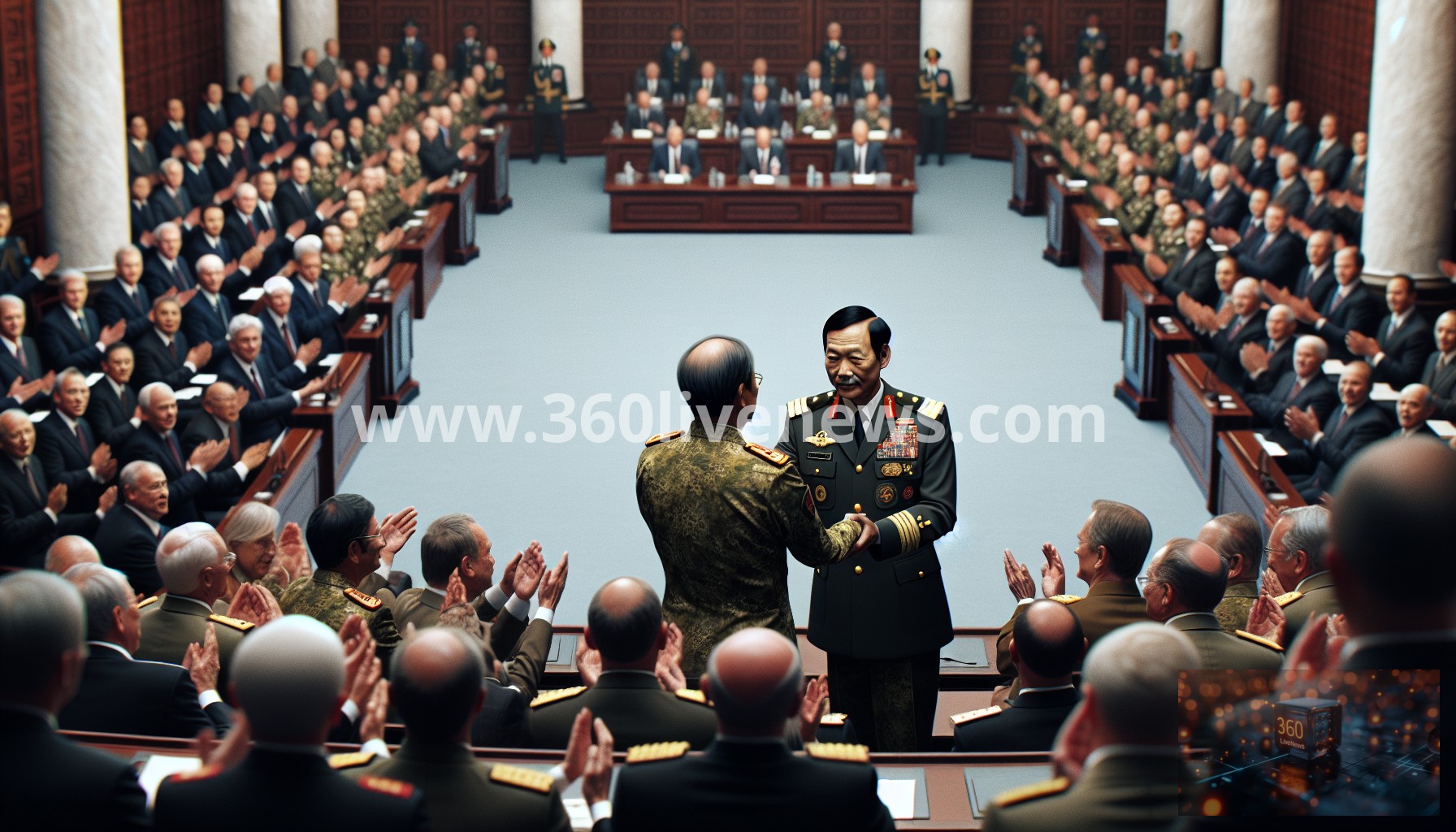
In a significant political development, Myanmar's pro-army parliament has elected Senior General Min Aung Hlaing as the new president. This decision, made on Friday, comes just days after Hlaing officially stepped down from his position as the head of the military to comply with constitutional requirements. The transition allows him to assume the presidency while still retaining considerable power, marking a pivotal moment in the country’s ongoing political turmoil.
Min Aung Hlaing has been a central figure in Myanmar's political landscape since the military coup in 2021, which ousted the democratically elected government led by Aung San Suu Kyi. His recent election was conducted among pro-military MPs in a session of both the upper and lower houses of parliament in Naypyidaw. According to reports, the election process has been criticized as mere "civilian window dressing," failing to meet genuine democratic standards.
The vote resulted in a decisive victory for Hlaing, who garnered significant support compared to his opponents in the three-person race. This election marks another step in the junta's strategy to establish a facade of legitimacy while maintaining strict control over Myanmar's governance and political direction. Observers, including international monitoring groups, have condemned the elections as lacking transparency, raising concerns about the future of democracy in Myanmar.
The backdrop of this election is steeped in conflict and resistance. Following the coup, thousands of Myanmar citizens took to the streets to protest against military rule, demanding the restoration of democracy and the release of political prisoners. The junta's response has been marked by widespread violence, with reports of over 3,000 fatalities since the coup began. As Hlaing embarks on his presidential term, the pressing issue of civilian and political rights remains unresolved, with increased international scrutiny of the junta's actions.
The junta’s ongoing repression and legal frameworks have effectively dismantled the political landscape that existed prior to the coup. Aung San Suu Kyi, the former State Counsellor and leader of the National League for Democracy (NLD), remains in detention, having been sentenced to multiple years in prison under various charges widely considered to be politically motivated. The erosion of her party and the suppression of dissent mark a significant setback for democratic governance in Myanmar, highlighting the power dynamics entrenched within the military.
The international community has responded to Myanmar’s crisis with a mix of condemnation and sanctions targeting military leaders and their economic interests. Nonetheless, the effectiveness of these measures remains in question, as the junta continues to consolidate power without any notable concession. The recent elections and Hlaing's ascent to the presidency further complicate diplomatic engagements, as nations grapple with how to respond to an administration stemming from military rule. Key players in the region, including ASEAN (Association of Southeast Asian Nations), have expressed concerns regarding Myanmar's stability but have struggled to forge a united front in their response.
As Hlaing takes the presidential office, the implications extend far beyond Myanmar's borders. The geopolitical landscape in Southeast Asia faces potential shifts, with rising tensions and concerns regarding human rights abuses fostering regional instability. Neighboring countries are likely to watch closely as the junta's actions unfold, particularly in light of the ongoing refugee crisis stemming from the conflict. Humanitarian organizations continue to report instances of severe human rights violations, further compounding the pressure on regional policymakers to engage effectively with Myanmar.
In summary, Min Aung Hlaing's election as president illustrates the ongoing struggle for power within Myanmar and the challenges facing the international community in addressing this crisis. The prospects for political reconciliation appear dim as the junta maintains its grip, with large portions of the population living under oppressive conditions and advocating for urgent political reform. The coming days will likely yield further developments as the implications of this election resonate throughout Myanmar and the broader region.
#Myanmar #MinAungHlaing #Coup #Election #Parliament #SuuKyi #Junta #ASEAN
