Russian Agents Target Ukrainian Embassy in Ivory Coast with Disinformation Campaign, Investigation Reveals
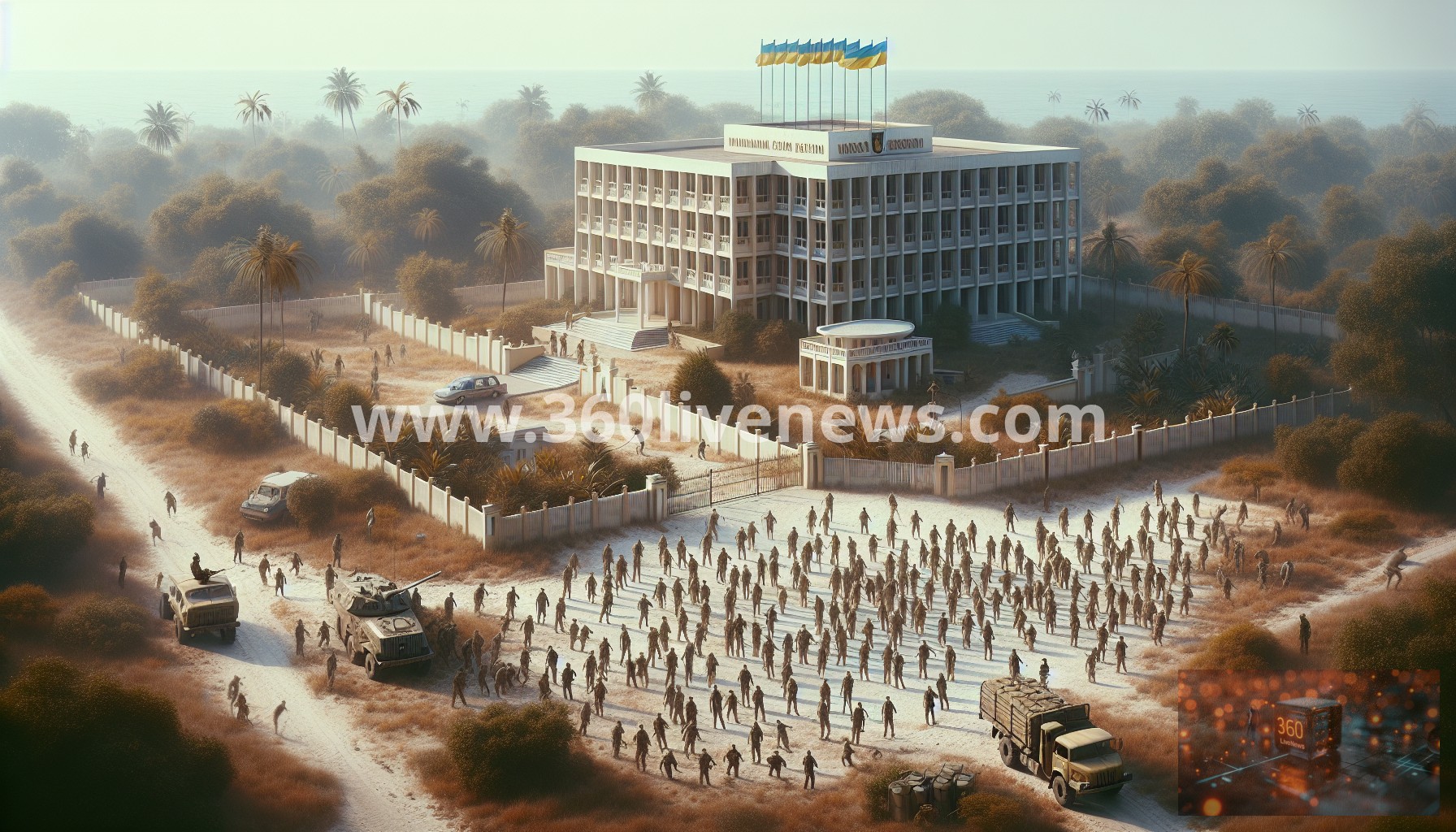
A recent investigation reveals that a network of Russian agents, identified as The Company, has been actively disseminating disinformation targeting the Ukrainian embassy in Ivory Coast. This campaign has gained significant traction, particularly in West African media, showcasing the continuing influence of Russian propaganda efforts across the continent. The leaks, disclosed by FRANCE 24 and analyzed in collaboration with a journalist consortium coordinated by Forbidden Stories, outline how Russia has strategically infiltrated local media to spread their narratives.
In particular, a controversial article published by the Ghanaian news outlet Ghana Web on July 12, 2024, falsely claimed that Ukraine was attempting to recruit Ivorian citizens for combat roles in its armed forces. This misinformation included fabricated recruitment posters in the Ivorian capital, Abidjan, allegedly promoting financial incentives such as a $3,000 signing bonus and promises of European residency to volunteers.
The Ukrainian embassy in Ivory Coast has swiftly denied any involvement with these flyers, stating that their identity has been misappropriated. This incident underscores the challenges faced by foreign nations, particularly Ukraine, in countering disinformation that seeks to undermine their credibility in regions like West Africa, where public opinion can be swayed easily by persuasive narratives.
The leaked documents indicate that this operation is emblematic of a broader strategy employed by The Company in West Africa, where nearly 650 articles have been placed in 35 different French-language media outlets between June and October 2024. This extensive campaign suggests a planned and centralized effort to manipulate public discourse against Ukraine. With payments for these article placements reportedly ranging from $250 to $700 each, there is significant monetary incentive for these media outlets to propagate Russian perspectives.
As the landscape of international relations becomes increasingly fraught, this operation is particularly alarming. It highlights a trend where Russian influence networks seek to expand their narratives beyond traditional borders, utilizing local media infrastructures to spread disinformation. The apparent ease with which Russian agents exploit local publications raises concerns among international analysts about the susceptibility of media outlets in developing regions to foreign influence.
The implications of this propaganda campaign extend beyond immediate misinformation, posing a long-term threat to diplomatic relations in the region. The growing anti-Ukrainian sentiment fostered by these narratives may alienate Ivorian citizens and sway their views on the ongoing conflict, thereby creating an environment that fosters division. Such actions may not only bolster Russia's geopolitical interests but could also complicate relationships between Ivory Coast and nations allied with Ukraine.
This situation further compels a reevaluation of diplomatic strategies, highlighting the need for robust counter-disinformation measures. International organizations, including the United Nations and regional bodies, may need to facilitate greater awareness about disinformation's impact on public opinion and the importance of maintaining informational integrity in the media. Media literacy initiatives could play a crucial role in this effort.
In recent years, Russian disinformation campaigns targeting Africa have been on the rise. Such tactics include not just propaganda but also coordination with local media outlets to fortify their influence. This interference exemplifies how subtle manipulation can impact nations that may otherwise not be direct players in the geopolitical crisis involving Ukraine and Russia.
As the international community grapples with the implications of this latest investigation, it is crucial for stakeholders to remain vigilant against disinformation and to foster collaborations that counteract similar operations in the future. Building resilience against such tactics is necessary to uphold democratic discourse and ensure that the public is informed by credible sources.
#Russia #Ukraine #IvoryCoast #Disinformation #Media #Propaganda #GeneralSecurity #InternationalRelations
