Iran Claims Responsibility for Downing US Fighter Jet Amid Escalating Tensions
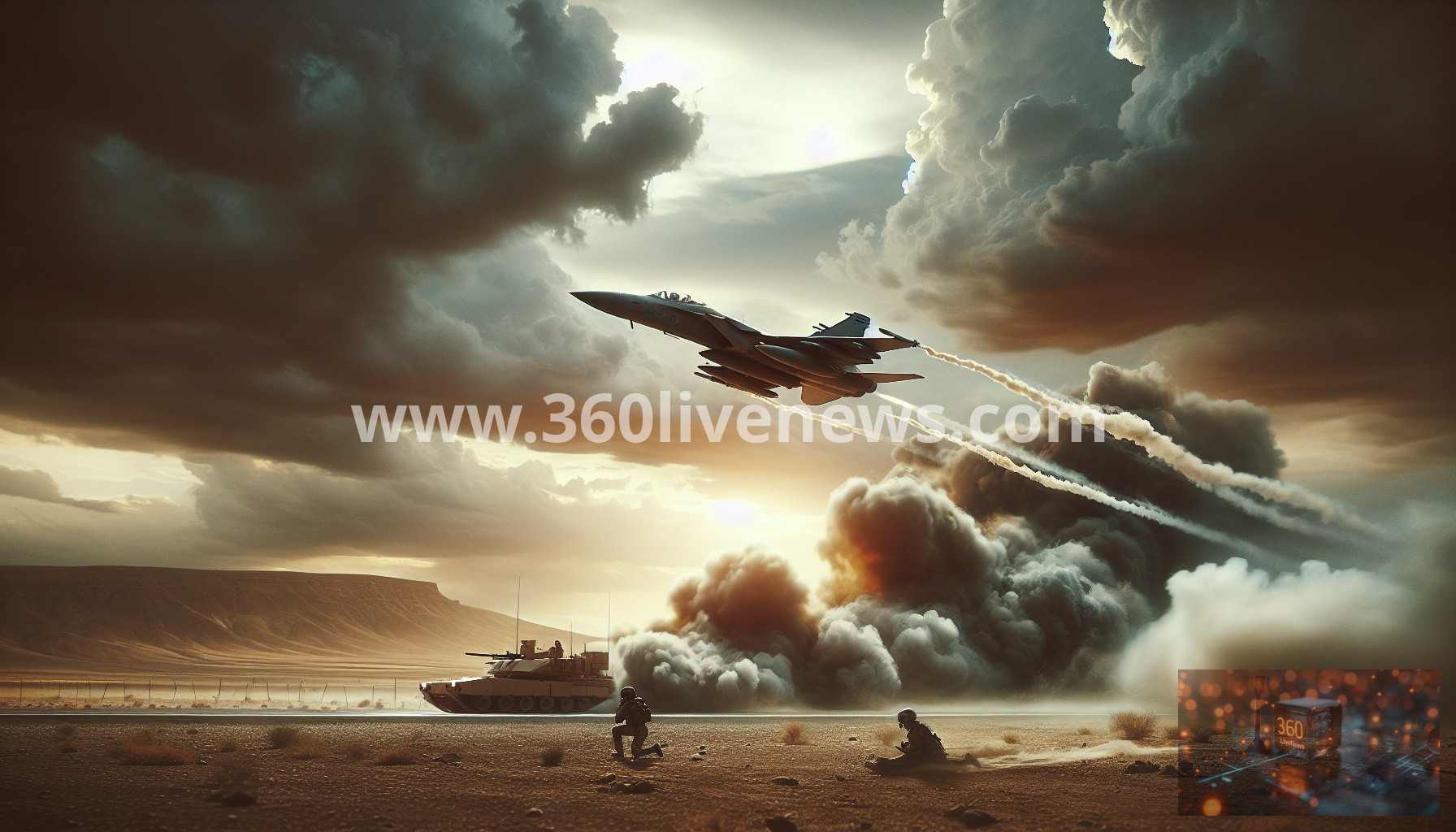
In a significant military escalation, the Iranian government has claimed responsibility for shooting down a United States fighter jet, as reported by France 24. This incident marks a further intensification of hostilities between the two nations amidst longstanding geopolitical tensions. Specifically highlighting the ongoing confrontation, a former US Deputy Assistant Secretary of Defense, Spencer Boyer, analyzed the implications of this act on regional security and international relations.
While official details regarding the jet's model and the specific circumstances surrounding its downing remain scarce, Iran's announcement underscores a volatile military environment in the region. Iran's military engagements often heighten following increased US sanctions and perceived threats against its sovereignty. Reports indicate that the incident occurred within Iranian airspace, although no precise geographic coordinates have been provided.
This incident highlights the broader context of Iran-US relations, which have been fraught with conflict following President Donald Trump's withdrawal from the Joint Comprehensive Plan of Action (JCPOA) in 2018. The fallout from this withdrawal has seen numerous confrontations, including maritime skirmishes and cyber warfare, reflecting the significance of each military maneuver and its potential to reshape diplomatic dialogues.
Recent years have seen escalating military actions in the Persian Gulf as both nations attempt to assert dominance in a strategically crucial area. The United States maintains a considerable military presence in the region, largely perceived as a countermeasure against Iranian influence and aggression. The deployment of naval assets, including the US Navy's Fifth Fleet, aims to ensure freedom of navigation and uphold regional allies’ security, primarily focusing on Gulf Cooperation Council (GCC) partners.
The ramifications of the Iranian claim of downing a US fighter jet could spark a recalibration of military strategy for both the US and its allies. In the United States, military officials may feel pressured to respond decisively, potentially escalating military engagements. Concurrently, diplomatic responses from the US State Department might include either a show of force or renewed efforts to rally international support against Iran's military actions.
Iran's assertion is not only a challenge to US military credibility but also complicates the delicate balance in Middle Eastern geopolitics. Regional players, such as Saudi Arabia and Israel, are keenly observing the situation, as they could face repercussions from any warfare escalations resulting from this incident. The Israeli Defense Forces have historically maintained a strong stance against Iranian activity in the region, complicating the dynamics of existing alliances.
Moreover, this incident may rally opposition against further US military action in Iran, particularly as rights groups have consistently raised concerns about military involvement following the Trump administration's decision to increase sanctions against Iran. The framing of the situation may also lead to domestic political repercussions for the Trump administration ahead of the upcoming elections. Critics argue that any military conflict could deter voter turnout, especially among constituencies focused on peace and diplomacy.
Official reactions to this incident will likely emerge rapidly as both the White House and Congressional leaders assess the implications. Analysts predict that discussions will focus on whether to pursue de-escalation strategies or to prepare for potentially military responses. Any failure to appropriately address the downing of the fighter jet could undermine US strategic credibility in the region, triggering calls for congressional oversight of military operations.
As this situation develops, the impact on diplomatic negotiations will be closely monitored. Efforts to re-engage with Iran regarding its nuclear program and military presence in the region may be threatened, complicating existing frameworks for international security. Additionally, the international community's response may play an important role in shaping future engagements between Iran and the US.
#Iran #USMilitary #Geopolitics #MiddleEast #InternationalRelations #TrumpAdministration #JCPOA #MilitaryEscalation
