China's hydrogen-powered aircraft maiden flight highlights technological advancements amid tensions in the Strait of Hormuz
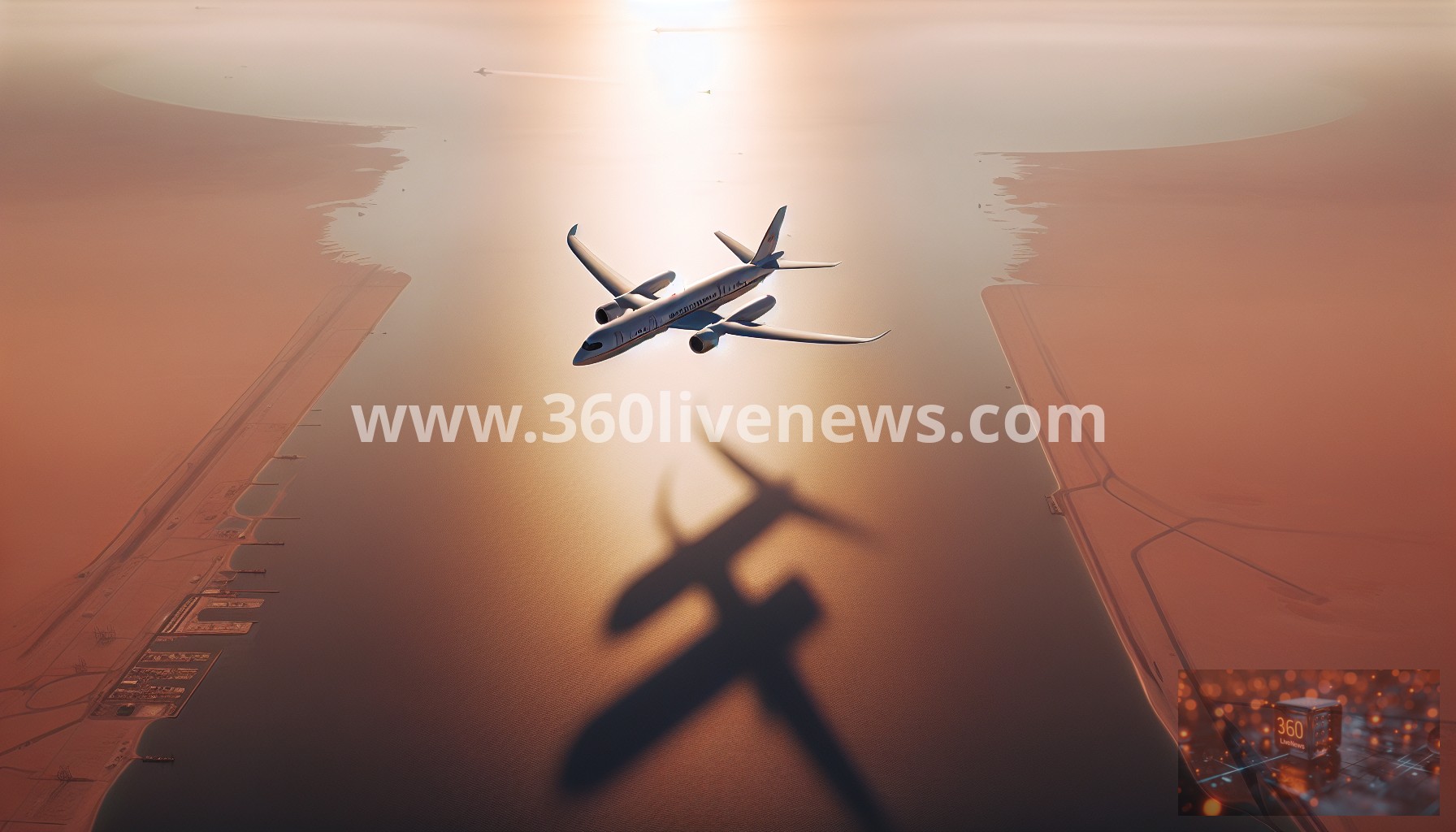
The ongoing geopolitical tensions in the Strait of Hormuz coincide with China's significant technological advancements in aviation, marked by the recent successful maiden flight of a hydrogen-powered aircraft. This event has provoked discussions around energy resources and regional security, particularly as Iran continues to assert control over vital maritime passages. The aircraft, a powerful uncrewed model, is heralded for establishing a complete technological chain in hydrogen propulsion, showcasing both China's engineering capabilities and its commitment to alternative energy solutions.
The aircraft, developed by the Aero Engine Corporation of China (AECC), weighed 7.5 tonnes and is powered by a hydrogen turboprop capable of generating over one megawatt of energy. This recent flight occurred on a Saturday and lasted 16 minutes, traversing 36 kilometers (22 miles) at a cruising altitude of 300 meters (985 feet) and a speed of 220 km/h (137 mph). Reports indicate that the engine operated smoothly during the entire duration of the flight, which took place from an airport in Zhuzhou, situated in central Hunan province, according to state news agency Xinhua. This achievement is part of China's broader strategy to lead in renewable energy technologies.
Just days prior, the turboprop had successfully completed comprehensive ground tests, solidifying its readiness for operational deployment. This advancement has raised eyebrows in the context of Iran's ongoing energy crisis, as conflicts over energy supplies and transportation routes intensify in the region. Iran’s firm foothold over the Strait of Hormuz, an essential conduit for oil shipments, has implications not only for regional security but also for the global energy market, particularly in relation to oil market dynamics.
In the same vein, discussions on the security and transit of vessels through the Strait of Hormuz have escalated, with Oman and Iran engaging in talks at the deputy foreign ministerial level to ensure the smooth passage of maritime vessels. The Omani Foreign Ministry confirmed that the discussions took place on Saturday and were attended by experts from both nations. The meeting focused on creating frameworks to facilitate maritime operations amid the prevailing tensions, showcasing the strategic importance of the Strait, which sees a significant percentage of the world's oil shipments pass through it, highlighting the role of maritime security.
Experts from both countries deliberated on several proposals aimed at enhancing navigational safety and coordinating transit, amidst reports of Omani vessels navigating outside of Iran's “approved corridor” near Larak Island. The tracking data from shipping journal Lloyd’s List suggests that Iran's control over the Strait is a topic of pressing concern, as Tehran’s actions could disrupt international shipping routes crucial for global energy supply chains, raising issues related to international shipping.
Amid these developments, the historical context of Iran's maritime strategies and the strategic partnerships with Oman highlights the ongoing fluidity in regional relations. The partnership between Oman and Iran, rooted in shared interests and geographical proximity, continues to play a pivotal role in negotiations concerning the Strait of Hormuz. The current discussions aim to balance Iran's assertive maritime policies with the necessity for shared navigation safety, indicating a complex interplay between regional diplomacy and security, particularly in light of diplomatic efforts.
This combination of technological advances in aviation and diplomatic efforts for secure maritime navigation reflects broader geopolitical dynamics. China's foray into hydrogen-powered aviation could signify a shift in energy strategies, paralleling Iran’s efforts to maintain its influence over critical trade routes. As both countries navigate these challenges, the implications of their interactions hold significant importance for the future of regional security and economic stability, especially concerning economic stability.
Moreover, the rising tension in the waters off Iran's coast could exacerbate regional instability, particularly as geopolitical rivalries play out in this strategically critical area. The ongoing discussions between Oman and Iran could serve as a stabilizing factor, albeit in a situation fraught with uncertainty. The contrasting approaches of technology-driven energy solutions employed by China and the geopolitical maneuvers seen in Iran underscore the multifaceted nature of the current challenges for energy security in the Middle East, as highlighted by energy security concerns.
As these narratives continue to unfold, the international community will be watching closely. With the potential for disruption in one of the world’s busiest maritime corridors intertwined with innovations in sustainable energy, the developments surrounding both the hydrogen-powered aircraft and the Strait of Hormuz are anticipated to remain at the forefront of regional discourse.
#China #Iran #Hydrogen #Aviation #Strait_of_Hormuz #Oman #Energy #Geopolitics
