
US Considers Lifting Sanctions on Russian Oil Amid Rising Energy Prices Due to Middle East Conflicts
The United States is reportedly contemplating the lifting of additional sanctions on Russian oil. This consideration comes against the backdrop of escalating energy prices spurred by ongoing conflicts in the Middle East, particularly the recent conflict between the US-Israel coalition and Iran. US Treasury Secretary Scott Bessent indicated on Friday that the new measures would not ease restrictions on Russia but would instead apply to supplies already in transit. This potential policy shift reflects the increasing urgency for the US to address soaring global oil prices, which have significantly impacted markets in recent days. On Friday, crude oil prices surged... [Continue Reading]

US considers lifting more sanctions on Russian oil as Iran conflict sees global prices surge
Washington says new measures not aimed at easing restrictions on Moscow and only affect supplies already in transitThe US treasury secretary, Scott Bessent, said on Friday that his government was considering lifting sanctions on more Russian oil, a day after it temporarily authorised India to buy from Moscow as global oil prices surged.The US-Israel war on Iran and Tehran’s retaliatory attacks across the Gulf region have upended the world’s energy and transport sectors, virtually halting activity in the strait of Hormuz. Continue reading... [Continue Reading]

US, Israel, and Iran Conflict Escalates as Iran Closes Strait of Hormuz Amid Attacks on Energy Facilities in Qatar and Saudi Arabia
The conflict between the United States, Israel, and Iran has escalated, marking a significant transition in geopolitical tensions in the Middle East. As fighting continues, Iran has effectively closed the Strait of Hormuz, a critical passage for global oil shipments. Attacks on energy facilities in neighboring Qatar and Saudi Arabia have compounded the crisis, crippling vital energy supplies and threatening global economic stability. As this conflict unfolds, the implications for energy prices are immediate and severe. Oil prices have surged past $90, with those increases reflected at gas pumps across the United States, where prices have reached their highest in... [Continue Reading]

How the War in Iran Is Disrupting the World’s Oil
Our business reporter Peter Eavis looks at the global implications of the Strait of Hormuz, the narrow waterway to the south of Iran. He analyzes ship activity in the strait, comparing it before and after the United States and Israel initiated attacks on Iran. [Continue Reading]
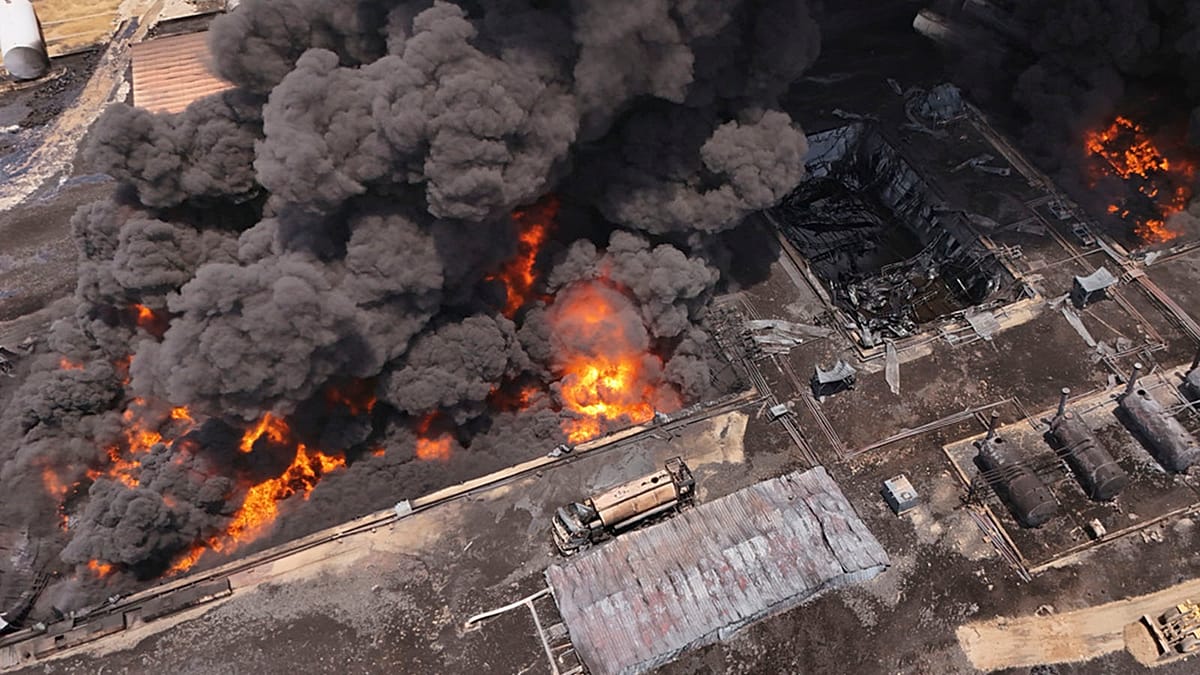
Iran's strikes on Gulf energy sites rattle markets and raise recession fears
Iran’s apparent erratic strikes all over the Gulf and now Azerbaijan, together with its stranglehold of the vital Strait of Hormuz, have resulted in a growing strain on the world’s global energy supplies with incalculable consequences ahead. [Continue Reading]

US and Israel Conduct Airstrikes Targeting Iranian Leaders and Military Infrastructure
This week marked a significant escalation in the ongoing conflict surrounding Iran as airstrikes by the United States and Israel targeted key Iranian leaders and military infrastructures. Early on Saturday morning, air raids reportedly assassinated Ayatollah Ali Khamenei and over forty senior Iranian officials within a five-minute window. This action initiated a broad bombing campaign aimed at military bases and logistical centers across Iran, as well as hitting targets belonging to the Iranian Revolutionary Guard Corps (IRGC) and other paramilitary forces. As of now, the conflict has entered its seventh day, and Iran's military response escalated dramatically. Iranian forces retaliated... [Continue Reading]

Petrol and diesel prices in Europe expected to exceed €2 per litre amid rising global oil prices and Middle East conflict
Petrol and diesel prices across Europe are predicted to surpass €2 per litre, with concerns escalating among fuel garage operators about imminent price hikes. This situation follows the outbreak of conflict in the Middle East, which began last Saturday, and has been compounded by significant increases in global oil prices. The average price for unleaded petrol rose from €1.73 per litre last month to levels exceeding €1.80, while diesel has also approached €1.90 at many pumps. The ramifications of the ongoing conflict are already evident in the home heating oil market, where costs have surged dramatically. For instance, data from... [Continue Reading]

Iran’s Chokehold on Strait of Hormuz Strains Oil and Gas Shipping
The threat of prolonged attacks on oil tankers and other vessels is giving Iran an advantage, analysts say. [Continue Reading]

Surge in GPS interference around Strait of Hormuz increases shipping risks
More than 1,100 vessels have been hit by GPS interference across the Middle East Gulf since the start of the conflict, according to maritime firm Windward. Experts warn these attacks pose severe risks to navigation and are contributing to the de facto blockade of the strategic Strait of Hormuz. [Continue Reading]

Royal Mail criticised as first-class stamp price rises to £1.80 despite ‘failing service’
Company attacked for ‘forcing people to dig deeper into their pockets’ as second-class stamps increase to 91pBusiness live – latest updatesRoyal Mail has been criticised for announcing another hike in the cost of first- and second-class stamps while providing what Citizens Advice described as a “failing service”.From 7 April, the price of a first-class stamp will increase by 10p, or 6%, to £1.80. The cost of the second-class service is going up by 4p, or 5%, to 91p. Royal Mail blamed the need for price increases on the “continued rise in the cost of delivery for every letter”. Continue reading... [Continue Reading]

US lost 92,000 jobs in February just before Trump joined Iran conflict
The unemployment rate was 4.4% in February, with 130,000 jobs added in JanuaryBusiness live – latest updatesThe US lost 92,000 jobs in February, a major slackening in the labor market that came just before Donald Trump threw the global economy into upheaval with his conflict in Iran.The unemployment rate edged up to 4.4% in February. In comparison, the US added a revised 126,000 jobs in January, far surpassing expectations of 70,000 jobs but still less than January 2025. Economists predicted an increase of 60,000 jobs added in February and a steady unemployment rate of 4.3%. Continue reading... [Continue Reading]
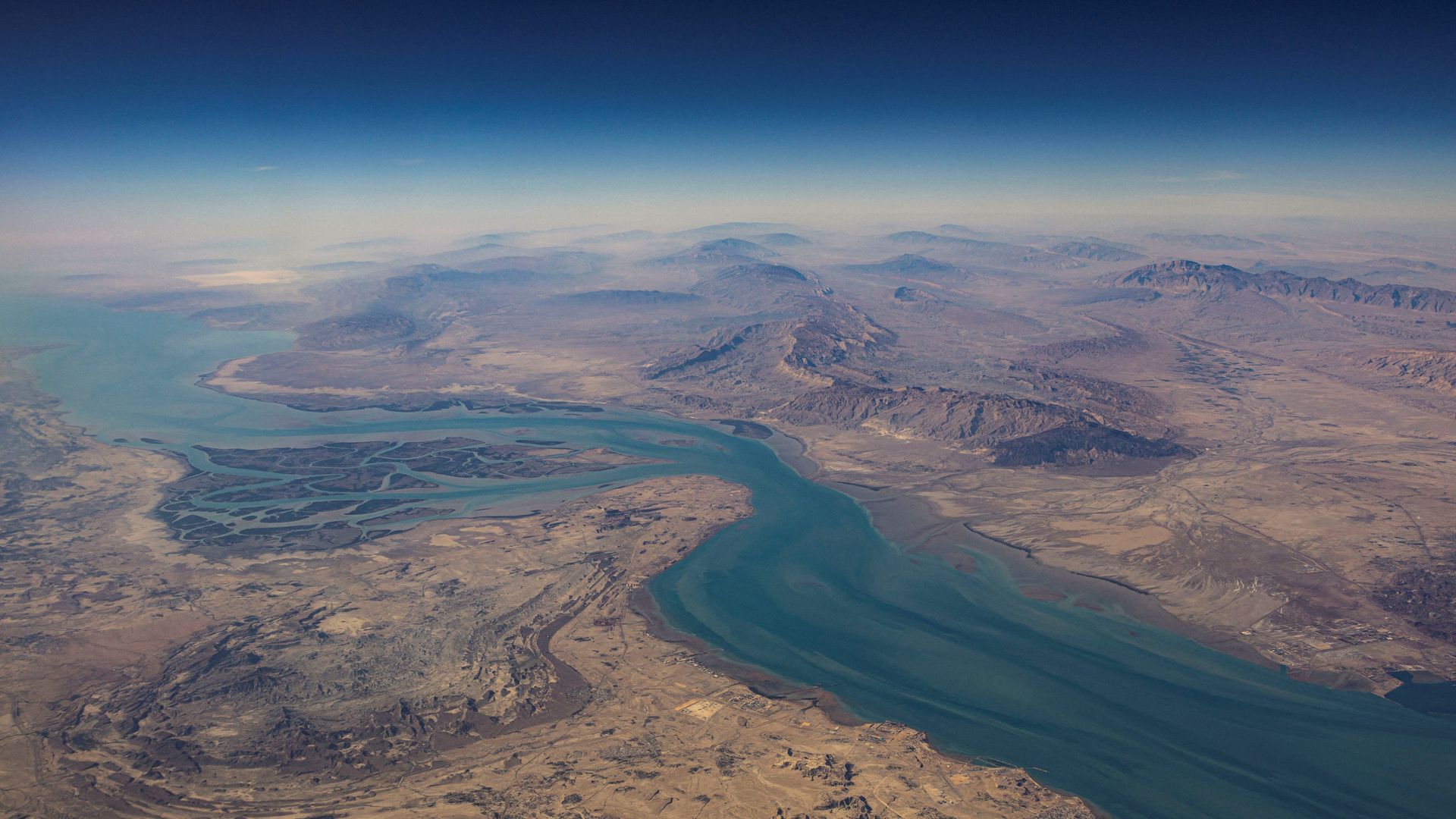
The global economy's worst nightmare is here and the consequences could be scary
For years, geopolitical analysts warned us that among the scariest of all scenarios for the world economy was the closure of the Strait of Hormuz. [Continue Reading]

Telegraph sold for £575m as German buyer elbows out Daily Mail
Axel Springer, owner of Bild and Die Welt, agrees all-cash deal for one of UK’s oldest newspapersBusiness live – latest updatesThe European media group Axel Springer is to acquire the Telegraph after tabling a £575m deal that has scuppered a rival deal from the owner of the Daily Mail.Axel Springer, which owns Europe’s biggest newspaper, Bild, and the daily Die Welt, has agreed an all-cash deal for Telegraph Media Group (TMG), the owner of the Daily and Sunday Telegraph. Continue reading... [Continue Reading]

Middle East conflict threatens food security in Gulf countries
Sitting between Oman and Iran, the Strait of Hormuz is a crucial global shipping channel with more than 30,000 ships passing through it each year. Following the outbreak of the conflict in the Middle East, concerns have arisen about oil and gas exports through the strait being impacted. But at the same time, the threat of disruption to food supplies in the Gulf region are increasing, as states such as Kuwait, Bahrain and Qatar become effectively landlocked by the disruption. [Continue Reading]

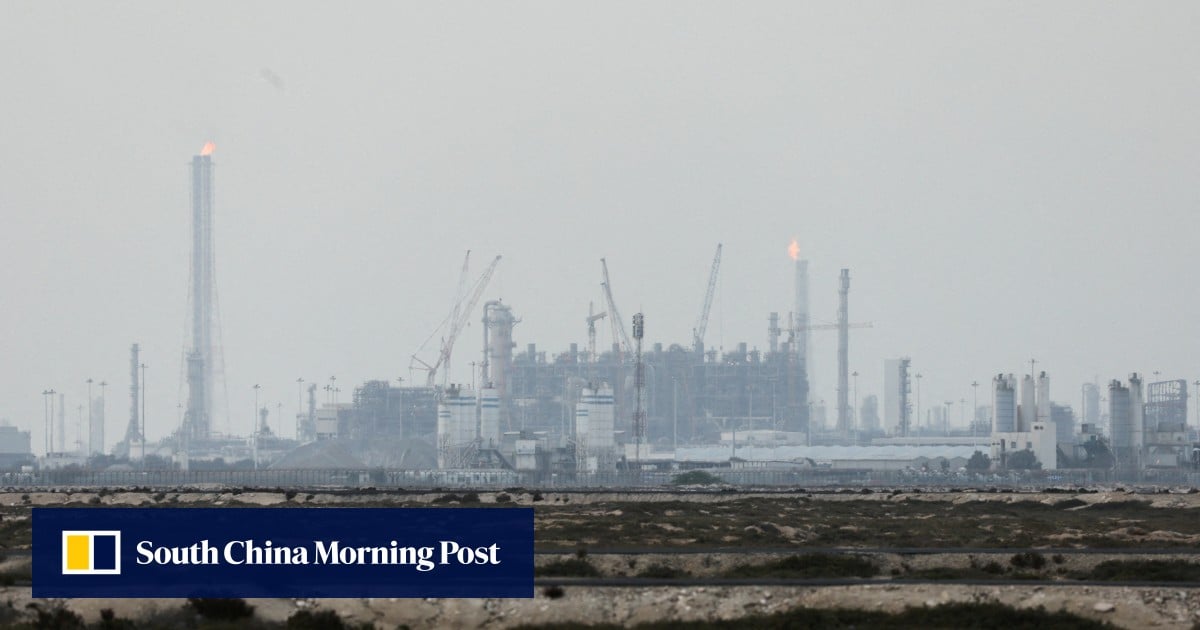
Qatar’s LNG halt exposes Asia’s energy vulnerability
Asia is bracing itself for another energy shock after a disruption to Qatar’s liquefied natural gas (LNG) output sent regional gas prices to their highest level in about three years, exposing what observers say is a dangerous reliance on Middle Eastern fuel supplies. The increase follows Iran’s drone strikes on Qatar in retaliation for Israeli and US attacks in a widening conflict, alongside a blockade of shipping through the Strait of Hormuz – a key artery for global oil and gas trade. Spot LNG... [Continue Reading]
Oil set for steepest weekly gain since Ukraine invasion
Crude oil was set today for its strongest weekly gain since the extreme volatility of the Covid‑19 pandemic in spring 2020, as conflict in the Middle East kept shipping and energy exports through the vital Strait of Hormuz halted. [Continue Reading]

Dubai Residents Receive Emergency Alerts Amid Increased Missile Threats from Iran
Residents of Dubai have received emergency alerts urging them to seek immediate shelter amidst heightened missile threats originating from Iran. Reports indicate that the threats are part of a significant increase in missile strikes by Iran, described as "its most intense barrage of missile strikes yet." Multiple alerts were issued, with at least two sent in quick succession to residents, including those who are British expatriates. Emergency advisories recommended that individuals remain sheltered until further instructions were relayed. The situation escalated dramatically as Dubai reported incidents involving drones being intercepted. Debris from these drones has caused fires at notable landmarks,... [Continue Reading]

‘Geopolitical uncertainties’ amid Iran war could slow fall in mortgage rates, says Halifax
UK house price growth slowed in February as value of typical home rose 0.3% to £301,151Business live – latest updatesHalifax has warned that the US-Israel war on Iran could slow mortgage rate decreases this year, as it said that house price growth eased dramatically in February.Halifax, which is part of Lloyds – Britain’s biggest mortgage lender – said the conflict in the Middle East was likely to affect global economies, stoke inflation and reduce the likely rate of interest rate cuts that influence borrowing costs for homebuyers. Continue reading... [Continue Reading]
US grants waiver to allow India to buy Russian oil amid Iran war
‘Stopgap measure’ designed to keep oil flowing into global market as Middle East crisis disrupts crude shipmentsBusiness live – latest updatesThe US has temporarily allowed India to buy Russian oil currently stuck at sea in an effort to keep global supplies flowing and temper further price increases.On Thursday the US treasury issued a 30-day waiver allowing India to buy Russian oil, having previously imposed heavy sanctions related to the war in Ukraine. Continue reading... [Continue Reading]

Seafarers can refuse to sail through Mideast Gulf region, main union says
Seafarers have the right to refuse to sail on ships passing through the Middle East Gulf, including the Strait of Hormuz, after the threat level for the region was raised to its highest level, the leading labour union and shipping industry groups said on Thursday. FRANCE 24's Sharon Gaffney speaks with Michael Tamvakis, Professor of Commodity Economics and Finance at the Bayes Business School, City University London. [Continue Reading]

Will the US benefit from the oil crisis sparked by the war on Iran?
Attacks on energy sites in the Gulf and disruptions in the Strait of Hormuz give Western exporters a chance to profit. [Continue Reading]

Ministers discuss ways to offset energy price surges caused by Iran war
Government’s claim to have lowered bills in jeopardy as households face £160 rise caused by soaring oil and gas pricesMinisters are discussing the possibility of intervening to protect the public against soaring household energy bills if the Middle East conflict drags on.Oil and gas prices have surged since Donald Trump started his bombing campaign against Iran, which has responded by closing off a crucial shipping route through the strait of Hormuz and by attacking regional energy infrastructure. Continue reading... [Continue Reading]
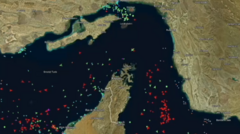
Timelapse shows change in the flow of ships in the Strait of Hormuz
A timelapse of marine traffic shows the flow of ships has decreased in the Strait of Hormuz. [Continue Reading]

UK energy market faces significant impact from Iran conflict, with household bills projected to rise by £160 annually
Recent developments in the ongoing conflict involving Iran have led to significant impacts on the UK's energy market, prompting analysts to predict a substantial increase in household energy bills. Following a series of events connected to the US-Israeli military actions in Iran, gas prices have surged, with projections indicating that typical household energy expenses could rise by £160 annually, reaching a staggering £1,800 by this summer. This escalation represents a 10% increase in energy costs, directly correlated to rising gas prices which have more than doubled in the wake of the conflict. The impact of the Iranian crisis on UK... [Continue Reading]

Panic buying of fuel reported in the UK amid escalating Middle East tensions and closure of the Strait of Hormuz by Iran
The situation in the Middle East has escalated sharply, leading to widespread panic buying of fuel in the UK and significant market reactions in South Korea. Authorities have reported long lines at petrol stations as people react to the closure of the Strait of Hormuz by Iran, a crucial passage for global oil supplies, exacerbating fears of an impending energy crisis. Reports indicate that the London mayor has urged residents to remain calm and avoid panic buying. Yesterday, drivers in areas such as Bushey, north London, experienced wait times of over an hour to refuel. Some petrol stations are now... [Continue Reading]
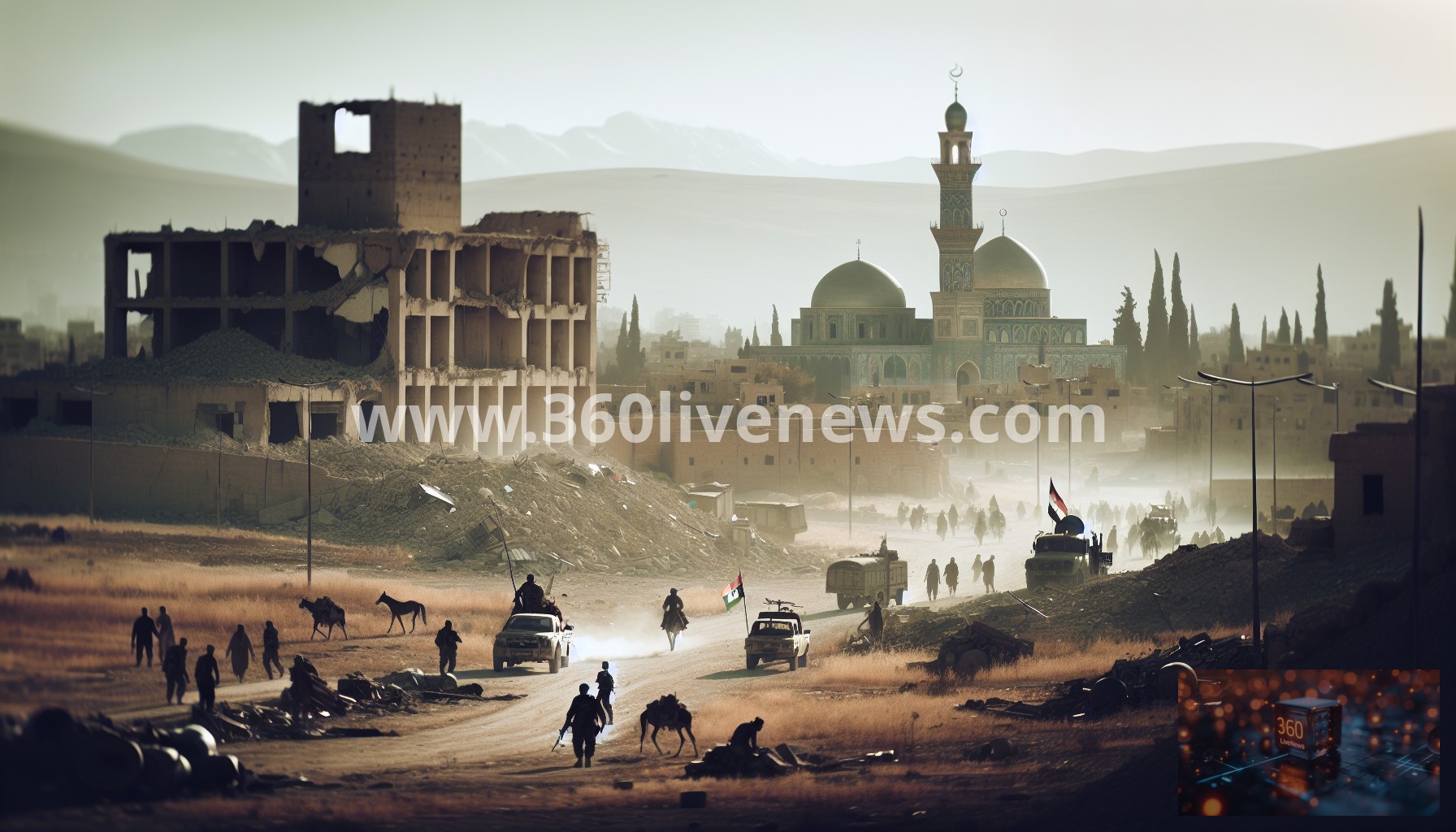
US and Israel conduct airstrikes on Iranian targets, destroying 11 naval vessels and impacting missile capabilities
In a significant escalation of hostilities in the Middle East, recent airstrikes conducted by the United States and Israel against Iranian targets have resulted in the destruction of at least 11 naval vessels and substantial missile and nuclear capabilities within Iran. As these developments unfold, UK officials have indicated that Britain may consider participation in future strikes against Iran's ballistic missile launch sites, further complicating the geopolitical landscape in the region. Satellite images reviewed by BBC Verify revealed extensive damage to Iran's naval fleet following the coordinated US-Israeli strikes that began over the weekend. The attacks primarily targeted infrastructure at... [Continue Reading]
Israeli airstrikes in Beirut reportedly kill at least 11 amid ongoing conflict involving Israel and Iran
Explosions erupted in Beirut, Lebanon, as Israeli airstrikes reportedly killed at least 11 individuals in various locations, including Baalbek and areas south of the capital. This military escalation marks the fifth day of hostilities within the context of a broader war involving Israel and Iran, which has raised international concerns regarding safety and stability in the region. The Iranian Revolutionary Guards announced complete control of the Strait of Hormuz, a crucial maritime route for global oil and gas supplies. They warned that any vessels attempting to navigate these waters would face potential missile threats or drone attacks. This assertion underscores... [Continue Reading]

US Launches Operation Epic Fury, Targeting Nearly 2,000 Sites in Iran Amid Escalating Regional Tensions
The United States has undertaken a significant military offensive against Iran, marking a critical escalation in ongoing regional tensions. This operation, dubbed Operation Epic Fury, commenced on a recent Saturday and has thus far seen nearly 2,000 targets hit across the country, as reported by US military sources. The intensity of the strikes has been described as nearly double that of the initial phase of the 2003 Iraq War, known for its overwhelming force. The ongoing military actions have resulted in substantial casualties and heightened volatility across the Middle East. Confirmed reports indicate that at least 787 individuals have died... [Continue Reading]
US and Israel Intensify Military Operations Against Iran and Allied Forces in Lebanon
In an alarming escalation of hostilities, the United States and Israel have ramped up military operations against Iran and its allied forces in Lebanon. As reported, this intensified bombardment is drastically affecting regional stability and oil supply routes, particularly through the critical Strait of Hormuz. Recent attacks have focused on key Iranian military targets, as both the US and Israeli armed forces aim to disrupt what they perceive as an existential threat posed by Iran's military capabilities. According to sources, these strikes are a direct response to Tehran's recent counterstrikes that have disrupted oil flows in the Middle East. Reports... [Continue Reading]

Middle East tensions raise investor concerns, predicting decline in Australian share market amid rising oil prices
Recent tensions in the Middle East are causing significant trepidation among investors, leading to predictions of a sharp decline in the Australian share market. As conflict intensifies, concerns over rising oil prices and inflationary pressures weigh heavily on financial sentiments. This comes as Wall Street, despite earlier losses, managed to recover somewhat following statements from former President Donald Trump assuring the protection of oil tankers in the Strait of Hormuz. Investor anxiety has reached notable levels as the situation unfolds, with the Australian market expected to open considerably lower, reflecting fears that the ongoing conflict may prolong and further destabilize... [Continue Reading]
British F-35B fighter jet shoots down Iranian drone in Jordanian airspace, marking first operational kill for the aircraft
A British F-35B fighter jet successfully shot down an Iranian drone in Jordanian airspace, marking the first operational kill for the aircraft in active operations. This incident underscores the escalating tensions in the Middle East, where British forces are increasingly engaged in defensive actions against Iranian aerial threats directed at various Gulf nations. The Ministry of Defence confirmed the operation, indicating that RAF Typhoons and a Voyager air-to-air refueling aircraft supported the F-35B during the engagement. The strike on the Iranian drone follows an uptick in cross-border hostilities, particularly as Iranian drones have targeted locations in neighboring countries. Earlier in... [Continue Reading]
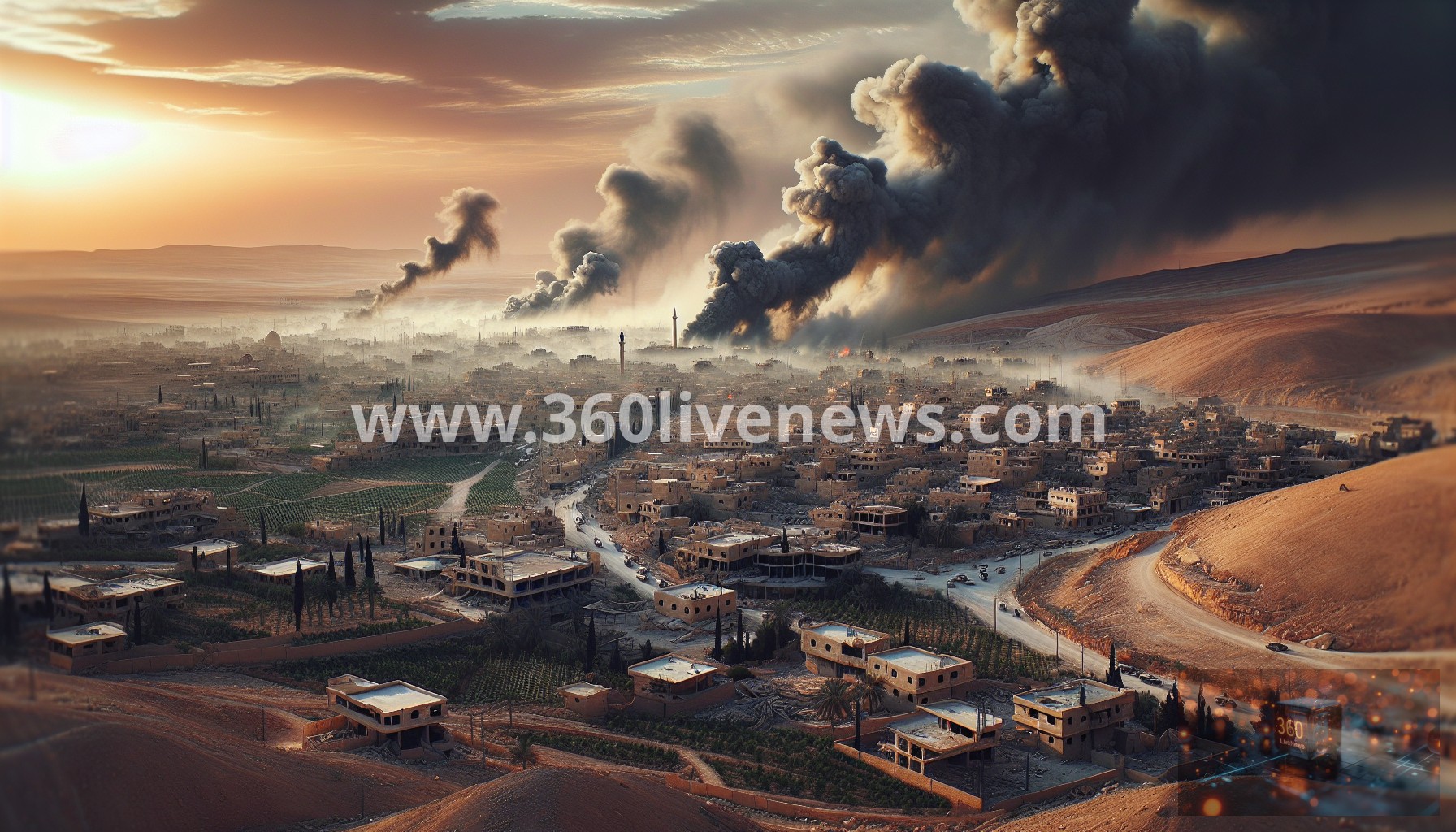
Iran's Military Engagements Expand Amid Rising Tensions with Israel and the US, Threatening Regional Assets
In a rapid escalation of hostilities, Iran has increasingly drawn in regional countries as countermeasures against ongoing military actions by Israel and the United States. Reports indicate that military engagements are now taking place not only on Iranian soil but also threatening US assets in Saudi Arabia, oil infrastructure across the Gulf, and even French military installations in Abu Dhabi. Analysts highlight that Iran's use of low-cost drones marks a distinct shift in its retaliatory strategy, aimed at disrupting key economic sectors and deterring tourism amidst the backdrop of what it perceives as an existential threat following targeted strikes that... [Continue Reading]

Global oil prices rise to $84 per barrel amid tensions in the Middle East and concerns over shipping safety in the Strait of Hormuz
The recent escalation of tensions in the Middle East, primarily involving Iran, has prompted a significant rise in global oil prices amid fears for shipping safety in the Strait of Hormuz. Following Tehran's targeting of vessels in this crucial maritime route, oil prices have surged from $72 per barrel to $84, raising alarms about potential increases in fuel costs for consumers worldwide, including in Ireland. The Strait of Hormuz is a vital channel for global oil transport, with approximately one-fifth of the world's petroleum passing through it. As the conflict escalated, shipping rates for supertankers in the area have reportedly... [Continue Reading]
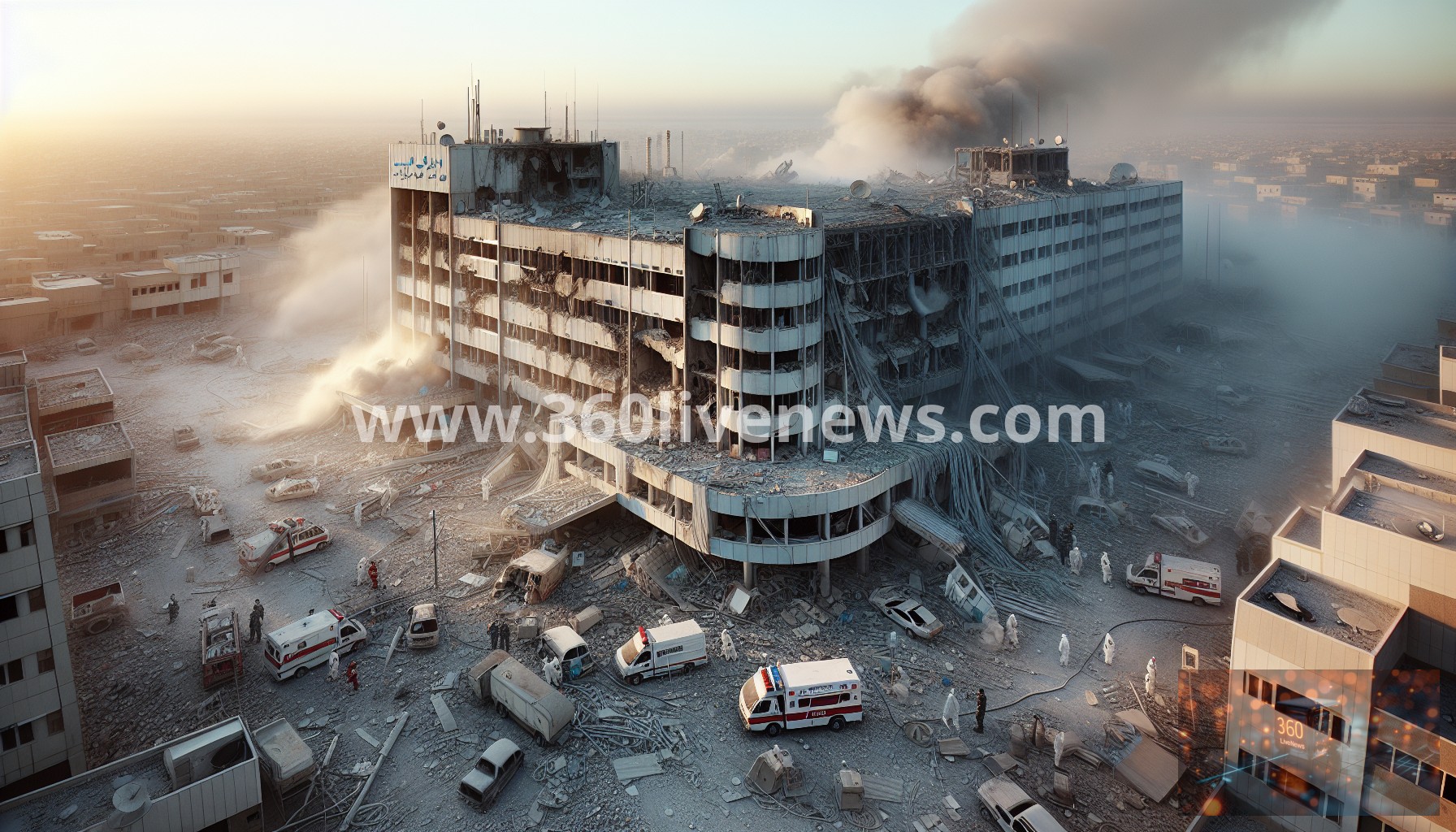
US and Israeli airstrikes in Iran cause significant destruction and evacuations from a hospital in Bushehr due to damaged facilities
In a rapidly deteriorating situation, US and Israeli airstrikes have recently targeted various locations in Iran, leading to significant destruction and casualties. Among the most distressing images from these strikes is the evacuation of infants from a hospital in Bushehr, where critical care facilities were reportedly damaged. Footage captured by local media shows staff and workers from the Iranian Red Crescent wheeling vulnerable babies from the neonatal unit to ambulances, underscoring the dire conditions amidst escalating military actions. The violence has resulted in an alarming human toll. An official report indicates that at least 787 individuals have been confirmed dead... [Continue Reading]

Escalation of military conflict in the Middle East raises concerns over potential economic impacts in Europe
A recent escalation of military conflict in the Middle East has raised alarm over potential economic ramifications, particularly in Europe. Reports indicate that a coalition of U.S. and Israeli forces has intensified its military actions against Iran. This situation has become increasingly volatile, particularly with Israel's military actions in Lebanon and Iran's retaliatory missile strikes across the Gulf region, affecting countries such as the United Arab Emirates, Kuwait, Bahrain, and Qatar. The repercussions of this conflict are already being felt globally, particularly in energy markets, with oil prices witnessing an over 10% surge. Confirming these developments, European Central Bank (ECB)... [Continue Reading]
US Embassy in Riyadh hit by suspected Iranian drones, causing minor fire but no injuries reported
The US Embassy in Riyadh was struck by two suspected Iranian drones, causing a minor fire on the premises. The attack occurred in the early morning hours, during which the building was unoccupied, and resulted in no injuries. Eyewitness accounts indicated that a blast was heard from the embassy and black smoke was observed rising from the site on the morning following the incident. This development marks a significant escalation in the ongoing conflict between the United States and Iran, as tensions have dramatically increased in recent days. Reports from multiple sources indicate that the drone strike on the embassy... [Continue Reading]

Israel and Iran escalate military actions with air strikes causing civilian casualties and property damage in Tehran
Recent military actions between Israel and Iran have heightened tensions in the region, with both countries executing air strikes that resulted in civilian casualties and significant property damage. On one front, a reported 'double-tap' strike by Israeli and US forces hit Tehran's Ferdowsi Square, where witnesses detailed a second round of attacks targeting civilians who were responding to the aftermath of an initial bombing. This method, described as a tactic to inflict maximum chaos and ensure higher casualties, draws serious international concern regarding military engagement practices. As confirmed by multiple sources, the ongoing conflict saw Israel launching targeted strikes on... [Continue Reading]

US and Israel's military actions against Iran lead to shipping disruptions and cancellation of war risk coverage in the Gulf
The geopolitical landscape in the Gulf has drastically shifted following intensified military actions carried out by the United States and Israel against Iran. As a result, maritime insurers have reacted by canceling war risk coverage for vessels operating in the region, leading to significant shipping disruptions. The ongoing hostilities have caused at least 500 casualties, according to reports from the Iranian Red Crescent Society (IRCS). The Strait of Hormuz, a critical waterway for global oil supplies, is now effectively closed, with shipping routes fundamentally altered amid the escalating conflict. Over the weekend, reports noted that at least 150 vessels,including oil... [Continue Reading]
US and Israel launch military strike on Iran, resulting in significant casualties and regional missile retaliation
In a dramatic escalation of tensions, a coordinated military strike by the United States and Israel on Iran on the final day of February has resulted in significant casualties and geopolitical ramifications. This operation reportedly killed hundreds, including Iran's supreme leader, Ayatollah Ali Khamenei. Following the strike, Iran retaliated by launching missiles against multiple nations in the region, including Kuwait, Bahrain, Jordan, Qatar, and the United Arab Emirates, marking the onset of a potential wider conflict. According to reports, the military strike employed advanced technology, including AI-assisted systems for intelligence assessments and target identification, underscoring the growing role of artificial... [Continue Reading]

Czech Republic initiates evacuation flights for nationals amid escalating tensions in the Middle East
The recent military strikes by the United States and Israel on Iran have escalated tensions in the Middle East, prompting rapid evacuation plans for nationals from several countries. The Czech Republic is leading the charge among European Union members in mobilizing evacuations, with Prime Minister Andrej Babiš confirming the initiation of flights for citizens trapped in the region as the situation unfolds. This marks a significant step in what appears to be a response to intensifying military engagement and rising geopolitical instability. The Czech government has announced three planned evacuation flights, with two scheduled to depart from Sharm El-Sheikh, Egypt,... [Continue Reading]

Middle East geopolitical landscape shifts after reported killing of Iran's Supreme Leader Ayatollah Ali Khamenei
The geopolitical landscape of the Middle East has dramatically shifted following the reported killing of Iran’s Supreme Leader, Ayatollah Ali Khamenei. The incident ignited a series of military operations led by the United States and Israel against Iranian assets, aiming not only to destabilize Iran's government but also to prevent its missile and nuclear capabilities. US President Donald Trump, in a public address, called on Iranians to reclaim their nation, underscoring ambitious objectives accompanying military efforts. The killing of Khamenei has left Iranian officials scrambling to manage repercussions. Reports indicate that many US intelligence officials harbor doubts regarding the likelihood... [Continue Reading]

US and Israeli Forces Conduct Airstrikes on Iranian Military Facilities Amid Escalating Conflict
This weekend saw an escalation of military conflict involving Iran, the United States, and Israel following a series of airstrikes that resulted in significant casualties and widespread destruction. Imagery from satellite providers like Planet Labs illustrates the aftermath of attacks primarily focused on Iranian military facilities, including the Tabriz missile base located in northwestern Iran. Reports indicate that these strikes were a part of a coordinated effort by US and Israeli forces, targeting key installations to curb Iran's military capabilities. According to official announcements, the airstrikes have caused extensive damage, particularly at the Tabriz missile base, which is categorized as... [Continue Reading]
Iran conducts missile strikes near Jerusalem, resulting in nine deaths amid escalating Middle East tensions
Recent military actions have intensified tensions in the Middle East as Iran conducted missile strikes targeting locations near Jerusalem, resulting in the deaths of nine individuals. This incident aligns with escalating hostilities as Iran responds to what it characterizes as ongoing attacks from the United States and Israel. The situation remains volatile, with strategic implications for regional security and international energy markets. Several sources indicate that Iranian forces unleashed their fury shortly after a series of airstrikes attributed to Israel and US forces in Iranian territory. These developments have led to an increase in military readiness and strategic repositioning among... [Continue Reading]

Iran Closes Strait of Hormuz Following Israeli Airstrikes Amid Escalating Middle East Tensions
A significant escalation has unfolded in the Middle East as Iran closed navigation through the Strait of Hormuz, a crucial maritime corridor that facilitates the transit of approximately one-fifth of the world's oil supplies. This closure follows a series of intense bombardments on Iranian targets by Israeli forces, which included airstrikes on Tehran. The strikes reportedly were a retaliation tied to the recently escalated tensions after the assassination of Iran's supreme leader. In the aftermath of the Israeli airstrikes on Saturday, Iranian forces have responded with attacks on commercial vessels in the region, resulting in significant disruptions to maritime traffic.... [Continue Reading]
US and Israel Launch Airstrikes Against Iran in Operation "Epic Fury" Amid Rising Military Tensions
In a dramatic escalation of military tensions, the United States and Israel have initiated a series of airstrikes against Iran. This unprecedented military operation, referred to as "Epic Fury," comes in response to Iran's recent threats of retaliation following a significant escalation of hostilities. The operation is marked by a promise from President Donald Trump to respond to Iranian aggression with a force unprecedented in its capacity. The situation has led to widespread cancellations and delays in air travel across the Middle East, causing tens of thousands of passengers to be stranded. Confirmed reports state that on a recent weekend,... [Continue Reading]

Global financial markets brace for potential oil price surge amid rising tensions in the Strait of Hormuz
In a significant development, global financial markets are preparing for a potential surge in oil prices as reports indicate that the Strait of Hormuz may be nearing closure amid increasing military activity between the United States, Israel, and Iran. This strategic chokepoint is vital to the world's oil supply, with approximately 27% of global crude oil passing through this waterway, which is crucial for several Gulf states including Saudi Arabia, Iraq, the United Arab Emirates, Kuwait, Qatar, Bahrain, and Oman. Recent actions in the region have raised alarms about the future of shipping through this critical waterway. Analysts suggest that... [Continue Reading]

Shadows of Fire: The Long Arc of Iran–United States Tensions
A Region on Edge: The Latest Escalation In recent months, tensions between Iran and the United States have intensified once again, fueled by disputes over regional security, nuclear development, maritime incidents in the Persian Gulf, and the broader strategic balance in the Middle East. Officials in Washington have expressed renewed concern over Iran’s uranium enrichment levels, while leaders in Tehran have accused the United States of economic warfare through sanctions and diplomatic isolation. The fragile equilibrium that followed earlier rounds of indirect negotiations appears increasingly strained, with both sides engaging in sharp rhetoric at the United Nations, reinforcing military postures... [Continue Reading]
 360LiveNews | 19 Feb 2026 08:49