United States conducts successful rescue operation in Iran for crew of downed F-15 fighter jet
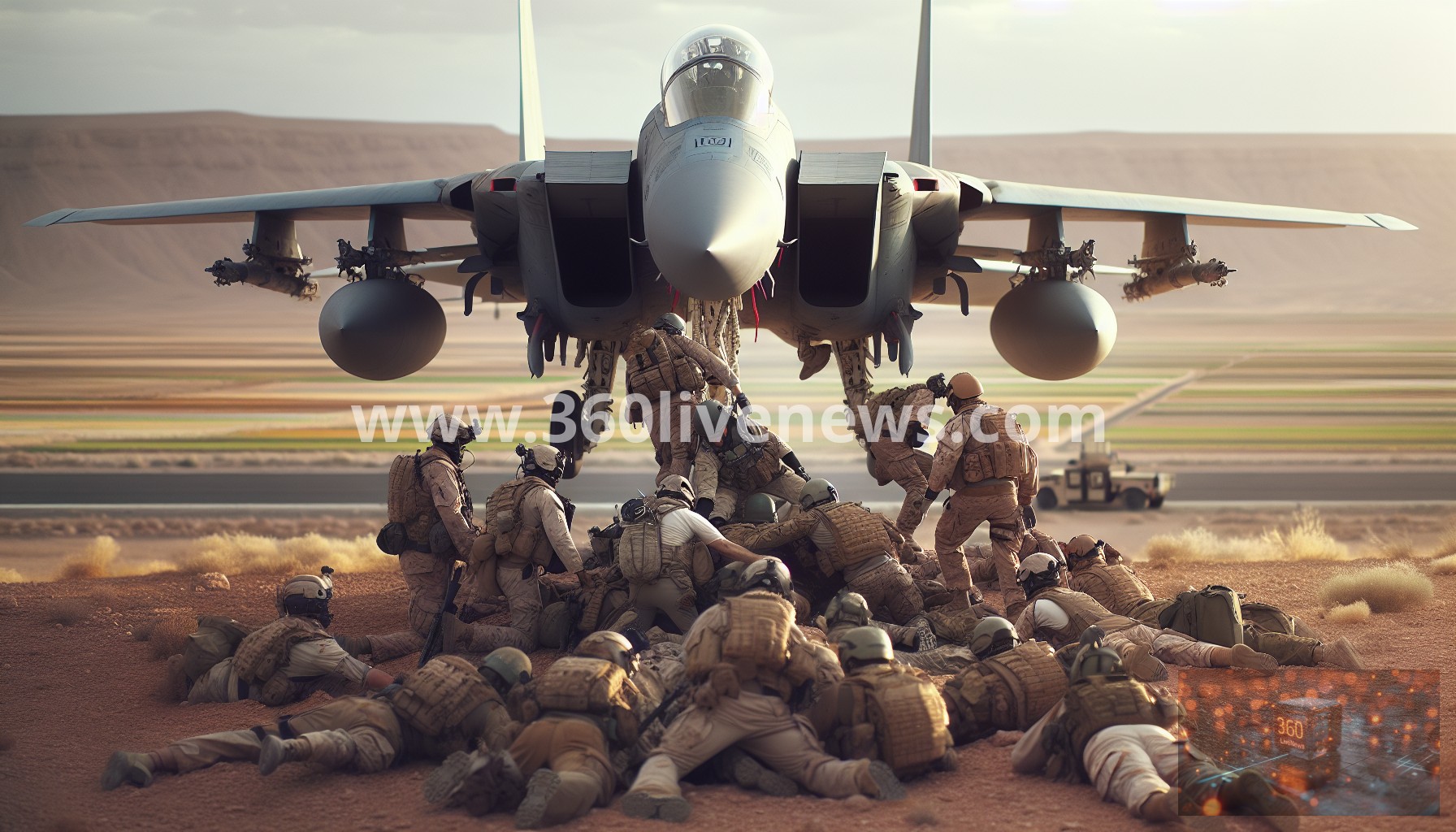
In a significant military action, the United States successfully executed a rescue operation in Iran to save the crew of a downed F-15" target="_blank" rel="nofollow noopener">F-15 fighter jet. President Donald Trump hailed the operation as "historical," remarking on the precision and scale of the mission, which notably resulted in no casualties among U.S. forces. The president indicated that this operation serves as a warning to the Iranian government, which has rejected a proposed ceasefire and faces a potential military escalation if tensions persist.
Details surrounding the rescue remain limited, but during a White House Easter event, Trump highlighted the bravery of the airman saved in this operation, expressing pride in the military's capabilities. Flanked by key military leaders, including U.S. Secretary of Defense Pete Hegseth and Chairman of the Joint Chiefs of Staff Dan Caine, Trump underscored the mission as a "breathtaking show of force." The operation coincides with an urgent political backdrop, as Tehran's dismissal of diplomatic overtures raises the stakes for all parties involved.
Trump's emphatic remarks about the U.S. ability to strike against Iran reflect his administration's tough stance as the deadline for potential military action looms. The president stated, "Their entire country can be taken out in a night and that night could be tomorrow," indicating a readiness to escalate U.S. military efforts should Iran fail to comply with U.S. demands by Tuesday at 8 PM EST.
This act of military intervention aligns with a broader pattern of U.S.-Iran relations, which have been fraught with tension since previous incidents, including Iran’s nuclear ambitions and regional influence, particularly concerning its support for proxy groups across the Middle East. The situation places additional strain on an already complex geopolitical landscape, as diplomatic solutions appear increasingly elusive amid aggressive rhetoric from both sides.
In the aftermath of this military operation, Trump announced the initiation of an investigation into a so-called "leaker" within the administration, whom he accused of revealing sensitive information regarding U.S. military casualties. Trump indicated he may leverage national security protocols to compel disclosures from media outlets responsible for the leak, highlighting the sensitive nature of military operations and the ongoing information warfare that accompanies modern conflicts.
Experts note that the U.S. operation reflects a shift in military strategy under the current administration, emphasizing rapid response and forceful action in response to threats. Analysts contend that such military maneuvers are intended to not only secure immediate objectives but also to send a clear message to adversaries regarding U.S. resolve. However, they caution that these actions could provoke further escalations, leading to broader conflict in the region.
The Iranian government, in response to this operation, has condemned the U.S. military intervention and accused Washington of exacerbating tensions. Iranian officials have called for a united front among regional allies to counter U.S. aggression, underscoring the strategic interests at stake in this unfolding crisis. The regional implications of U.S. military action remain profound, potentially affecting relationships with neighboring countries as they reconsider their ties amid increased instability.
In a world increasingly marked by real-time responses and military interventions, the incident signifies a pivotal moment in U.S.-Iran relations. The unfolding narrative may reshape regional alliances and dictate future diplomatic efforts or military strategies. As Iranian leadership braces for potential U.S. action, the international community watches closely, anticipating the next steps in this high-stakes standoff.
#Iran #Trump #USMilitary #GeopoliticalTensions #MiddleEast #MilitaryOperation #GlobalDiplomacy #NationalSecurity
