Widespread Queues for Cooking Gas Emerge in Delhi Amid Middle East Conflicts and Rising Black Market Prices
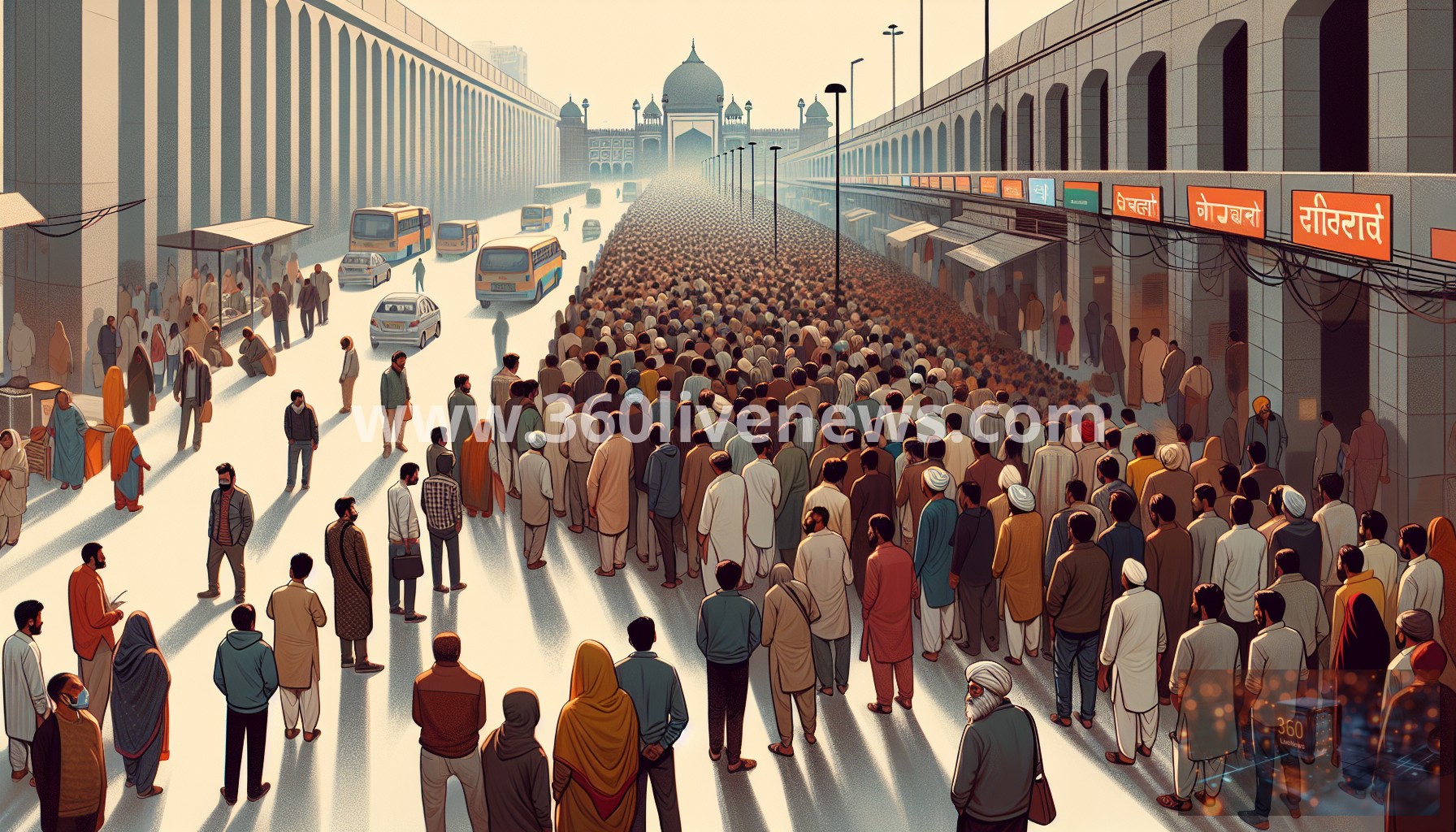
In a pressing situation in Delhi, widespread queues have formed as Indians seek cooking gas, a crucial resource amid ongoing disruptions stemming from escalating conflicts in the Middle East, particularly related to the Iran war. Reports indicate that citizens are resorting to a burgeoning black market, where gas cylinders are being sold at exorbitant prices. The price of these cylinders in the black market is currently reported to be about four times the official price, highlighting the economic strain many face in accessing basic necessities.
One individual, engaged in a typical transaction, was observed purchasing a gas cylinder for 3,500 rupees, equivalent to just over $50. The official price stands significantly lower, revealing the stark disparity and the growing need for citizens to turn to unregulated sources for critical supplies. The shift towards black-market purchases signifies not just a challenge in accessing cooking gas, but also reflects broader economic distress affecting the region.
The dynamics surrounding cooking gas procurement have changed dramatically in recent weeks. As tensions in the Middle East increase, the flow of gas supplies to India has been disrupted. This disruption makes it increasingly difficult for consumers to obtain cooking gas from conventional sources, prompting them to seek alternative routes. The government has yet to implement comprehensive measures to address this supply crisis, thereby exacerbating the problem for average citizens.
Official statements from the relevant agencies have reiterated the importance of maintaining supply chains but have failed to provide tangible solutions to curb the black market's expansion. The Ministry of Petroleum and Natural Gas has been under pressure from various sectors of society to stabilize prices and ensure adequate distribution of gas cylinders. However, promising supply adjustments have yet to manifest in any substantial way.
This growing trend towards black-market activity reminiscent of desperate measures taken during previous crises hints at a deeper systemic issue within India's energy reliance and distribution framework. The Indian government must navigate this delicate balancing act between ensuring energy security while also tackling black-market operations that exploit citizens. The reliance on black-market pricing indicates a severe disconnect between official pricing structures and actual market conditions.
The situation is further complicated by the geopolitical implications of the current Middle Eastern conflict. Countries across the region, including Iran, play significant roles in global energy supplies, and fluctuations in their stability markedly impact nations like India, which depend heavily on imported energy resources. The increasing tension has therefore become not only a national concern but also a matter of international trade and relations.
Historically, India has grappled with fluctuating energy prices, often driven by international relations and internal demand dynamics. The current crisis marks a significant moment that could shape future energy policies. Experts highlight the potential need for a reevaluation of energy procurement strategies, integrating more comprehensive planning to mitigate such shortages and prevent citizens from being forced into unsafe, unregulated markets.
In the absence of effective government intervention, experts warn that the black market will likely continue to flourish, further undermining the official economy and placing consumers at risk of exploitation. Citizens are not only paying inflated prices but are also exposed to potentially unsafe gas supplies, raising public health concerns. It is imperative that the government acknowledge these risks and work swiftly to address both supply shortages and price stabilization.
Ultimately, this current crisis in India serves as a reminder of the intricate relationship between local markets and global events. The evolution of the black market and its acceptance among citizens reflects an urgent need for more robust energy policies. As the Iranian conflict progresses, the implications for India's energy landscape suggest that new, sustainable frameworks must be developed to safeguard future supplies and ensure equitable access to essential resources.
#Gas #India #Iran #EnergyCrisis #BlackMarket #Delhi #Petroleum #Economy
