
UAE Condemns Iran's Attack on Qatar’s Ras Laffan Industrial City
An Iranian attack targeted the Ras Laffan Industrial City in Qatar, inflicting substantial damage on this critical energy infrastructure. The UAE has condemned the strike as a serious escalation that violates international law and endangers regional peace. The incident raises concerns for Qatar’s security and the stability of the Gulf region. Ras Laffan is a major hub for liquefied natural gas (LNG) production, and damage to this facility could disrupt global energy supplies. The UAE has pledged solidarity with Qatar and supports all measures needed to protect citizens and maintain stability. The attack also poses environmental risks and humanitarian concerns,... [Continue Reading]
 360LiveNews | 18 Mar 2026 22:24
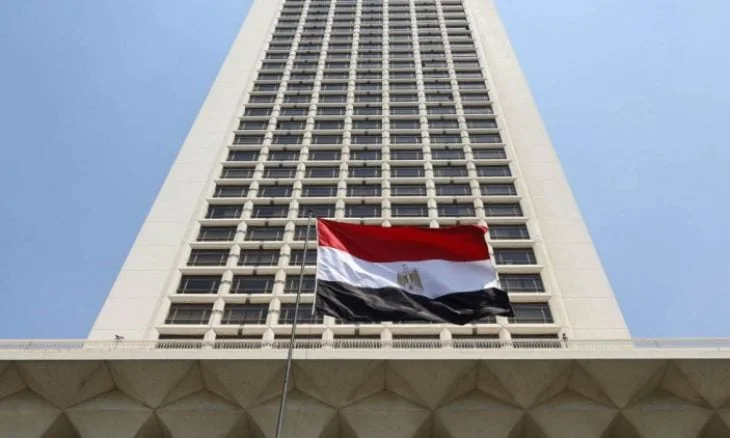
Egypt Condemns Missile and Infrastructure Attacks on Gulf Nations
Egypt issued a strong condemnation of recent missile attacks and sabotage targeting Gulf Cooperation Council (GCC) countries' infrastructure. Among the struck facilities were critical oil and gas enterprises in Qatar's Ras Laffan Industrial City, as well as ballistic missile strikes on Riyadh, Saudi Arabia. These actions represent a direct threat to the region's vital energy infrastructure and the security of Gulf nations. The Egyptian Foreign Ministry explicitly denounced attempts to disrupt the stability of these allies, signaling Egypt’s unwavering support for Qatar, Saudi Arabia, and the wider GCC community. The attacks come amid an already volatile Middle East security environment,... [Continue Reading]
360LiveNews | 18 Mar 2026 22:12

Israel's Killing of Iranian Intelligence Minister Esmail Khatib Marks Escalation in Middle East Conflicts
The recent killing of Iranian Intelligence Minister Esmail Khatib by Israel represents a significant escalation in the ongoing conflicts between the two nations, further destabilizing the geopolitical landscape of the Middle East. The Israeli strike not only targeted Khatib but was also accompanied by an assault on the South Pars natural gas field, a vital component of Iran's energy infrastructure, solidifying the narrative of increased hostility and retaliatory actions from Tehran. Khatib's death was confirmed by Israeli Defence Minister Israel Katz, who stated that Israel will persist in thwarting threats from Iran and its leadership. The action against Khatib is... [Continue Reading]
Iran Launches Ballistic Missile Strike on Qatar's Ras Laffan Industrial City, Causing Significant Explosion
In a significant escalation of tensions in the Middle East, Iran has launched a ballistic missile strike on the Ras Laffan Industrial City in Qatar, the world’s largest natural gas facility. This attack, described as part of a "full scale economic war" by Iran, resulted in a substantial explosion on the site. Eyewitnesses reported seeing large flames and plumes of smoke, leading to immediate responses from emergency services to contain the situation. As confirmed by Qatar’s Ministry of Interior, civil defence units are actively working to manage the fire caused by the missile strike. The state-owned energy company, QatarEnergy, has... [Continue Reading]

Iranian Missile Strike Hits Qatar’s Ras Laffan Industrial City, GCC Condemns Attack
Iran carried out a ballistic missile attack targeting Ras Laffan, one of Qatar’s key industrial zones and hubs for natural gas processing. The strike caused extensive damage to vital energy facilities, escalating tensions in the Gulf region. Ras Laffan is critical not only to Qatar’s economy but also to the global energy supply. The Gulf Cooperation Council (GCC) swiftly condemned the missile strike, labeling it a blatant act of aggression and a gross violation of international laws. GCC Secretary-General Jasem Mohamed Albudaiwi asserted that the attack reflects Iran’s hostile approach, which threatens regional stability and peace. This incident heightens fears... [Continue Reading]
360LiveNews | 18 Mar 2026 20:57


Iran threatens to target oil and gas facilities in Gulf following Israeli attack on South Pars gasfield
Iran has escalated tensions in the Gulf region by threatening to strike multiple oil and gas facilities in response to an Israeli attack on its South Pars gasfield. This development marks a significant increase in hostilities amid ongoing conflicts between Iran and Israel, further fueled by U.S. involvement in the region. Iranian officials have stated their intention to target five specific facilities located in Saudi Arabia, the United Arab Emirates, and Qatar, indicating a swift retaliatory action expected in the coming hours. The Iranian threat was articulated through a statement released by the country’s semiofficial Tasnim news agency, where officials... [Continue Reading]


Calls for Windfall Tax on Oil Companies Rise Amid Conflict in Iran and Soaring Oil Prices
The recent conflict in Iran has sparked significant financial implications, particularly for major oil companies poised to profit considerably from soaring oil prices. With the strikes conducted by the US and Israel against Iranian targets leading to unprecedented disruptions in fuel supply, calls for a windfall tax on these fossil fuel giants are intensifying. Prominent Democratic lawmakers and progressive organizations have joined forces to address these rising profits, which they argue come at the expense of average American consumers. According to reports, the International Energy Agency has identified the ongoing hostilities as the largest disruption to fuel supply in history.... [Continue Reading]


Global Economic Impact of Iran Conflict Leads to Australia's Reserve Bank Raising Cash Rate to 4.1 Percent
The economic repercussions of the ongoing conflict in Iran are beginning to assert a significant influence globally. Recent announcements from various financial institutions indicate a strong reaction to the spike in inflation driven by supply disruptions linked to the situation in Iran. Among these, Australia's Reserve Bank stands out as it recently increased its cash rate for the second consecutive month, raising it to 4.1 percent. This marks a strategic shift as central banks worldwide respond to the inflationary pressures exacerbated by disruptions in oil and gas supplies. The Reserve Bank of Australia (RBA) is leading the charge, becoming one... [Continue Reading]

Iran conflict enters 18th day amid escalating tensions and global economic impact
The war on Iran has entered its 18th day, showing no signs of abating as tensions escalate around the region. Following military strikes led by the United States and Israel, there has been a significant increase in volatility affecting not just the immediate conflict zones but also the global economy. Recent developments have also prompted a renewed focus on the situation in the occupied West Bank, where the fallout from the Iran war is tangibly felt by local communities. Since the onset of the armed conflict, which began with military actions on February 28, analysts noted that the gold market,... [Continue Reading]

UK Reports Over 900 Iranian Missiles Fired Amid Middle East Conflict Impacting Global Economy
The UK Foreign Secretary revealed today that Iran has launched more than 900 missiles and 3,000 drones targeting 13 countries in the Middle East since the conflict began. These attacks have primarily aimed at countries allied with the UK, where hundreds of thousands of British nationals live, work, and travel. Though regional air defenses have intercepted most strikes, damage to vital infrastructure such as oil export facilities, gas plants, ports, and airports has been reported, disrupting global energy markets and posing risks to the UK economy. The Strait of Hormuz, a critical chokepoint for global oil shipments, has faced restrictions... [Continue Reading]
360LiveNews | 17 Mar 2026 15:12
Israeli airstrikes reportedly kill Iran's national security chief Ali Larijani and Basij militia commander Gholamreza Soleimani
Israeli airstrikes overnight have reportedly killed Iran's national security chief, Ali Larijani, and the commander of the Basij militia, Gholamreza Soleimani. Israeli Defense Minister Israel Katz made the announcement earlier today, stating that if confirmed, Larijani's death would mark a significant escalation in the ongoing conflict, making him the highest-ranking Iranian official to die in this war since the killing of Supreme Leader Ali Khamenei on the conflict's first day. The strikes are part of a broader series of military operations conducted by Israel aimed at Iranian targets, particularly in response to increasing tensions in the region attributed to Iran's... [Continue Reading]


Sri Lanka declares public holiday on Wednesdays to conserve fuel amid geopolitical tensions affecting oil imports
Sri Lanka has initiated significant austerity measures as the island nation faces potential fuel shortages linked to the ongoing conflict involving the United States and Israel against Iran. In an emergency meeting convened by President Anura Kumara Dissanayake, the government declared every Wednesday a public holiday for government institutions to conserve fuel supplies. This decision marks a critical response to the geopolitical tensions affecting oil imports through the vital Strait of Hormuz. The urgency of Sri Lanka's decision stems from the broader implications of the conflict on fuel availability, particularly for Asia, which is the world's largest oil-importing region. The... [Continue Reading]

Israel's military begins limited ground operations in southern Lebanon amid rising regional tensions and security threats
Israel's military initiated limited ground operations in southern Lebanon as tensions in the region increase, particularly concerning the ongoing conflict involving Iran. The operations come in response to security threats posed by militant groups operating from Lebanon. This development marks a significant escalation in the already volatile situation, as Israel continues to align its military strategy with broader initiatives aimed at countering Iranian influence in the region. According to various reports, these limited operations are part of Israel's continued efforts to fortify its northern border. The Israeli Defense Forces (IDF) have been actively engaged in operations intended to preempt attacks... [Continue Reading]

UN Climate Chief Urges Shift to Renewables Amid Energy Price Surge from Conflicts
Global energy markets are facing severe disruption as recent conflicts, notably in the Middle East and Ukraine, drive up oil and gas prices. This surge is creating widespread economic and supply chain challenges worldwide. The volatility emphasizes the risks of relying on fossil fuels transported through politically unstable regions and vulnerable shipping routes. Simon Stiell, Executive Secretary of the UN Framework Convention on Climate Change, highlighted these challenges during the 2026 Green Growth Summit in Brussels. He underscored the strategic advantage of renewable energy sources, which are not dependent on geopolitically sensitive areas or costly military protection. Renewables like solar... [Continue Reading]
360LiveNews | 16 Mar 2026 05:51


Global tensions rise as Trump calls for allied warships in the Strait of Hormuz amid Iranian disruptions
Global tensions surrounding the Strait of Hormuz have surged following a direct call from U.S. President Donald Trump for allied nations to deploy warships to the vital shipping corridor, which has been subjected to disruptive actions by Iran. Countries such as the United Kingdom, China, Japan, and South Korea are still deliberating their response to this request, as stated by multiple sources. The Strait of Hormuz, critical for international oil supplies, is currently facing violent blockades enforced by Iranian forces, impacting shipping security in a region that accounts for approximately a fifth of global oil transportation. President Trump's urging for... [Continue Reading]


UK Government Prepared to Intervene in Energy Markets Amid Rising Costs from US-Israel War in Iran
In a rapidly evolving situation prompted by the US-Israel war in Iran, Energy Secretary Ed Miliband has stated that the UK government is prepared to intervene in energy markets if domestic energy costs surge as a result of the ongoing conflict. Speaking on the BBC's Sunday with Laura Kuenssberg programme, Miliband emphasized that the government is "preparing for all eventualities" to support households impacted by rising energy prices. Miliband’s comments come in the wake of significant volatility in oil and gas prices, attributed largely to geopolitical tensions surrounding the strait of Hormuz, through which approximately 20% of the world's oil... [Continue Reading]


Trump urges international allies to assist in securing Strait of Hormuz amid escalating tensions with Iran
As tensions escalate in the Gulf region following military actions from the United States and Israel against Iran, US President Donald Trump has called on France, the United Kingdom, China, Japan, and South Korea to assist in maintaining security in the strategically vital Strait of Hormuz. This plea comes as the conflict enters its third week, disrupting maritime operations critical to global oil transport, with the strait historically facilitating the passage of approximately 20% of the world's oil and gas. On Saturday, Trump expressed his hopes for the deployment of naval ships from these nations to cooperate with US forces... [Continue Reading]


U.S. and Israel escalate military campaign against Iran with bombing raid on Kharg Island, a key oil export hub
The ongoing military campaign initiated by the United States and Israel against Iran has recently intensified, as U.S. President Donald Trump declared a significant bombing raid on Iran’s Kharg Island, a critical hub for the country's oil exports. This operation is seen as one of the most formidable attacks in the Middle East in recent history. The announcement comes just over a week into a conflict that has sparked global political and economic concerns, particularly in Europe. President Trump boasted on social media that U.S. forces had "totally obliterated" military targets on Kharg Island, which handles approximately 90% of Iran's... [Continue Reading]


Chancellor Rachel Reeves to unveil support package for households facing rising heating oil costs next week
Chancellor Rachel Reeves has announced a forthcoming package of support aimed at households facing increased heating oil costs, which have been exacerbated by the ongoing effects of the US-Israel war in Iran. In a recent interview with the Times, Reeves confirmed that she has "found the money" to assist families struggling with soaring energy bills, particularly in rural areas not connected to the main gas grid. The announcement of this financial aid is expected early next week. The price of heating oil, commonly used by approximately 1.7 million households in England and Wales for heating and hot water, has surged... [Continue Reading]
Israel Conducts Airstrikes on Tehran Amid Intensifying Conflict with Iran
In a significant escalation of hostilities, Israel has launched heavy airstrikes on Tehran and other locations as the conflict with Iran continues to intensify. These strikes are part of a broader confrontation that has seen increased military actions from both sides, with Iranian allies also initiating retaliatory assaults across the Gulf region. The situation has led to severe disruptions in shipping through the Strait of Hormuz, a critical chokepoint for global oil supply, raising global energy prices. The United Nations Security Council has expressed concern over the escalating violence, urging both parties to seek diplomatic solutions. New reports confirm that... [Continue Reading]


Academy Awards to Enhance Security Amid FBI Warnings of Potential Drone Attack from Iran
The Academy Awards organizers are ramping up security protocols as the FBI has issued warnings regarding a potential drone attack from Iran. Following a recent escalation in hostilities between the United States and Iran, the threat now extends to California, where authorities are cautioning about possible Iranian actions against U.S. locations. The current tensions arose after the United States launched a significant military operation to target Iran's uranium enrichment facilities and eliminate its Supreme Leader, Ayatollah Ali Khamenei. Reports indicate that this intervention has led to a humanitarian crisis in Iran, claiming at least 1,348 lives and displacing approximately 3.2... [Continue Reading]


UN Security Council Holds Key Votes on Middle East Conflict Amid Escalating Tensions Involving Iran, US, and Israel
The ongoing conflict involving Iran saw a significant diplomatic moment at the UN Security Council, where two critical votes were held on the current situation in the Middle East. These votes were the first since military action had escalated, following recent strikes initiated by the United States and Israel against Iran. The resulting dynamics underscore the complexities and divisions within international responses to the conflict. The first resolution, which was sponsored by Bahrain, aimed to condemn Iran for its actions. This resolution was adopted, reflecting support primarily from countries aligned with the U.S. However, it notably did not include any... [Continue Reading]
The Madness of Power, From Balfour to the Edge of World War Three
A Voice in the Wilderness of War: Who Still Dares to Speak Truth While Empires March There are moments in history when the world suddenly accelerates toward disaster, moments when anyone who has studied history can feel the temperature rising even before the explosions reach their peak. The current escalation in the Middle East is one of those moments. According to the facts we now see unfolding, the United States and Israel made the unilateral decision to attack Iran without the approval of the United Nations, without a global coalition mandate, and without the support of most of the international... [Continue Reading]
360LiveNews | 06 Mar 2026 17:20