Cameroon confirms deaths of 16 soldiers fighting as contractors for Russia in Ukraine war
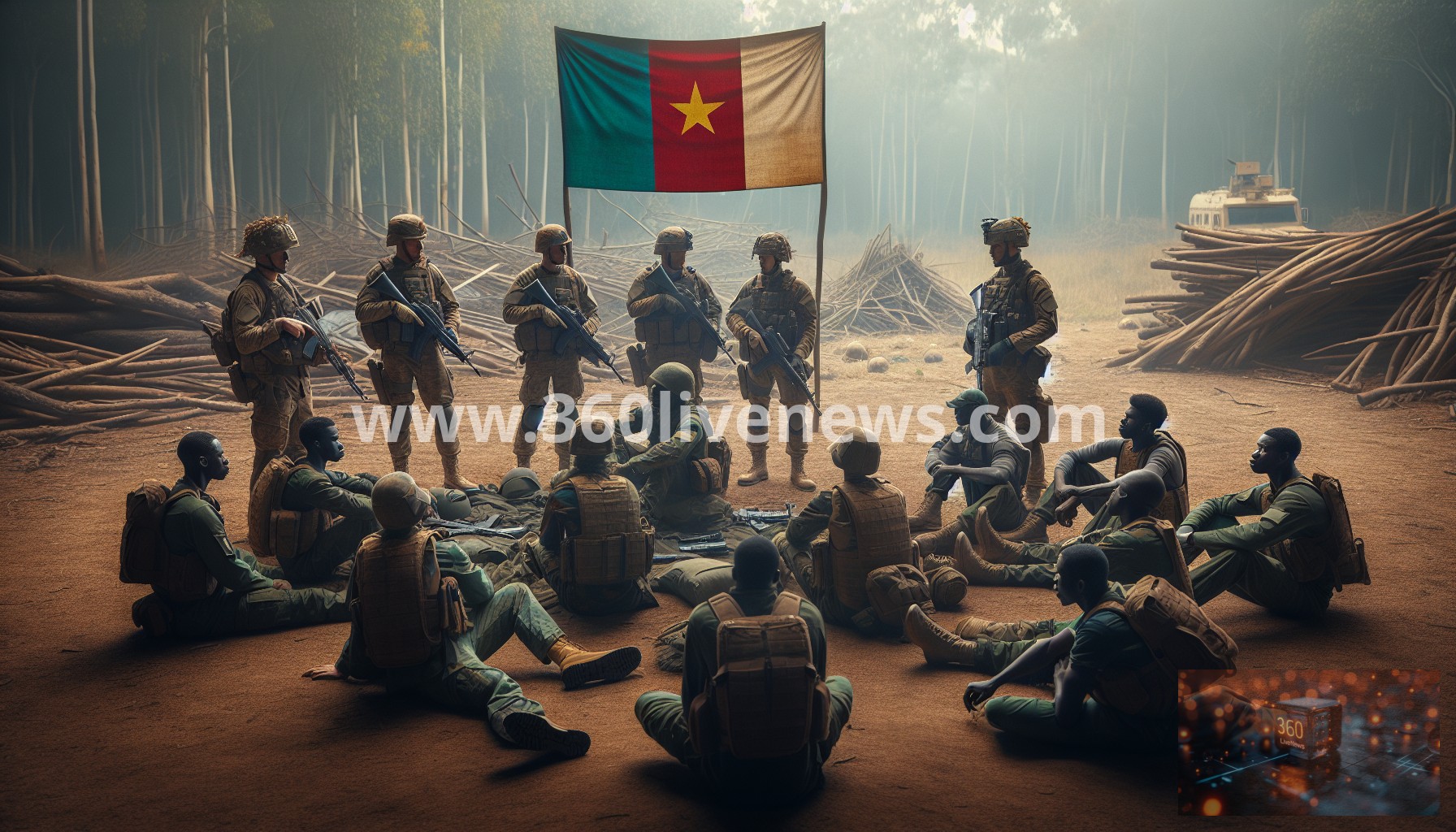
In a significant acknowledgment of its nationals' involvement in international conflict, Cameroon has confirmed the deaths of 16 soldiers, identified as military contractors, who were killed while fighting for Russia in the ongoing war against Ukraine. This announcement marks the first public recognition by the Cameroonian government of its citizens participating in warfare outside the country, specifically in the context of the Russia-Ukraine war.
The confirmation was delivered through a statement by Cameroon’s Foreign Ministry, which was broadcast on state media late on Monday. The ministry has urged families of the deceased soldiers to reach out to officials in Yaoundé, the capital of Cameroon, indicating a formal procedure for addressing the aftermath of this troubling news. Details surrounding how these soldiers became involved in the conflict remain unclear, as there has been no official explanation provided regarding their recruitment or deployment to Ukraine.
According to the Cameroonian diplomatic note dated Monday and reviewed by Reuters, the soldiers were referred to as “military contractors of Cameroonian nationality” operating in a region designated as a special military operation zone. This term has been utilized by Russia since the onset of its full-scale invasion of Ukraine in early 2022, reflecting Moscow's framing of its military endeavors in Ukraine as a matter of national security rather than territorial aggression.
While Cameroon’s acknowledgment sheds light on the international composition of forces involved in the Ukraine conflict, it also raises broader questions regarding the role of foreign soldiers in Russia’s military strategy. Throughout the war, Moscow has incorporated fighters from various countries to bolster its ranks, often utilizing mercenary groups and private military contractors. This approach has drawn both criticism and attention, as such enlistments often blur the lines between official military deployments and mercenary operations.
The involvement of foreign troops, particularly those from African nations like Cameroon, adds a complex layer to the geopolitical landscape surrounding the conflict. As tensions escalate in Europe and beyond, the implications of such arrangements could reverberate through international diplomatic channels. Cameroon's engagement in this context may also highlight the historic ties and military relationships that exist between Russia and several African countries.
On a related note, the situation is currently evolving against a backdrop of heightened military activity in the Middle East, notably in Saudi Arabia. Just as Cameroon grapples with the consequences of its nationals' involvement in the Ukraine war, Saudi Arabia has reported recent Iranian missile strikes targeting industrial sites. These incidents underscore the ongoing volatility in the region, with Saudi authorities noting intercepts of several ballistic missiles as debris fell near critical energy facilities. Such developments are part of a broader narrative of regional conflicts that could also engage the interests of superpowers like Russia and Iran.
The implications of these events are manifold. On one hand, Cameroon's acknowledgment of its soldiers in Ukraine reflects the complexities of involvement in global conflicts, where national policies, economic conditions, and wartime contracts intersect. On the other hand, the situation in Saudi Arabia adds an additional layer of security concerns that might influence how these conflicts are approached on the international stage. As nations navigate the geopolitical fallout from such engagements, they will face pressures from both domestic constituencies and foreign relations.
As this story continues to develop, it raises critical questions regarding the responsibilities of national governments towards their citizens engaged in foreign conflicts, the ethical dimensions of employing military contractors, and the potential ramifications of military alliances in increasingly polarized geopolitical environments.
In response to these evolving scenarios, it remains crucial for policymakers in Cameroon and other affected nations to clarify their stances on such involvements. Moreover, international bodies, including the United Nations and regional organizations, may need to scrutinize the growing trend of foreign military contractors participating in conflicts across the globe, ensuring adherence to legal and ethical standards in warfare.
#Cameroon #Russia #Ukraine #Military #ForeignContractors #MissileStrikes #SaudiArabia #Iran
