Iranians Form Human Chains in Protest Against US Threats to Target Vital Infrastructure
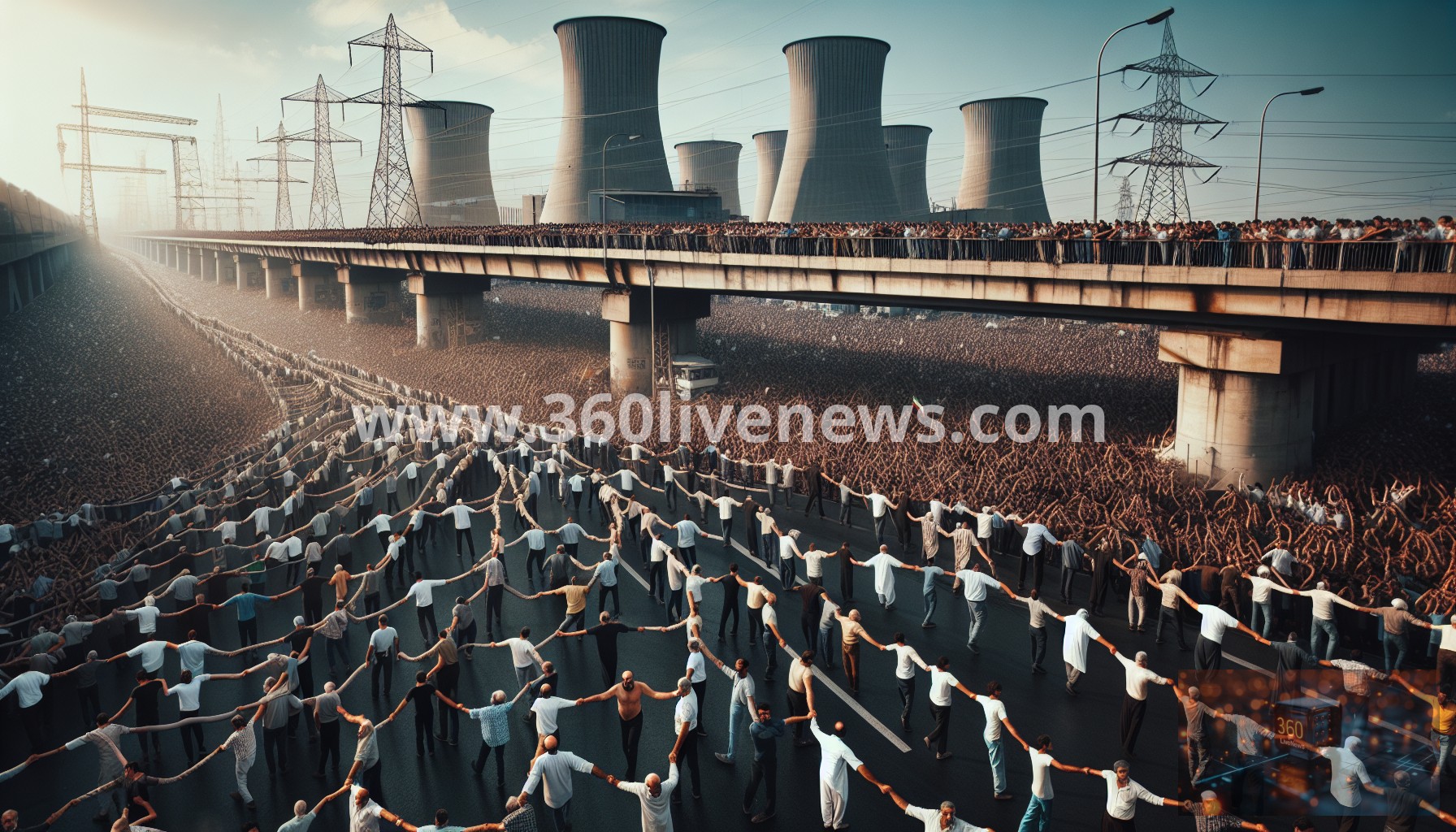
In a powerful response to escalating tensions, Iranians formed human chains across bridges and in front of power plants throughout the nation. This protest was sparked by US President Donald Trump's recent threats to target vital infrastructure, which he claims would effectively push Iran back to the "Stone Age." The protests symbolize growing unrest among Iranian citizens who fear the implications of such military actions.
As threats from the US intensify, with warnings aimed at vital Iranian structures, the potential fallout is drawing concern from various analysts. Amidst the ongoing conflict in the region, experts predict that further military actions by the US could lead to a cycle of retaliation, deepening instability in both Iran and surrounding markets. Naveed Shah, political director at Common Defense, an advocacy group of US veterans, stated that should the conflict continue to escalate, it is unlikely that a swift resolution will be achieved.
The protests took place as the US-Israel conflict with Iran enters its sixth week, escalating fears of a longer engagement in the region. Demonstrators not only aim to highlight their disapproval of Trump's threats but also to illustrate their solidarity and resolve against military aggression that could destabilize their country further.
Historically, the relationship between the United States and Iran has been fraught with tension, particularly since the Iranian Revolution, which transformed Iran’s political landscape and led to the severance of US-Iran diplomatic relations. The US has maintained a contentious stance towards Iran, including comprehensive sanctions targeting its economy and military capabilities, further straining diplomatic efforts. This legacy of hostility forms a backdrop to the current situation, amplifying the stakes of recent threats.
Moreover, Trump's portrayal of the Iranian military capabilities through inflammatory rhetoric poses risks for both nations and increases geopolitical instability. As analysts observe, any US military action targeting Iranian civilian infrastructure would likely provoke widespread dissent within Iran, leading to possible retaliatory strikes against US interests in the region, including those of its allies.
The timing of the protests also reflects imminent deadlines set by the US administration for Iran to respond to its demands, provoking reactions ranging from civil unrest to silent dissent throughout the country. Reports indicate that the Iranian government has been on alert for any supportive public demonstrations against US antagonism and is likely monitoring these protests closely for any signs of organized resistance.
Internationally, the implications of this tension extend far beyond the borders of Iran. With nations constantly gauging the US's credibility and military resolve, moves towards military escalation could potentially shift alliances in the Middle East. Experts observe that the US relationship with Israel continues to be a significant factor, with recent actions viewed as direct support for Israeli military policies towards Iran that have agitated many in the region.
Political analysts suggest that, should these protests represent a larger movement opposing US foreign policy, the repercussions could influence international dialogue and negotiations concerning nuclear agreements and regional security. In addition, the potential for further confrontations raises alarms about oil prices and broader economic impacts, affecting global markets already sensitive to disruptions in the Middle East.
Moreover, the human chains symbolize not just an opposition to the prospect of war, but also a plea for stability and commitment to diplomacy over conflict. Many Iranians see this form of peaceful protest as a pivotal way to remind the world of their desire for sovereign rights, rather than seeing their country characterized purely through the lens of conflict. Such messaging underlines the diverse forms of resistance being adopted by citizens determined to impact international perceptions and foster dialogue.
As the situation develops, the focus remains on whether these protests can sway both public opinion in the West and the political calculus of leaders in Tehran. With the stakes escalated, the eyes of the world are watching how this humanitarian defiance against military threats might reshape the narrative surrounding Iran, potentially calling for renewed discussions rather than military confrontation.
#Iran #Trump #US #Protests #MiddleEast #Conflict #Diplomacy #Military
