Operational activities suspended at Saudi energy facilities following drone and missile attacks, resulting in one death and seven injuries
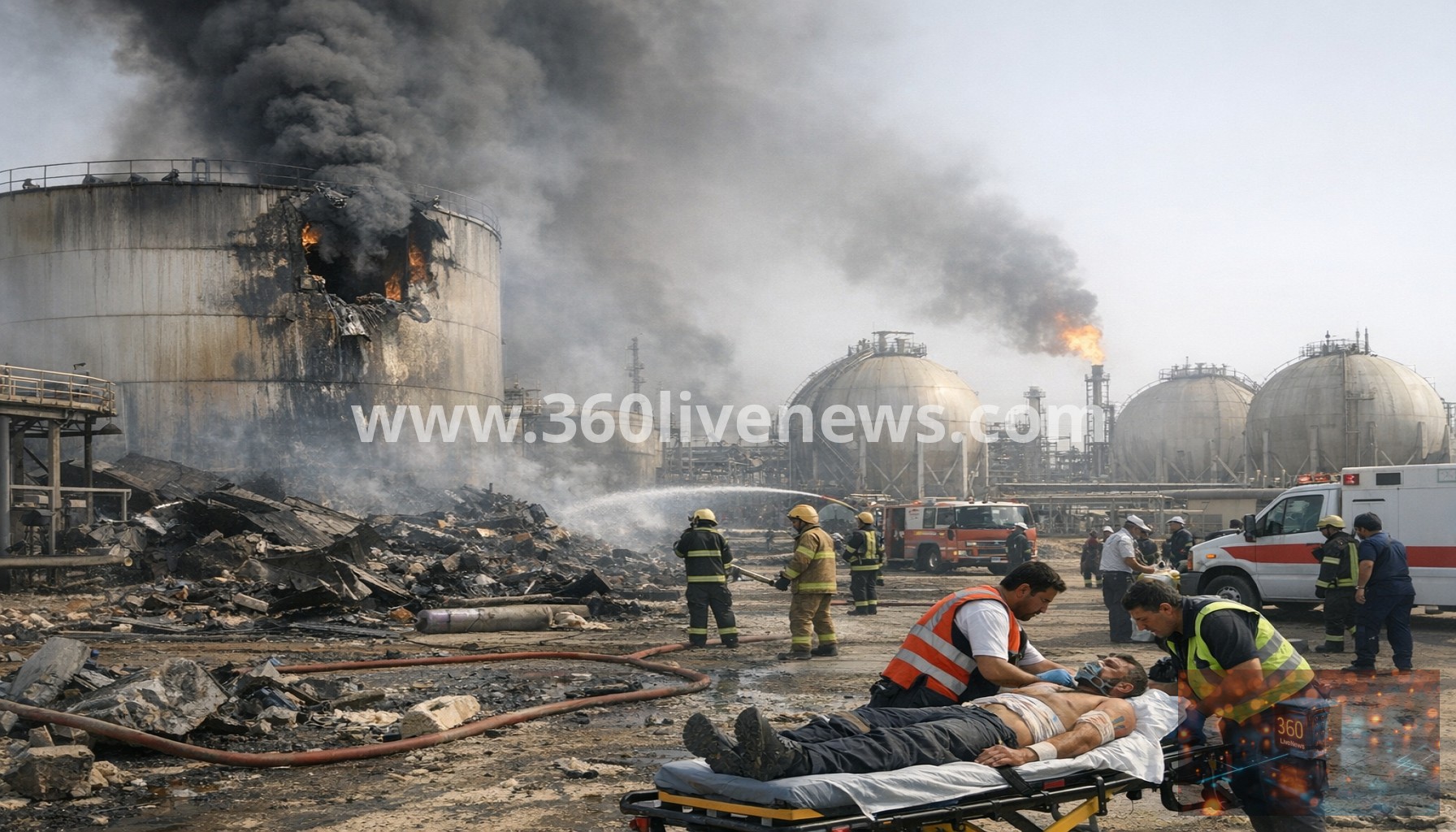
In recent developments, operational activities have been suspended at several energy facilities across Saudi Arabia due to a series of drone and missile attacks. Reports from the Saudi Press Agency, citing an official from the Ministry of Energy, indicate that these attacks have significantly impacted the country’s energy sector, resulting in the loss of one life and injuries to seven others as of Thursday evening.
The strikes targeted vital infrastructure in key regions including Riyadh, the Eastern Province, and Yanbu Industrial City. The assault has led to a substantial reduction in Saudi Arabia's oil production capacity, decreasing by approximately 600,000 barrels per day. This escalation of violence is a response from Iran to the ongoing military actions by the US and Israel against Iranian interests, which began in late February. Iran has launched repeated attacks on various Gulf nations, particularly Saudi Arabia, as retaliation.
In a related context, the conflict has seen Iran's Supreme Leader, Mojtaba Khamenei, declare a "final victory" in the war against Israel and the US, despite ongoing hostilities. Khamenei stated that Iran aims to seek compensation for the damages incurred due to what he describes as aggressive actions by these external powers. The formal response from Iran, along with the continued assaults on critical infrastructure in the Gulf, showcases a considerable escalation of regional tensions.
The situation in Saudi Arabia is dire; the Ministry of Energy has expressed concerns about the implications of these disruptions on the nation’s oil supply and the global energy market. A Saudi official emphasized the difficulties faced due to the slowed recovery process following the attacks, which will likely limit operational capabilities for the foreseeable future.
The Gulf Cooperation Council (GCC), comprising Saudi Arabia, the United Arab Emirates, Bahrain, Kuwait, Oman, and Qatar, has been increasingly under threat from Iran. The recent barrage of attacks may compel a reassessment of regional security strategies and alliances. Iranian drone capabilities reportedly have advanced, complicating the offensive and defensive strategies in place for protecting critical energy assets.
Geopolitically, this ongoing violence complicates an already precarious landscape shaped by historical grievances and mutual distrust between Iran and the GCC states. The controversial nuclear agreement, and subsequent withdrawals from it by the US, have heightened tensions, leaving GCC member states in a vulnerable position. The military developments against Iran have led to increased military readiness in these Gulf nations, as they brace for possible further escalations.
The implications extend beyond local borders, with potential consequences for global oil markets, which could face significant price fluctuations depending on the duration and impact of the halted operations in Saudi Arabia. As one of the leading global oil producers, Saudi Arabia's capacity constraints will reverberate through international energy markets, potentially leading to increased prices amid a fragile supply chain.
Economic analysts have begun to predict the possible ramifications of the attacks on energy prices, as continued conflicts could hinder recovery efforts post-pandemic. The urgency of restoring operational capacities becomes crucial not only for domestic energy security but for maintaining the kingdom's role in stabilizing global oil markets.
In summary, the current cessation of operations at Saudi Arabia's energy facilities represents a significant escalation in the ongoing regional conflict, exacerbated by Iran's retaliation to perceived aggression from the US and its allies. The resulting operational halt at these critical sites reveals the vulnerability of national infrastructure to such attacks, reinforcing the dire need for cohesive regional security cooperation and policy discourse moving forward.
#SaudiArabia #MiddleEast #Drones #Oil #Iran #EnergyPolicy #GulfCooperationCouncil #US