Protests over rising fuel prices in Ireland disrupt travel and lead to military intervention for third consecutive day
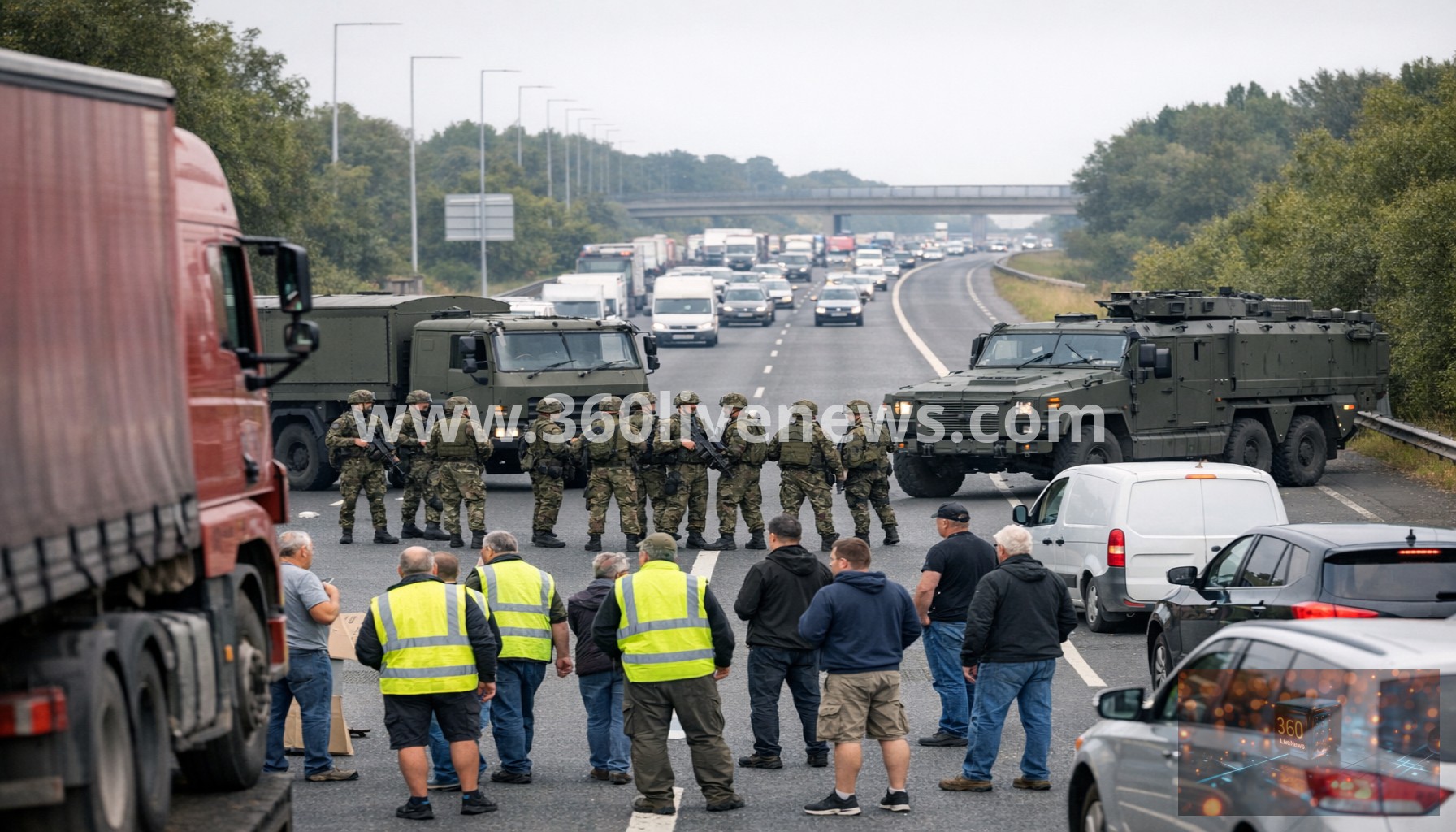
Protests against soaring fuel prices in the Republic of Ireland have intensified, causing significant disruptions to travel and prompting the intervention of the military. As demonstrators voice their frustrations, people are spotted walking along Dublin's M50 motorway towards Dublin Airport, with many carrying their luggage due to roadblocks caused by protest vehicles. This disruption marks the continuation of protests that have persisted for three consecutive days.
The current wave of demonstrations is largely attributed to the impact of rising fuel costs linked to geopolitical tensions involving the United States and Israel's military actions in Iran. As protesters stage slow-moving convoys across various parts of the country, the Irish police have characterized these gatherings at fuel depots as "blockades," suggesting a more serious approach to managing the ongoing civil unrest. Irish authorities, faced with escalating tensions, have called in military support to assist police in clearing vehicles obstructing main thoroughfares.
As the situation progresses, the Irish Minister for Agriculture, Martin Heydon, is set to meet with representatives from various sectors on Friday to discuss the ongoing challenges posed by high fuel prices. This meeting aims to address the grievances raised by those participating in the protests, although it has been noted that the government is refraining from directly engaging with protest leaders. This decision has raised questions about the effectiveness of the government's response amid rising public discontent.
In comments made to the Irish broadcaster RTÉ, Minister of State Timmy Dooley confirmed that invitations had been sent to representative bodies to facilitate discussions that originated the previous week. Despite these ongoing dialogues, the lack of direct contact with the protest representatives has led some to doubt the sincerity of the government's outreach efforts, particularly as public sentiment continues to swell against perceived inaction on fuel prices.
The context of these protests can be traced back to several economic challenges faced by consumers in recent times. With global fuel prices being affected by international conflicts and sanctions, citizens are experiencing increased financial strain at the petrol pumps. The current protests underscore a broader frustration within society regarding cost-of-living issues, exacerbated by external conflicts that appear to be extending their economic repercussions to local communities.
The situation poses potential geopolitical implications, as domestic unrest is often a reflection of broader international dynamics. Ireland's strategic relationship with both the US and EU puts it at the nexus of diplomatic discussions about energy security and economic cooperation. As reliance on fuel imports becomes increasingly tricky in light of international relations, the Irish government must navigate a delicate balance between addressing citizen concerns and maintaining its international commitments.
Experts suggest that unless actionable solutions are put forward, the cycle of protests may not show signs of abating. This situation presents a crucial moment for policymakers facing public unrest, with calls for transparent communications and decisive action becoming ever more pressing. Given the increasing volatility associated with fuel prices worldwide, Ireland's domestically driven protests may serve as a microcosm for larger global trends in energy economics and public sentiment.
While the government considers its next steps, public frustration seems poised to continue as a significant societal force. With oil and gas markets responding to complicated geopolitical events, the lessons learned from this unrest might shape future approaches to energy pricing and social welfare policies within the Republic of Ireland. How the Irish government engages with citizens on this issue may define its political landscape for years to come, especially with local elections on the horizon.
In the immediate term, many are left grappling with the impacts of travel disruptions, arising not only from the protests but from the broader ramifications of changing fuel prices. As protesters continue their demonstrations, many citizens hope their voices will lead to meaningful change and relief in an increasingly challenging economic environment.
#Ireland #fuel #protests #US #Israel #Iran #government #energy