OECD reports 23 percent decline in international development aid amid rising humanitarian needs and US foreign aid reduction
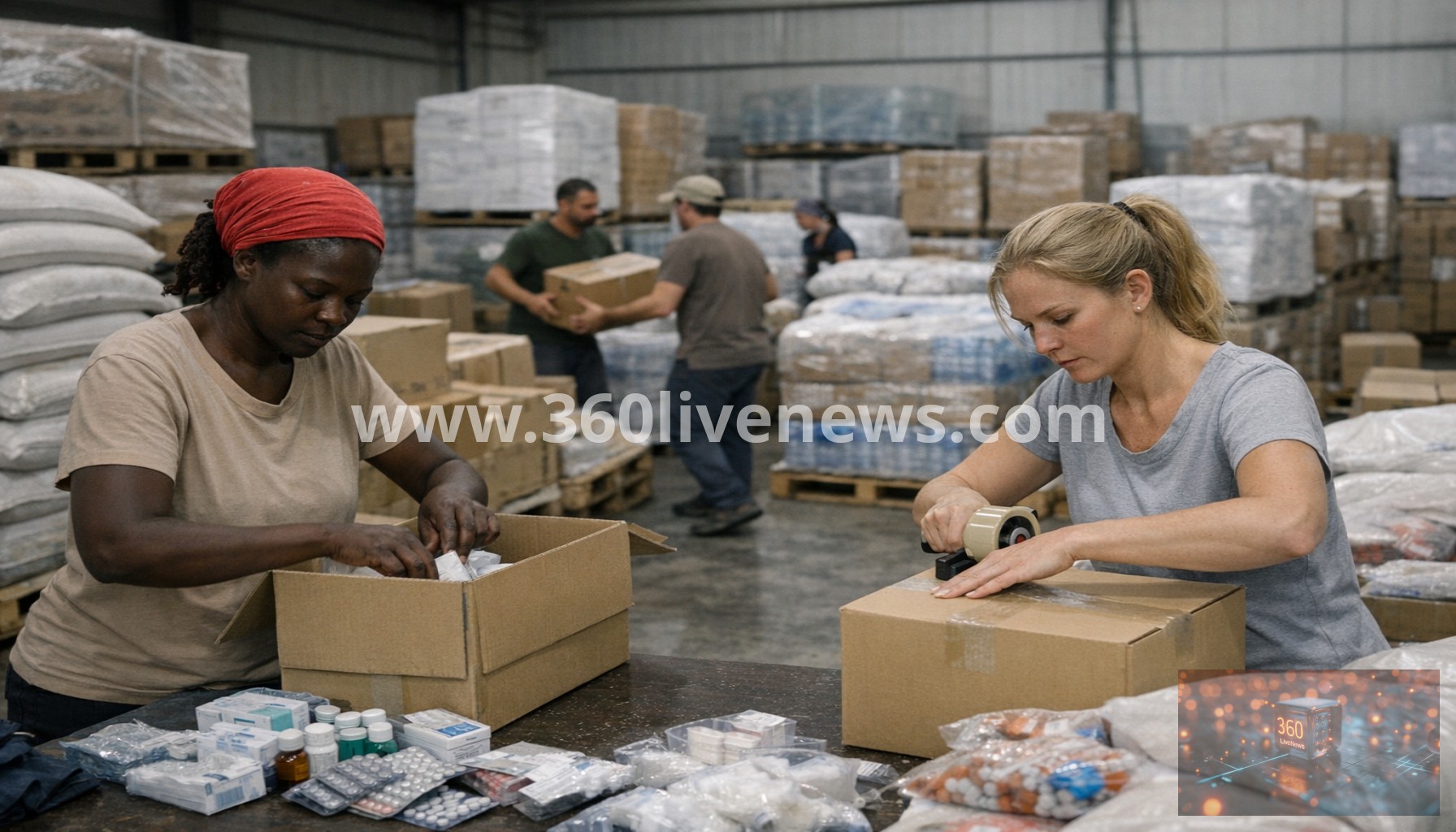
Recent data reported by the Organisation for Economic Co-operation and Development (OECD) has revealed a significant decline in international development aid, which fell by approximately 23 percent from 2024 to 2025. This decline is particularly attributed to a dramatic 57 percent reduction in foreign aid from the United States, raising concerns amid escalating humanitarian needs in various regions around the world.
This announcement comes amidst a backdrop of ongoing violence in Lebanon, where a recent surge of Israeli airstrikes has devastated parts of Beirut, leaving extensive damage in their wake. Reports indicate that areas like Achrafieh and the eastern districts of the capital have experienced some of the most severe destruction, with numerous buildings reduced to rubble. As the situation unfolds, the impact on local communities is being assessed, revealing urgent humanitarian crises compounded by both military action and diminishing international aid.
Iranian officials have expressed strong concerns regarding U.S. involvement in the region, cautioning that any continued support for Israeli military operations could jeopardize regional stability. Iranian Foreign Minister Abbas Araghchi explicitly stated that allowing Israel to persist with its attacks might undermine ongoing diplomatic efforts to secure a ceasefire, further complicating an already volatile situation. Such tensions highlight the complex interplay of regional politics, where the U.S. has a significant influence through both military and financial support.
As confirmed by local sources, hundreds of casualties have already been reported due to the military actions, with calls for immediate humanitarian assistance growing louder. The bombed neighborhoods of Beirut are facing dire conditions, underscoring the urgent need for food, medical supplies, and shelter for displaced residents. With aid budgets slashed, the ability to respond effectively to this urgent humanitarian crisis is diminishing.
The OECD’s outlined reductions in foreign aid are not isolated to the United States. Other major contributors, including Germany, the United Kingdom, Japan, and France, also reported declines in their foreign assistance programs. The combined effect of these cuts could severely hinder humanitarian operations globally, particularly in crisis zones like Lebanon, where the need for support is pronounced.
The implications of these cuts extend beyond immediate relief efforts; they may alter the dynamic of international engagement in conflict-affected regions. The lack of funding may embolden aggressive military tactics, evidenced by recent Israeli strikes, as nations reassess their foreign aid commitments against domestic concerns and budgetary restrictions. In this context, diplomatic interventions may also be weakened, as countries prioritize internal issues over international responsibilities.
Experts are urging for a comprehensive evaluation of these aid reductions and their potential fallout. Policies that have traditionally governed international development funding may need to be reexamined, especially in light of the newly emerging humanitarian needs resulting from ongoing conflicts. Failure to engage with these pressing issues could lead to further destabilization not only in Lebanon but across the wider Middle East.
As geopolitical tensions grow, the international community faces a critical juncture. The implications of diminishing foreign aid and ongoing military operations in Lebanon signal that a failure to address these challenges could lead to widespread humanitarian crises. Observers are calling for renewed diplomatic efforts that prioritize peace and security to mitigate further escalation of violence as local humanitarian needs remain unmet amidst political uncertainty.
In conclusion, the intersecting issues of declining foreign aid and the ongoing violence in Lebanon present a complex, urgent challenge for regional stability. The call for a comprehensive approach must involve multilateral cooperation while enhancing aid frameworks to adequately address the escalating humanitarian crisis that continues to unfold. As both local and international leaders assess the situation, the path forward must prioritize peace to avoid catastrophic outcomes for vulnerable populations caught in conflict.
#OECD #humanitarianaid #Beirut #Israel Iran">#Iran #foreignaid #AbbasAraghchi #Lebanon #foreignpolicy #internationalcooperation #humanrights diplomacy">#diplomacy #politicalinstability