Shipping operations in Strait of Hormuz remain disrupted despite US-Iran ceasefire agreement
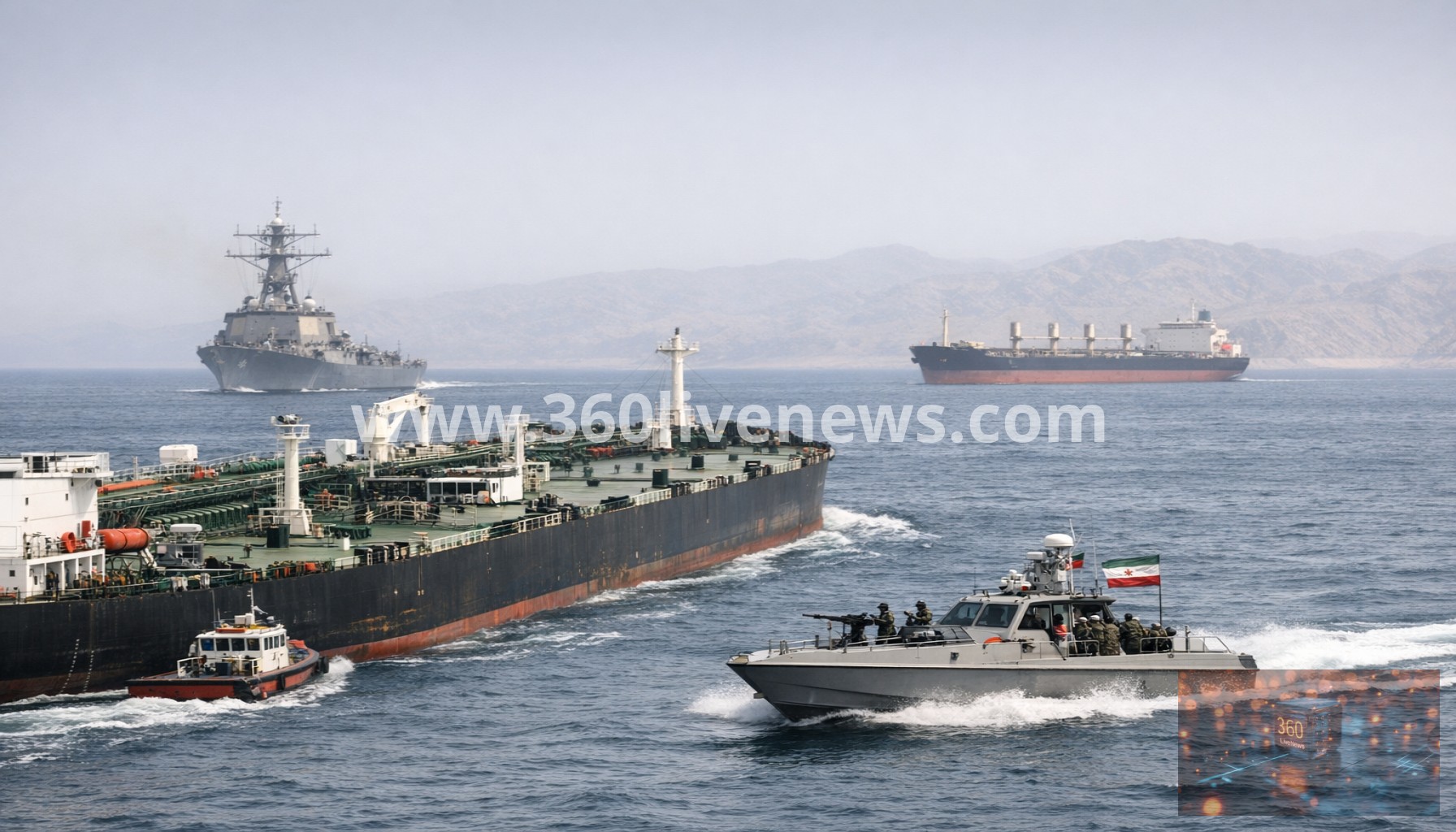
Shipping operations in the critically important Strait of Hormuz remain severely disrupted following a ceasefire agreement between the United States and Iran, which was announced on Tuesday. The agreement intended to establish a temporary two-week pause in the ongoing hostilities between the two nations but has not resulted in the expected increase in maritime traffic. Reports indicate that only a few vessels have successfully transited the strait since the ceasefire was declared, raising concerns over one of the most significant energy supply disruptions the world has faced. This situation has implications for global oil markets, supply chains, and regional stability.
As of Thursday, just seven vessels were reported to have crossed the Strait of Hormuz, a slight increase from five recorded on Wednesday, as per ship tracking data from market intelligence firm Kpler. This marks a stark decrease compared to 11 vessels that managed to navigate the strait the previous day. The ongoing disruptions are particularly alarming, given that over 600 vessels, including 325 tankers, remain stranded in the Gulf due to the blockage, according to Lloyd's List Intelligence. This continues a trend of reduced shipping capacity that has been a source of global concern.
The standoff in the Strait of Hormuz, a vital transit point for approximately 20% of the world's petroleum products, underscores the fragility of maritime operations in the region. The ceasefire's inability to facilitate a more robust flow of goods can be attributed to mutual accusations between Washington and Tehran regarding non-compliance with the truce. Both parties have expressed grievances over incidents that undermine the agreement, complicating efforts to stabilize shipping operations in one of the most strategically important waterways in the world.
In the lead-up to this ceasefire agreement, tensions had reached a boiling point, particularly concerning security incidents involving maritime vessels linked to both the United States and Iran. Historical context reveals that the Strait of Hormuz has long been a flashpoint for geopolitical tension, with numerous confrontations attributed to territorial disputes and control over vital shipping lanes. In recent rounds of escalation, both nations had engaged in retaliatory actions that further exacerbated the conflict and interrupted shipping routes.
The current shipping blockade highlights the fragility of energy security in global markets. The concentration of significant oil transit through the Strait of Hormuz means that prolonged hostilities or disruptions could lead to severe fluctuations in oil prices. Countries dependent on these energy supplies are now closely monitoring the developments in this maritime corridor, fearing that any escalation could have dire consequences for fuel availability and pricing.
Experts have noted that the ongoing situation may spur wider geopolitical ramifications as nations reevaluate their shipping routes and energy dependencies. Efforts to improve maritime security, including international patrols and monitoring, may become increasingly necessary. Agencies and governments will need to collaborate closely to mitigate the effects of continued instability within the region. Such measures may include diplomatic dialogues aimed at achieving long-term peace and enhanced commitment to honoring ceasefire terms.
Moreover, the economic implications of a sustained blockade stretch beyond immediate energy markets. Industries reliant on shipping goods through the Strait of Hormuz may experience severe operational challenges, potentially leading to higher costs and delays. This can trigger economic ripple effects globally as various sectors adapt to maintain supply chains that are affected by the restricted access to this strategic waterway.
In conclusion, despite hopes that the recent ceasefire between the United States and Iran might ease tensions and restore shipping activity in the Strait of Hormuz, the situation continues to deteriorate. With hundreds of vessels still stranded and minimal transits occurring, the need for effective diplomatic engagement and concrete actions to secure maritime safety is increasingly paramount. The international community may need to step forward to mediate and foster dialogue between the conflicting parties to find a lasting solution that can stabilize the region and restore normal shipping operations.
#StraitOfHormuz #UnitedStates #Iran #Shipping #EnergySecurity #OilMarket #CargoTrends #Geopolitics