Death toll in Beirut surpasses 300 following Israeli air strikes as rescue efforts continue for trapped victims
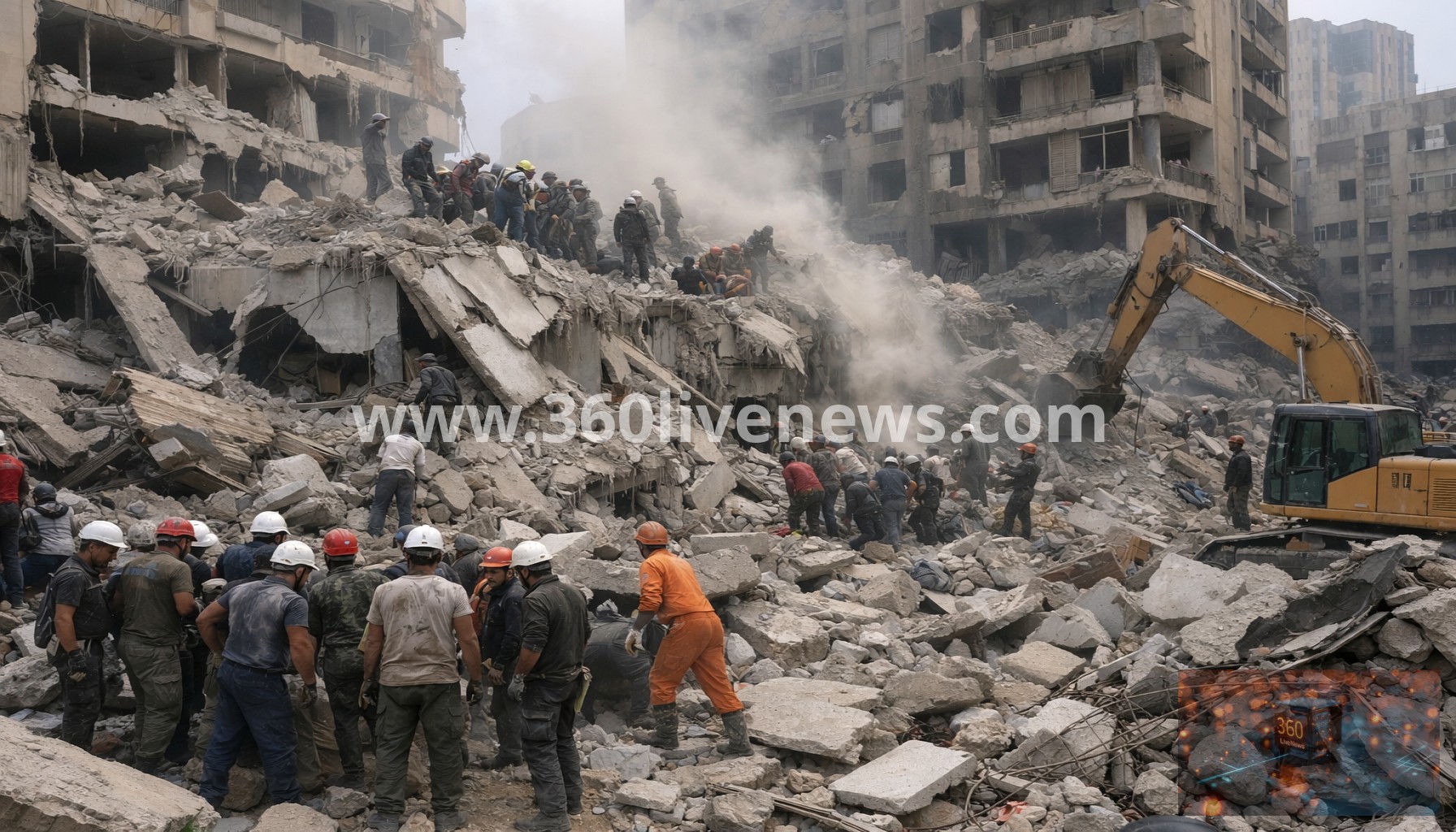
The situation in Beirut continues to worsen following a series of devastating air strikes conducted by Israel. As of this morning, Lebanon's health ministry has confirmed that the death toll has surpassed 300, with ongoing rescue efforts still attempting to locate victims trapped beneath the rubble of collapsed buildings. These air strikes occurred in a residential area, underscoring the tragic impact on civilian life.
Residents of the affected neighborhoods reported that many of the bombing victims had no connection to militant groups, highlighting the profound humanitarian crisis emerging from this latest escalation. Reports indicate that approximately one in ten of those wounded and treated in local hospitals are children, further emphasizing the strikes' toll on vulnerable populations. Emergency services and rescue crews are working tirelessly, yet the situation remains dire as they search for survivors amidst the debris.
The air strikes mark a continued escalation in hostilities that have been flaring in the region. The residential area of Beirut suffered a barrage of attacks lasting about 10 minutes, leading to extensive damage and tragic loss of life. In prior incidents involving military actions in Lebanon, civilian casualties have often overshadowed the intended objectives, raising concerns about international humanitarian law violations.
As the situation escalates, many are questioning the proportionality of these attacks and their alignment with international norms. The Lebanese government has been vocal in condemning these acts, with officials labeling them violations of sovereignty that threaten regional stability. Nations and organizations around the world are closely monitoring the situation, with potential implications for regional diplomacy and security dynamics.
This violent episode is a significant chapter in the ongoing historical conflict in Lebanon, characterized by repeated military engagements and geopolitical confrontations. The legacy of past conflicts, alongside the role of external actors, has shaped the political landscape, complicating any pathways to peace. Lebanon has often found itself in the crosshairs of broader confrontations involving Israel and its allies.
Moreover, the international community’s response is subject to intense scrutiny, particularly regarding the aid and support provided to Lebanon in the aftermath of such devastating attacks. Agencies engaged in humanitarian efforts are mobilizing resources to attend to the immediate needs of the affected populations. The urgency of the situation calls for a coordinated international response to address the humanitarian fallout and prevent further escalation.
The attack comes at a time when broader geopolitical tensions are also at play in the region, including the complicated relationships between Iran, Kuwait, and other Gulf countries. Kuwait has recently accused Iran of perpetrating drone strikes, which further complicates the already fraught regional balance. As conflicts emerge, there is a growing fear that localized violence could ignite a wider confrontation, drawing in outside powers and exacerbating the humanitarian crisis.
Furthermore, the Israeli strikes in Lebanon pose significant implications not just for the immediate safety of Lebanese citizens, but also for long-term diplomatic relations in the region. With Hezbollah's presence in Lebanon and its often adversarial stance towards Israel, any military action directly impacts the broader security architecture of the Middle East. International observers are keenly examining whether such escalations will lead to renewed conflict or if diplomatic avenues can be pursued to de-escalate tensions.
As Lebanon grapples with the immediate aftermath of these devastating strikes, the focus remains on recovery efforts, securing safe passage for victims, and addressing the pressing need for humanitarian aid. The death toll continues to rise as rescue operations proceed, with many families left in turmoil, searching for missing loved ones amidst the wreckage. The true extent of human suffering caused by these military actions will take time to reveal, but the urgency of international attention is crucial at this moment in time.
#Beirut #Israel #Lebanon #Hezbollah #Kuwait #Iran airstrikes">#airstrikes #humanitariancrisis