Hong Kong government announces HK$1.8 billion subsidy for diesel to support transport sector amid rising oil prices
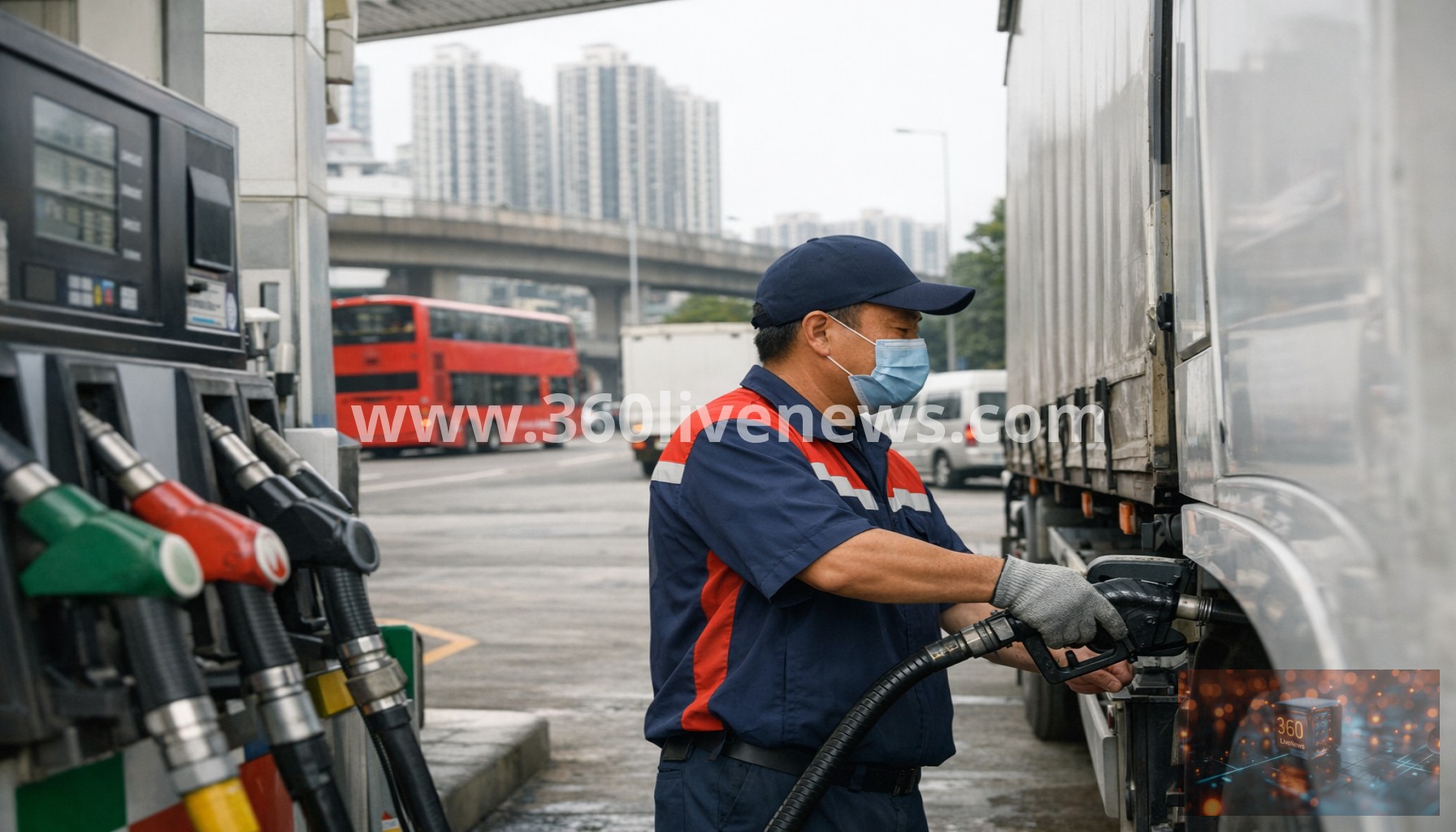
The Hong Kong government has introduced a robust financial relief measure aimed at alleviating the financial strain on the transport sector, which is grappling with unprecedented oil prices. Announced yesterday, the initiative involves a HK$3-per-litre (approximately 38 US cents) subsidy for diesel, totaling an investment of HK$1.8 billion (about US$229.8 million). This measure is intended to counteract the repercussions of escalating oil prices, partly resulting from the ongoing Middle East conflict.
Industry leaders and lawmakers have expressed immediate concerns regarding the potential misuse of this subsidy by petroleum companies. Stanley Tandon Lal Chaing, chairman of the Lok Ma Chau-Hong Kong Freight Association, emphasized the need for vigilant oversight to prevent fuel companies from manipulating discount structures to maximize profits at the expense of independent drivers. Tandon warned that the current fuel pricing disparity could exacerbate the financial burden on individual operators who typically pay considerably higher rates compared to major fleets benefiting from bulk purchase agreements.
As the global oil market continues to fluctuate, primarily influenced by geopolitical tensions, the Hong Kong government's decision to implement this subsidy reflects a broader trend seen in many regions where local authorities are stepping in to cushion the impacts of external economic shocks. The legislative scrutiny of this proposal is set to occur at a meeting of the Legislative Council's Finance Committee.
The subsidy comes in the wake of rising diesel prices, which have surged as various international conflicts destabilize oil supplies. As part of its contingency plans, the Hong Kong administration aims to ensure that transport operators can continue to manage their logistics costs without disruption. This intervention may also be pivotal for the local economy, which relies heavily on its transport sector for moving goods and services across the region.
From a broader perspective, the rapid change in oil dynamics is not simply a local issue but is heavily influenced by ongoing international developments. The escalating conflict in the Middle East, particularly between Israel and neighboring states, has raised global oil prices and may trigger further inflationary pressures on local economies. As the situation remains fluid, the international community is closely monitoring diplomatic efforts to stabilize relations in the region, notably with U.S. Vice President JD Vance heading to Pakistan to facilitate discussions aimed at reinstating a ceasefire.
Meanwhile, the role of regional oil markets is critical to understanding the implications of this subsidy. Oil prices usually respond sensitively to news concerning geopolitical stability, with recent negotiations involving Iranian and American interests suggested to impact worldwide oil dynamics substantially. Prior to these developments, reports indicated that the oil prices had been propped up by speculation regarding negotiations in the Gulf, including crucial talks over the reopening of the strategic Strait of Hormuz, through which a significant percentage of global oil shipments pass.
Experts caution that while the immediate subsidy provides relief, lasting solutions must address the structural weaknesses in the fuel supply chain and monopolistic practices by large oil firms, thereby ensuring fair pricing for all consumers—especially smaller operators. This perspective underscores a fundamental issue within the fuel market that has led to calls for a price-monitoring mechanism, which could provide transparency and fairness to drivers who are otherwise sidelined in the existing framework.
The current fuel price crisis serves not only as a challenge for the Hong Kong transport sector but also highlights a pressing need for sustainable energy policies and innovation in transport solutions that can shield localised economies from the volatilities of global oil markets. Policymakers are encouraged to consider long-term strategic frameworks that align with broader goals of energy independence and environmental sustainability.
As discussions continue and data are scrutinized, stakeholders await the outcomes of the forthcoming Legislative Council meeting which will inform whether additional regulatory measures will be implemented to ensure the continued viability of the transport sector amidst ongoing economic challenges.
#HONGKONG #DieselSubsidy #LegislativeCouncil #FuelPrices #TransportSector #MiddleEast #Geopolitics #EconomicImpact