Ceasefire Agreement Brokered by Pakistan Takes Effect Amid Ongoing Iran-Israel-Lebanon Conflict
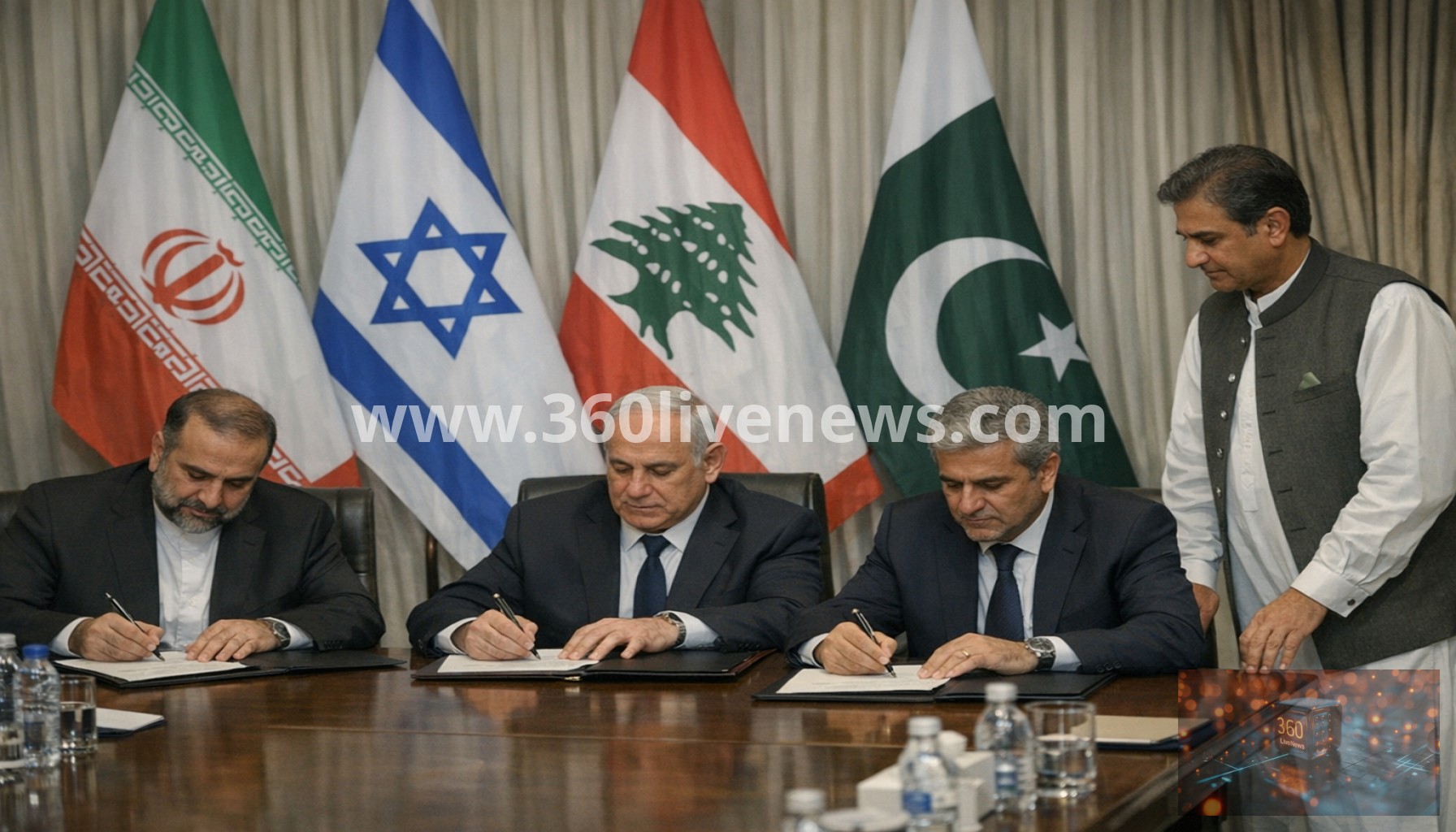
A ceasefire agreement, brokered by Pakistan, has recently taken effect in the ongoing conflict involving Iran, Israel, and Lebanon. The ceasefire aims to provide a respite amid escalating violence, particularly following a devastating day of Israeli airstrikes that resulted in significant casualties in Lebanon. Reports indicate that the strikes killed at least 200 people and injured more than 1,000, prompting outrage and further complicating the fragile diplomatic situation.
Responding to the ceasefire, Israeli Prime Minister Benjamin Netanyahu has instructed his officials to initiate direct negotiations with Lebanon. This move highlights a strategic shift as Netanyahu addresses calls from Beirut to ease tensions, despite the recent violence. The ceasefire has created a complicated backdrop, as Iran's President Masoud Pezeshkian condemned the Israeli strikes, asserting that they violate the terms of the ceasefire and threaten to derail ongoing discussions between the involved parties.
The situation in Lebanon has reached a critical juncture, exemplified by the declaration of a day of mourning for the lives lost during the airstrikes. Lebanon's leadership continues to grapple with the fallout, emphasizing the humanitarian implications of renewed violence. The government's response indicates an urgency to stabilize the situation amid external pressures, notably from Iran, which remains steadfast in its support for its neighbor and allies in the region.
With the US-Iran ceasefire now in effect, comments from US President Donald Trump reveal America's stance on the continued presence of US forces in the region. Trump stated that American troops would persist near Iran until a "real agreement" is finalized, asserting that further conflict is a possibility if diplomatic resolutions do not progress. His comments reference the precarious nature of regional peace and the interlinked relationships between the involved nations.
Ongoing diplomatic efforts remain crucial, with UN chief’s envoy Jean Arnault actively engaged in talks with Iranian officials to assess the impact of the strikes. There is an expectation for Arnault to extend his diplomatic outreach, potentially navigating discussions in Pakistan to reinforce regional stability. This engagement highlights the international community's growing concern over escalating violence and the urgent need for sustained dialogue.
Historically, the relationship between Iran, Israel, and Lebanon has been fraught with conflict, often revolving around issues of territorial integrity, governance, and external influence. The latest developments reflect the longstanding tensions that have characterized the region, particularly the role of external actors like the US and Pakistan in mediating conflict. The intricate dynamics among these players complicate the path toward lasting peace.
This latest flare-up is symptomatic of broader geopolitical tensions in the Middle East, where proxy conflicts often play out between regional powers. Malaysia's potential economic losses from an extended work-from-home policy add another layer of complexity, indicating how domestic policies can ripple out and affect international relations, illustrating the interconnected nature of global events.
The implications of these events call into question the efficacy of ceasefires in volatile environments, as agreements often hinge on the willingness of all parties to adhere to negotiated terms. The fragility of the current ceasefire emphasizes the necessity for sustained diplomatic engagement and the potential for escalated violence should dialogue falter. As this situation unfolds, the need for cautious observation and proactive diplomatic strategies is apparent.
#Iran #Israel #Lebanon Ceasefire">#Ceasefire #MiddleEast #USPresident #Pakistan #UN