Russia and Ukraine agree to 32-hour ceasefire for Orthodox Easter holiday
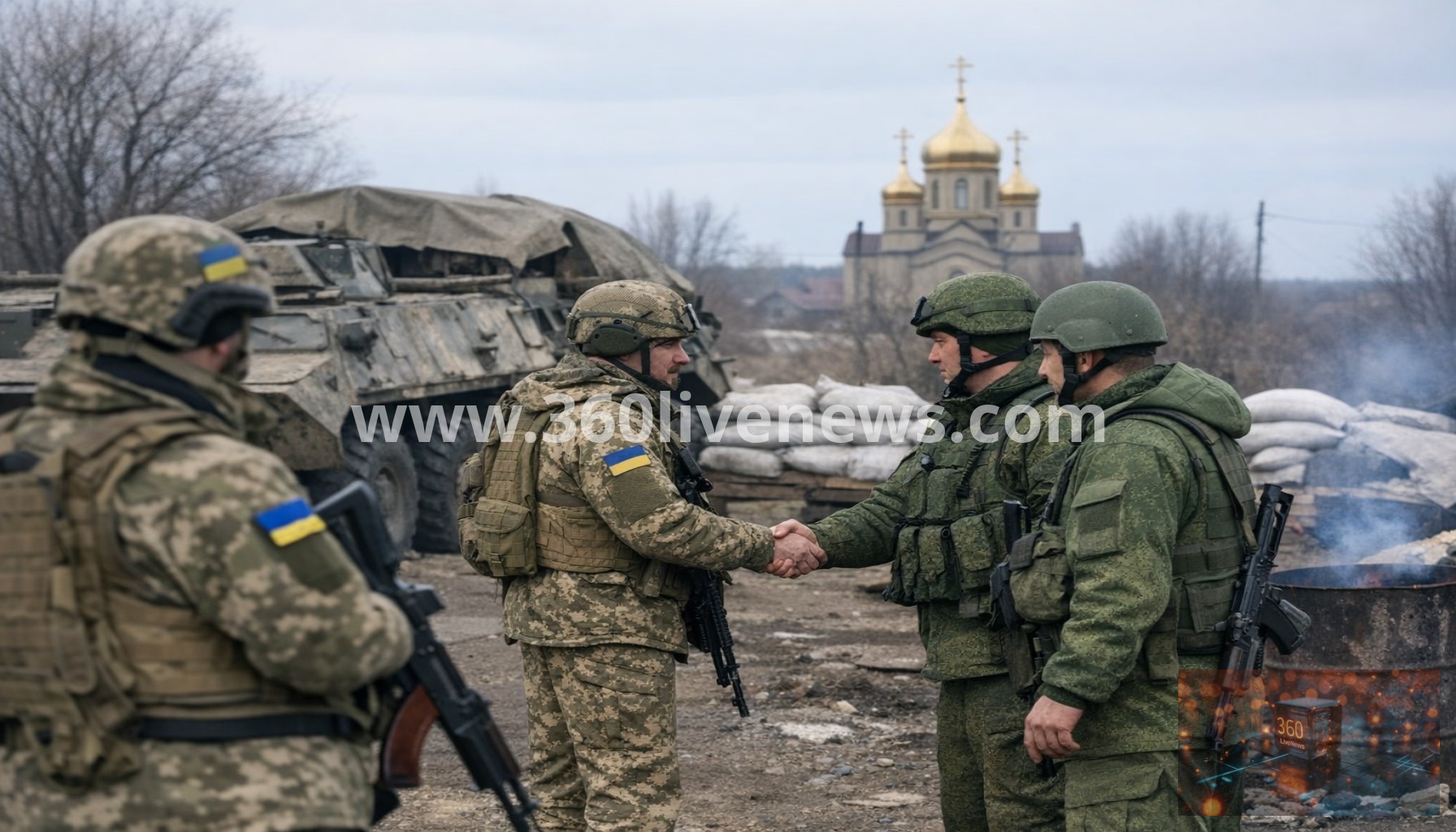
In a significant development amid ongoing tensions, Russia and Ukraine have agreed to a temporary ceasefire lasting 32 hours for the Orthodox Easter holiday. Russian President Vladimir Putin announced the truce, and Ukrainian President Volodymyr Zelenskyy has confirmed that Ukraine will honour this ceasefire. According to the Kremlin's statement, the ceasefire will commence at 4 PM Moscow time (13:00 GMT) on Saturday and conclude at midnight on Sunday, coinciding with Easter celebrations observed in both nations.
The Kremlin specified that this temporary halt in hostilities is part of an effort to demonstrate goodwill during a period traditionally marked by religious observance. Defence Minister Andrei Belousov has further instructed Chief of the General Staff Valery Gerasimov to ensure that military operations are paused during this time. However, the Kremlin cautioned that Russian military forces would be prepared to respond should any violations of the ceasefire occur, indicating ongoing tensions just beneath the surface of these diplomatic efforts.
This ceasefire arrives at a time when the conflict has escalated, prompting concerns over rising military activity along the fronts. The international community has been observing the situation closely, especially as previous ceasefire arrangements have often been brief and fraught with complications. Previous incidents have shown that while both sides may agree to pause hostilities, incidents of violence can still occur, undermining the effectiveness of such agreements and raising doubts about both countries' commitment to peace.
Historically, the conflict between Russia and Ukraine has resulted in significant casualties. The ongoing war, which erupted after Russia's annexation of Crimea, has claimed thousands of lives and displaced millions. According to United Nations reports, the conflict has led to over 13,000 confirmed deaths and many more injured since it began. This latest ceasefire is viewed by many as an attempt to alleviate some of the pressures faced by both governments while allowing civilians time for religious observance during the Easter season, which holds considerable significance in both nations.
In elaborating on the broader geopolitical implications, the truce might influence diplomatic engagements between Russia and Western nations. The ceasefire could offer a rare opportunity for negotiations that have been stalled for months. Key international players, including the European Union and the United States, have consistently advocated for a stable resolution to the conflict, as the ongoing hostilities have broader consequences for regional security and international relations. The successful implementation of this ceasefire could ease some tensions and create an opening for renewed dialogue.
Elaborating on the internal context, President Zelenskyy faces immense pressure domestically and internationally as the conflict continues to weigh heavily on Ukraine's economy and civil stability. Despite the promise of a ceasefire, fundamental issues remain unresolved, including territorial integrity, security arrangements, and human rights abuses reported throughout the conflict. Analysts suggest that a fragile peace could potentially allow for limited rebuilding efforts in the devastated areas, though serious concerns about continued military aggressions linger.
Meanwhile, Russia's internal dynamics also play a role in this ceasefire. With ongoing domestic challenges, including economic pressures exacerbated by international sanctions imposed due to its military actions, the Kremlin may see the ceasefire as a needed reprieve, hoping to quell dissent and bolster nationalist sentiments. The announced ceasefire might be strategically utilized to foster a narrative of benevolence during a critical religious holiday while maintaining the military's readiness for future operations.
This ceasefire represents a crucial point in a protracted conflict characterized by shifting power dynamics, the interplay of domestic politics, and international pressure. Analysts warn that while the ceasefire is an essential short-term measure, the underlying issues fueling the conflict are far from resolved. Both parties must navigate the complexities of their respective internal and external pressures to establish a meaningful path forward.
Furthermore, the ceasefire could also affect humanitarian efforts in the region. Access to affected civilian areas may improve temporarily, allowing for the delivery of essential supplies and support to millions of people adversely impacted by the ongoing warfare. Humanitarian agencies have been vocal in their calls for regular pauses in combat operations to facilitate aid deliveries, and this ceasefire aligns closely with those needs.
As the ceasefire approaches, the international community awaits practical outcomes from this pivotal moment, eager to see whether it reflects a genuine commitment to peace or simply another pause in a prolonged conflict. The situation remains fluid, and both nations must be monitored closely in the lead-up to the ceasefire as the possibility for renewed fighting persists through this religious observance.
#Russia #Ukraine #OrthodoxEaster #VladimirPutin #VolodymyrZelenskyy #ValeryGerasimov #Ceasefire #UN