Israeli restaurant in Munich targeted in suspected antisemitic attack amid rising tensions in Europe
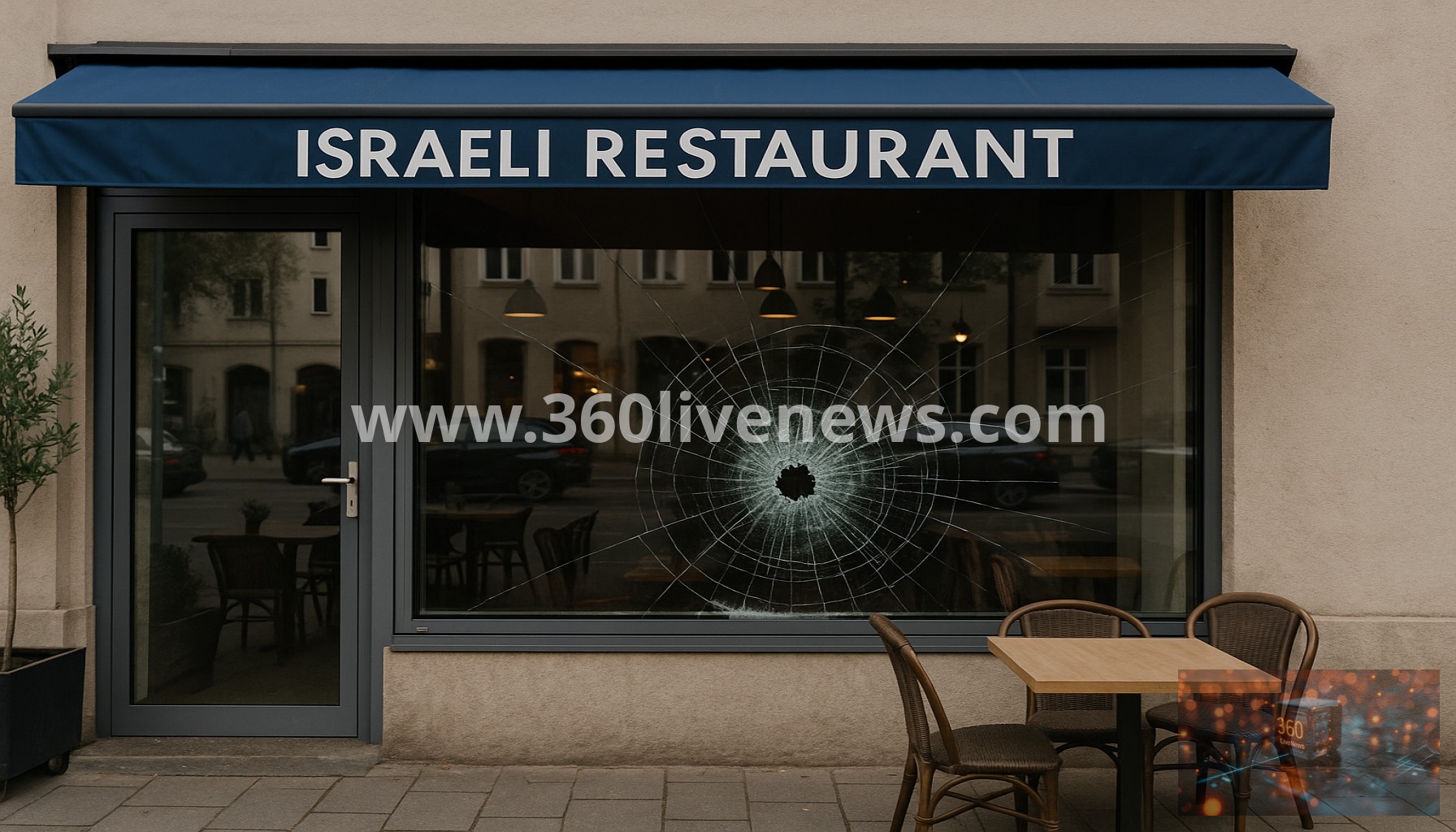
In a troubling incident that highlights the ongoing tensions related to antisemitism, an Israeli restaurant in Munich was reportedly targeted in a suspected attack. The incident comes amid rising concerns over antisemitic sentiments not just in Germany but across Europe. Details surrounding the attack, which occurred recently, have not been fully disclosed, but reports indicate that the restaurant, which serves traditional Israeli cuisine, was deliberately vandalized.
Eyewitness accounts describe broken windows and graffiti containing inflammatory messages directed towards the Jewish community. Local police have initiated an investigation into the attack, while police spokespersons have emphasized the seriousness of this alleged hate crime. A spokesperson stated, "We are treating this incident with the utmost concern and are actively pursuing all leads." This incident marks a concerning escalation amidst an already challenging environment for Jewish communities in Europe.
Germany has seen a significant uptick in antisemitic incidents, particularly in urban areas with larger immigrant populations. This rise has prompted the German government to adopt stricter policies aimed at curbing hate crimes and reinforcing the security measures around Jewish institutions across the country. Berlin, a city with a complex historical relationship with its Jewish population, has seen multiple anti-Jewish incidents in recent months, leading to significant public discussions regarding the efficacy of current strategies against antisemitism.
In parallel, the unfolding situation in Israel also reflects a tense geopolitical landscape which intersects with local events in Europe. Recently, Israeli military operations targeting Hezbollah positions in Lebanon have raised further alarm, particularly regarding the implications for civilian infrastructure and humanitarian access. Israeli military officials claimed that Hezbollah is reportedly using ambulances for military purposes, which has compounded concerns about the impact of military actions on the Lebanese healthcare system.
Hezbollah's alleged military use of ambulances has drawn statements of condemnation from Israel, suggesting that military operations could continue to threaten the healthcare infrastructure in Lebanon, where many civilians rely on the already stretched health services. This development comes amidst a broader context of military engagements in the region, raising human rights concerns among various international organizations.
Israel's operational strategy is currently under scrutiny, especially concerning the implications for civilian safety. Humanitarian advocacy groups have warned that targeting locations used by military units, such as ambulances, could constitute violations of international law. As the situation evolves, it is critical for both international agencies and local governments to prevent civil casualties and ensure access to healthcare for affected populations in Lebanon.
The backdrop of these incidents in Germany and Lebanon contributes to a broader theme of anti-Jewish sentiment and ethnic tensions across Europe and the Middle East. Recently, various human rights reports have documented an increase in hate crimes directed against Jews throughout Europe, with the Jewish community urging authorities to take more decisive actions against this growing menace. Leaders from the Jewish community in Munich have stated that they fear for their safety in public spaces, leading to calls for enhanced protective measures.
This recent attack on the Israeli restaurant not only serves as a reminder of the precarious situation for Jews in Europe, but also highlights the intertwined nature of domestic and international tensions. Various Jewish associations in Germany have urged the government to ramp up its protective protocols, as public incidents of antisemitism continue to affect social cohesion within the country. The response from both local leaders and the general public will be critical in establishing a sense of safety and trust within these communities moving forward.
The intersection of events in Israel and antisemitic incidents in Europe also invokes a discussion around the geopolitical implications of military actions in the Middle East. With tensions flaring between Israel and Lebanon, responses from European countries regarding their domestic antisemitism may further be tested. This complex relationship is pivotal in understanding the broader implications of policy decisions made on both sides of the Mediterranean.
As investigations into the incident in Munich continue, the urgent need for actionable measures against rising antisemitism becomes increasingly clear. German authorities are faced with the dual challenge of addressing domestic hate crimes while navigating evolving geopolitics that influence public sentiment and community relations toward the Jewish population. In addressing these growing challenges, both local communities and governments will need to collaborate actively to ensure the security and rights of vulnerable populations.
#Israel #Lebanon #Munich #antisemitism #Hezbollah Jewish_community">#JewishCommunity human_rights">#humanRights #Berlin Hate_Crime">#HateCrime Healthcare">#Healthcare European_Union">#EuropeanUnion International_Law">#InternationalLaw