Putin announces unilateral ceasefire in Ukraine coinciding with Orthodox Easter celebrations
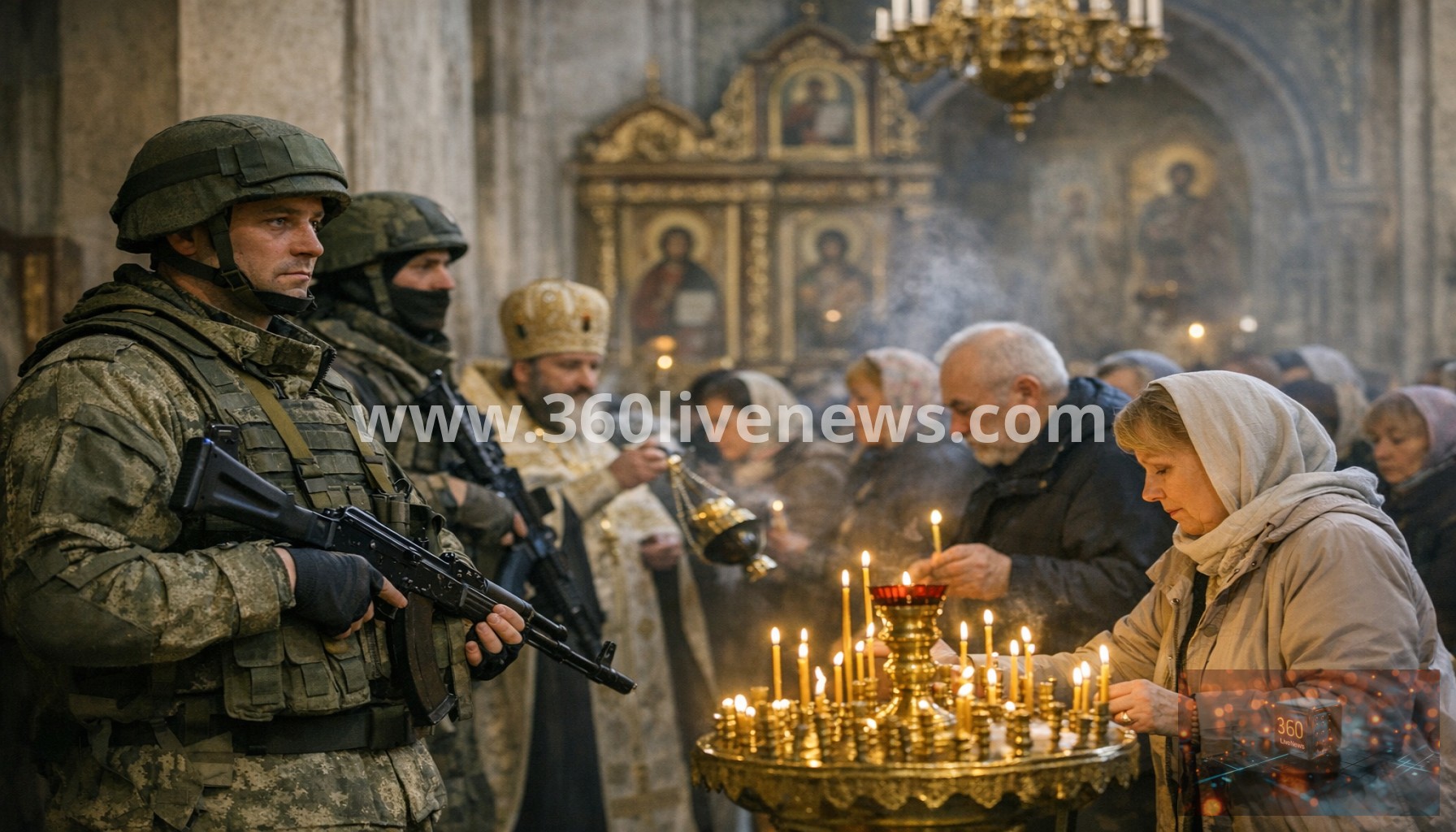
Russian President Vladimir Putin has announced a unilateral ceasefire scheduled to begin on Saturday at 16:00 and conclude on Sunday at midnight, coinciding with Orthodox Easter celebrations. This announcement marks an escalation in the complex dynamics of the ongoing conflict in Ukraine, following a rejected ceasefire proposal from Ukraine ahead of the holiday. Putin's move is interpreted as a strategic decision, intended to assert Russia's control over the timing of peace efforts. The ceasefire is aimed at creating a short pause in fighting, though skepticism remains regarding its potential effectiveness.
The new ceasefire declaration comes amidst a backdrop of continuous conflict, with both sides sustaining military operations and aggressive postures. Ukrainian soldier Stanislav Bunyatov confirmed that enemy units were ordered to prepare for a ceasefire, though the Ukrainian army remains vigilant, ready to "thwart provocations," as highlighted by communications from a Russian Telegram channel. This dynamic illustrates the complications inherent in initiating a ceasefire during a protracted and heated conflict.
Putin's historical timing for ceasefires reflects a broader pattern of behavior, wherein he often leverages significant dates such as public holidays to exhibit political leverage and decision-making authority. Analysts suggest that the unilateral nature of this ceasefire announcement showcases an attempt to frame Russia as a peacemaker while the conflict continues, essentially elevating Putin's image domestically and internationally amid ongoing pressure.
In the lead-up to the ceasefire announcement, Ukraine had sought a cessation of hostilities for Easter, aligning the request with cultural and religious sentiments prevalent in the region. Russia's prior refusal to engage in a ceasefire at this time underscores the complexities of diplomatic interactions and the overarching military strategies at play. The conflicting narratives surrounding ceasefires highlight the difficulties both nations face in establishing trust and initiating genuine dialogue for resolution.
The situation on the ground remains tense, with both sides engaged in active military operations despite the announced ceasefire. Reports indicate there is profound skepticism among Ukrainian forces about the likelihood of a significant halt in hostilities during this brief religious observance. The potential for renewed fighting immediately following the ceasefire window illustrates the fragility of the situation, with each side maintaining readiness for conflict.
Institutionally, the ceasefire announced by Putin underscores the importance of recognizing the broader geopolitical frameworks surrounding the conflict. The responses from both Ukraine and Russia indicate that, while ceasefires may create temporary pauses, they do not eliminate long-standing tensions and grievances. International bodies, including the United Nations, observe with caution, aware that real progress in conflict resolution necessitates more than intermittent pauses but rather constructive dialogue facilitated by external actors.
The implications of this ceasefire announcement extend beyond immediate military considerations. The ongoing conflict has ramifications for international relations, particularly for countries that share borders with both Ukraine and Russia. Economic sanctions imposed by various nations against Russia further complicate the geopolitical landscape, introducing layers of economic strategy intertwined with military posturing. These sanctions, along with the constant military engagement, serve to exacerbate tensions and hinder meaningful negotiations.
In light of these developments, the ceasefire presents an opportunity for confidence-building measures yet remains starkly overshadowed by the unpredictability of military strategy on both sides. As observers monitor the situation closely, the international community remains alert to shifts in aggression or renewed calls for de-escalation efforts. The strategic maneuvers surrounding this ceasefire serve as both a reflection of entrenched positions and a potential touchstone for either escalation or the slow burn of negotiations.
As the clock ticks closer to the initial ceasefire timeline, it will become evident whether this pause in hostilities is leveraged for genuine intent or merely serves as a strategic pause for regrouping military efforts. The situation continues to be fluid, leaving both local populations and international analysts bracing for developments in the Ukraine conflict. The wider implications of this ceasefire and its aftermath will likely contribute significantly to the ongoing narrative of the war and its resolution.
#Russia #Ukraine #Putin #EasterCeasefire #MilitaryStrategy #UN #GeopoliticalTensions #ConflictResolution