Israel's airstrikes on residential areas of Beirut raise concerns over civilian casualties and regional geopolitical implications
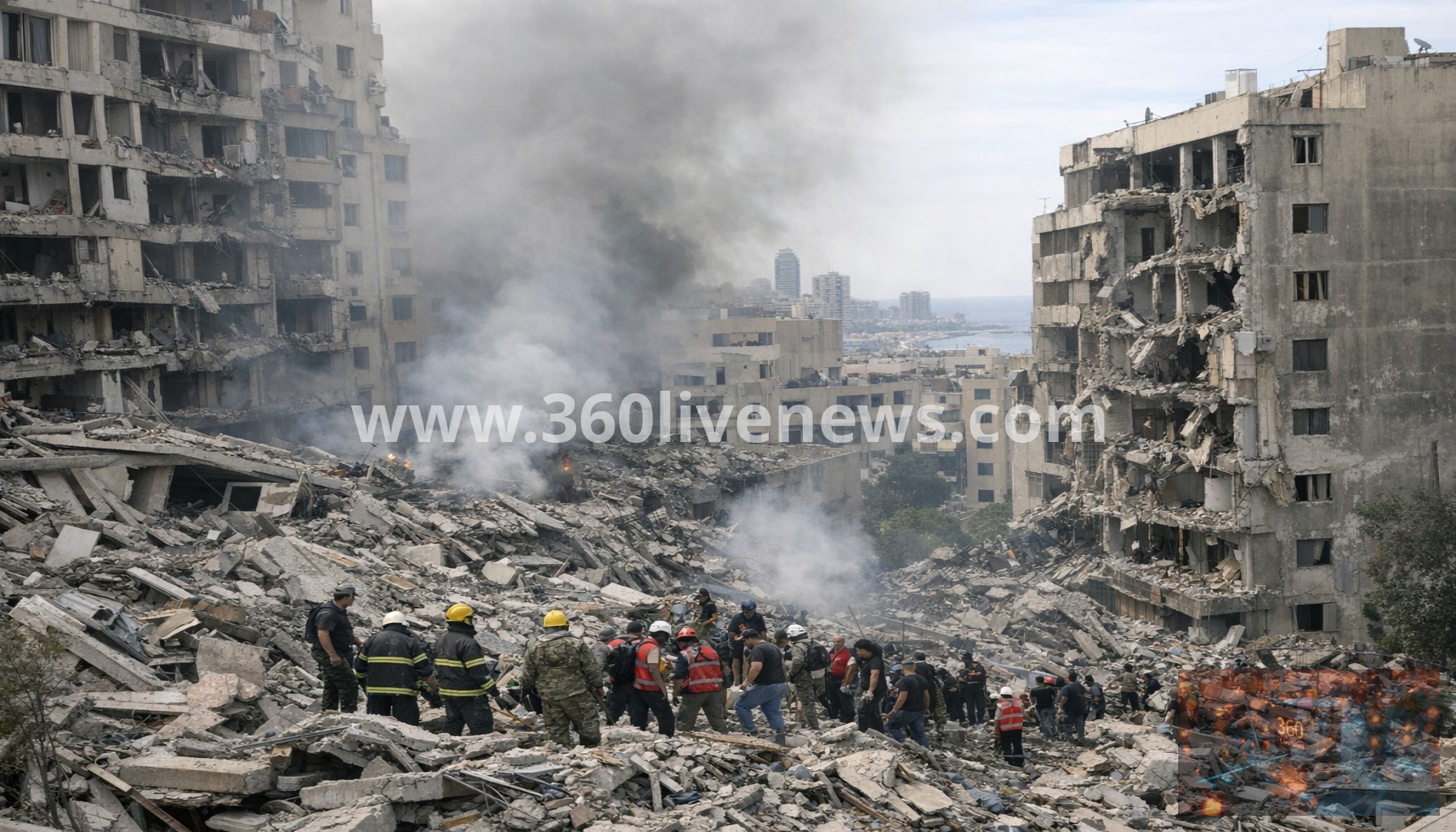
The ongoing airstrikes by Israel on residential areas of Beirut are raising significant concern among local and international observers due to their indiscriminate nature. Reports indicate that these strikes, described by some experts as indiscriminate violence, are not merely focused operations targeting Hezbollah but rather encompass wider civilian areas, leading to increasing casualties among non-combatants. This situation represents a critical moment that could influence Lebanese public perception regarding Israel's long-standing role in regional geopolitics.
According to Dr. Randa Slim, a prominent figure at the Middle East Institute and a Fellow at the Johns Hopkins University School of Advanced International Studies, the consequences of these airstrikes extend well beyond immediate military objectives. The violence is polarizing public sentiment in Lebanon, as it amplifies fears of Israel as an adversary in the minds of many Lebanese citizens. Casualty figures from recent strikes remain unverified in some reports, but eyewitness accounts suggest a notable rise in injuries and fatalities.
The airstrikes follow a pattern of military actions that have historically involved Lebanon's Hezbollah, a group that has engaged in numerous conflicts with Israel. However, as Dr. Slim points out, framing these strikes solely as tactical operations against Hezbollah fails to account for the broader humanitarian impacts emerging within urban centers. The strikes have reportedly caused destruction in densely populated districts, amplifying calls for international accountability regarding military conduct.
In a parallel context, French President Emmanuel Macron is reaching out diplomatically to address Middle Eastern tensions. In a notable meeting with Pope Leo XIV at the Vatican, Macron presented a French national basketball team jersey, emphasizing a cultural connection while also engaging in discussions about instabilities in the Middle East. The French government has been known to maintain a historically complex relationship with Lebanon, having exerted influence in the region since its colonial past. Macron's diplomatic overtures may potentially provide avenues for alleviating tensions following escalations like those currently seen in Beirut.
Lebanon's current situation can also be viewed through the lens of its fraught internal dynamics. The legacy of civil conflict and external interventions has shaped a national context that is sensitive to military aggression. Observers note that public tolerance towards military action from Israel may further harden as civilian casualties mount. This situation demands ongoing attention from international bodies, especially given the potential for wider regional implications involving neighbouring states and international regulatory mechanisms.
Security analysts are assessing the implications of these airstrikes not only for Lebanon but for the wider Middle Eastern landscape. The airstrikes could provoke retaliatory measures from Hezbollah or other factions, which may lead to escalated military engagements across borders. With regard to Israel, maintaining a balance between military objectives and international diplomatic relations remains a critical strategic challenge. Each engagement has the potential to reshape public sentiment and political relations in complex ways.
Dr. Slim’s assessment, combined with the broader implications arising from Macron's diplomatic engagements, highlights the intricate realities of Middle Eastern geopolitics. Experts suggest that addressing the root causes of conflicts involves not only military considerations but also extensive dialogue and political maneuvering at both local and international levels. The relevance of historical grievances in shaping current events cannot be overstated, as Lebanon continues to grapple with the legacy of foreign interventions.
In this context, the escalation of violence in Beirut sheds light on the difficulties in achieving long-term stability. Humanitarian organizations continue to call for a cease to hostilities in residential zones, urging that military operations consider the protection of civilians as a paramount concern. The unfolding events illustrate not only the persistence of longstanding conflicts but also the urgent need for effective international intervention to foster dialogue and peacekeeping efforts in volatile regions.
As the situation develops, the scrutiny of military strategies from state actors and armed groups alike will only intensify. The international community's response, particularly in terms of humanitarian assistance and diplomatic engagement, remains crucial in determining how Lebanon navigates this perilous juncture. A unified global stance against indiscriminate military actions could foster conditions more conducive to peace and stability, reinforcing the principles of sovereignty and civilian protection.
#Lebanon #Israel #airstrikes #Beirut #Hezbollah #Macron #Middle_East #humanitarian_crisis